Digital Learning
The Uncertain Space
Pioneering Museum-First Virtual Exhibition
Challenge
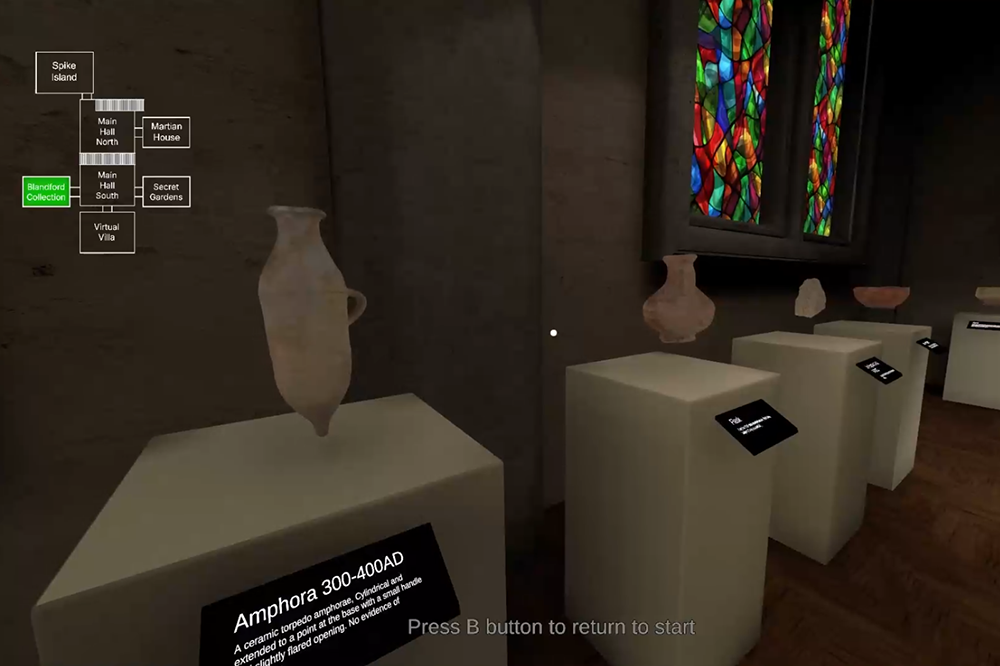
The University of Bristol required a pioneering virtual museum functioning as museum first and virtual environment second. Digital representations of artefacts from library and special collections needed showcasing, bringing diverse materials into unified interactive environment maintaining museum-quality presentation standards across multiple platforms.

Solution
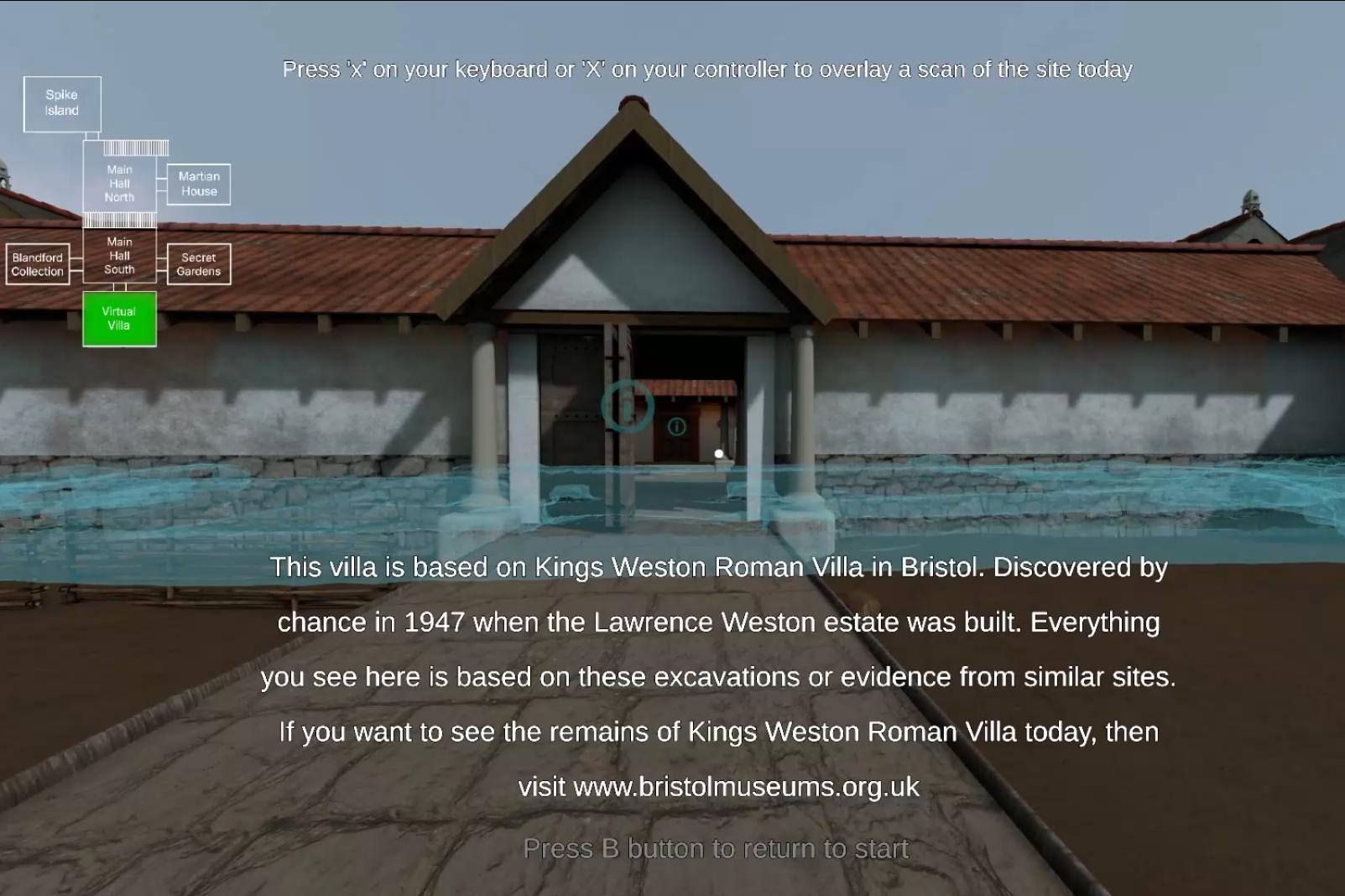
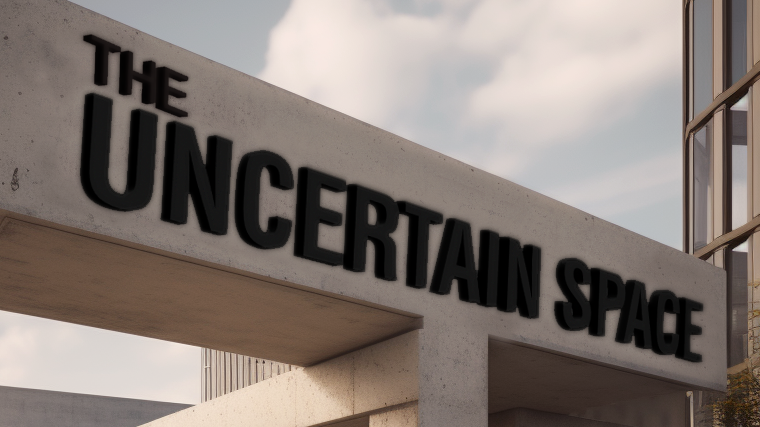
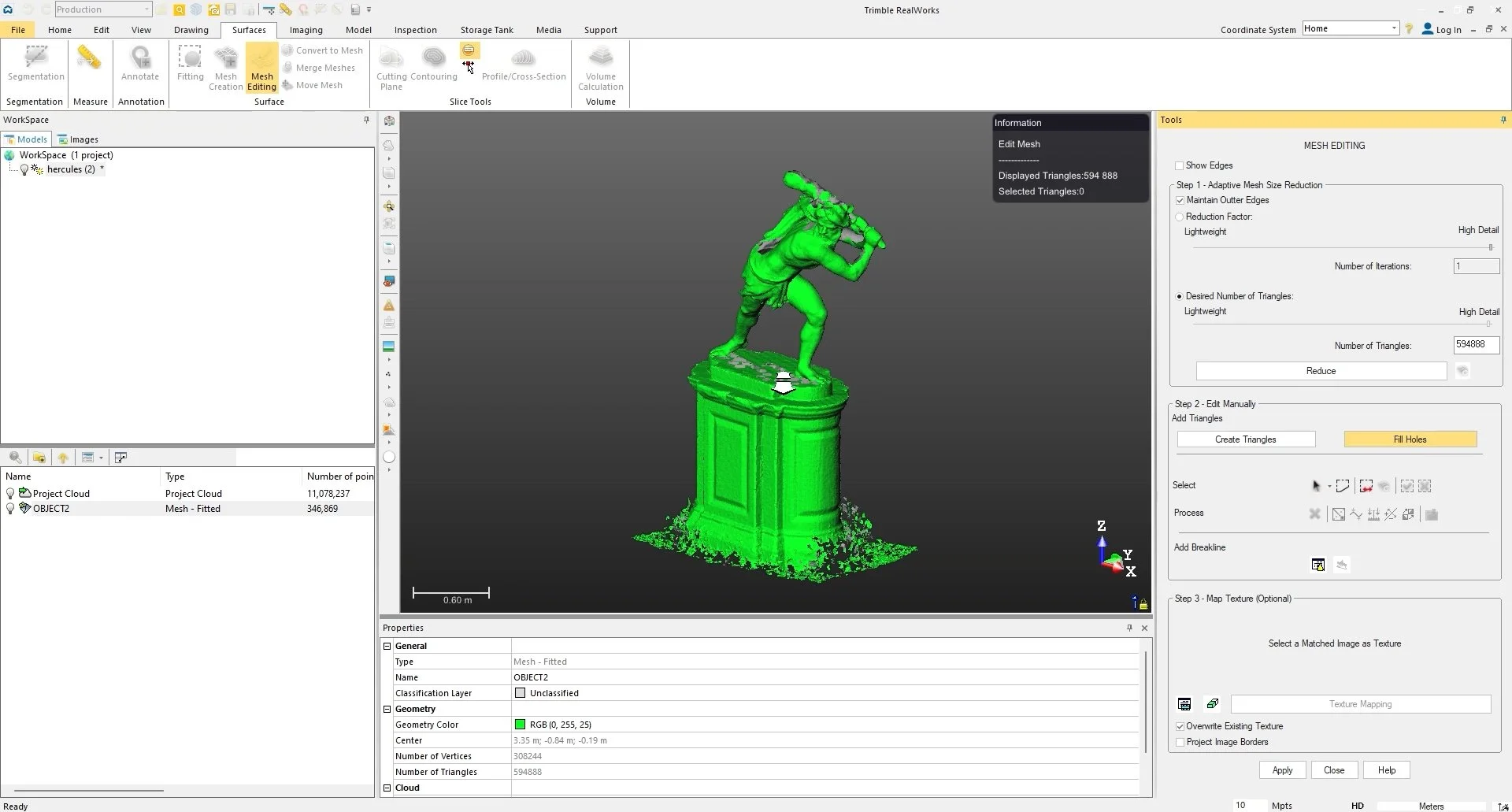
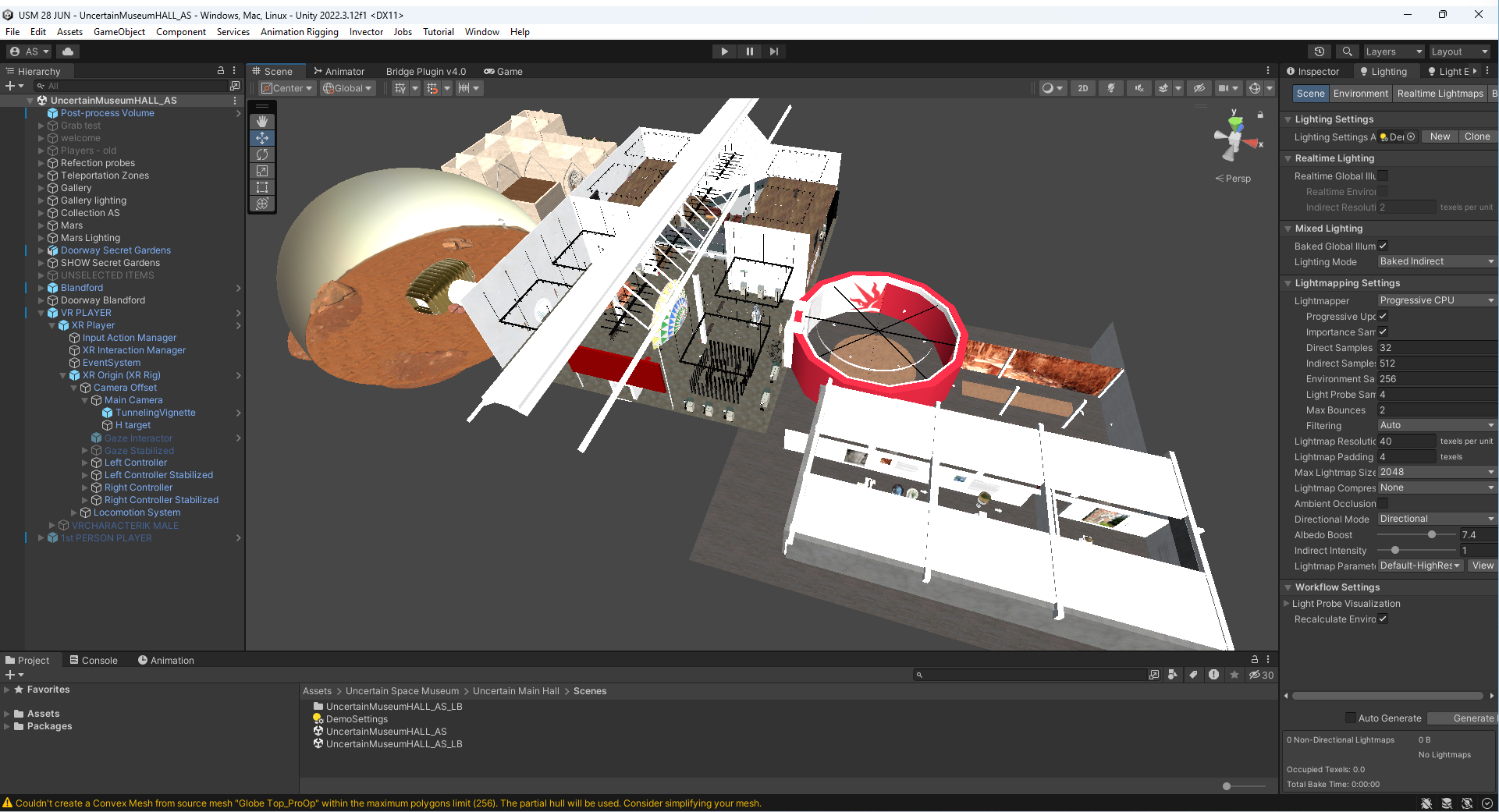
Comprehensive digital assets were created through 3ds Max modelling, Reality Capture and Agisoft Metashape photogrammetry, and Artec Studio with RealWorks 3D scanning. Assets were integrated into Unity, creating environment prioritising curatorial principles, designed for WebGL browser access, PC exploration, and VR via Meta Quest 2/3.
Outcome
The Uncertain Space successfully established new virtual museum paradigm, demonstrating digital environments could prioritise curatorial excellence whilst embracing technological capabilities. Multi-platform deployment ensured accessibility across contexts. The work established methodologies for future digital heritage projects balancing innovation with museum practice requirements.




Copyright: University of Bristol
360 Campus Tour
Transforming Static Virtual Tours into Interactive Learning Experiences
Challenge
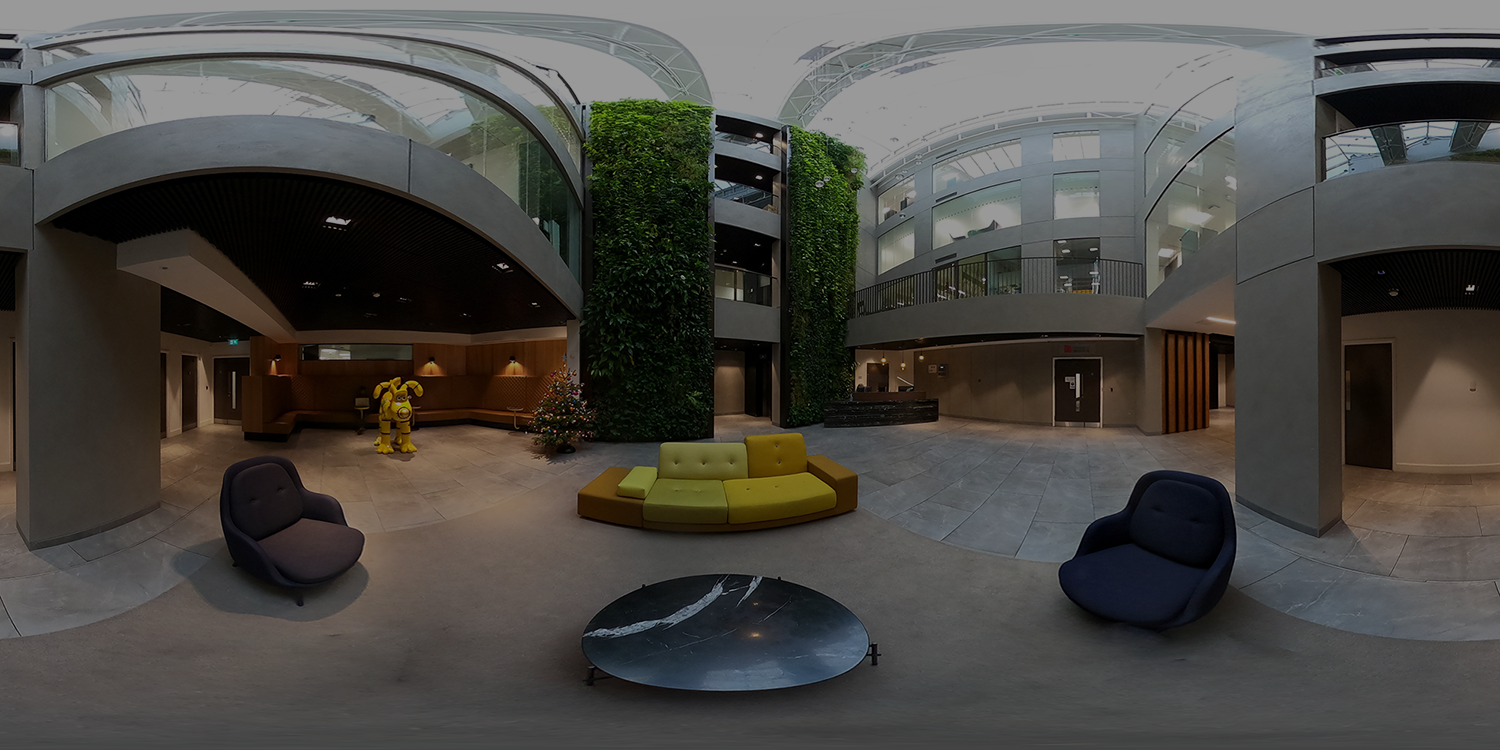
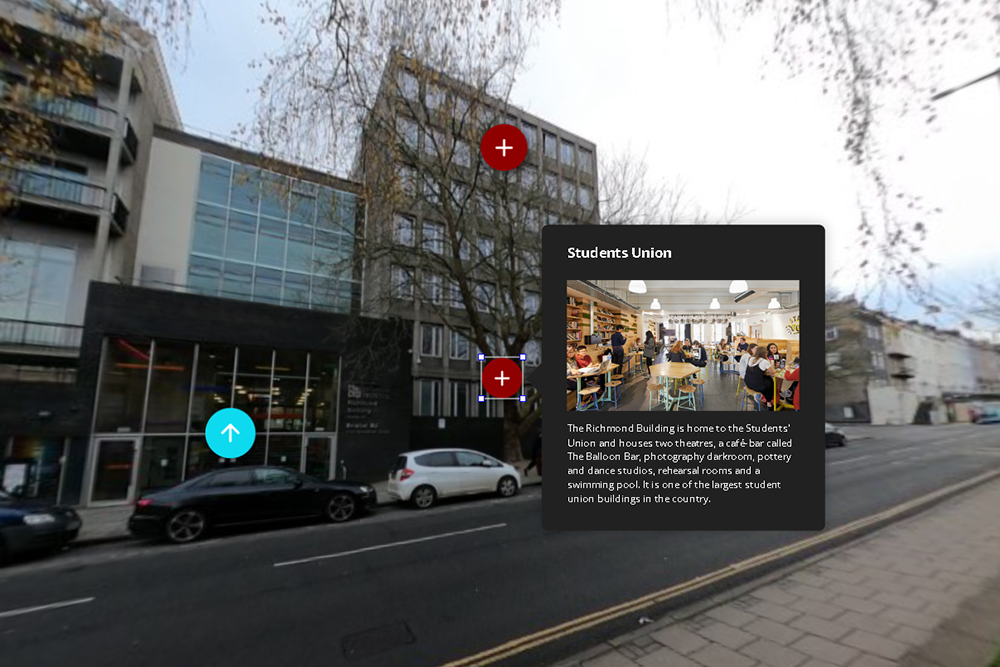
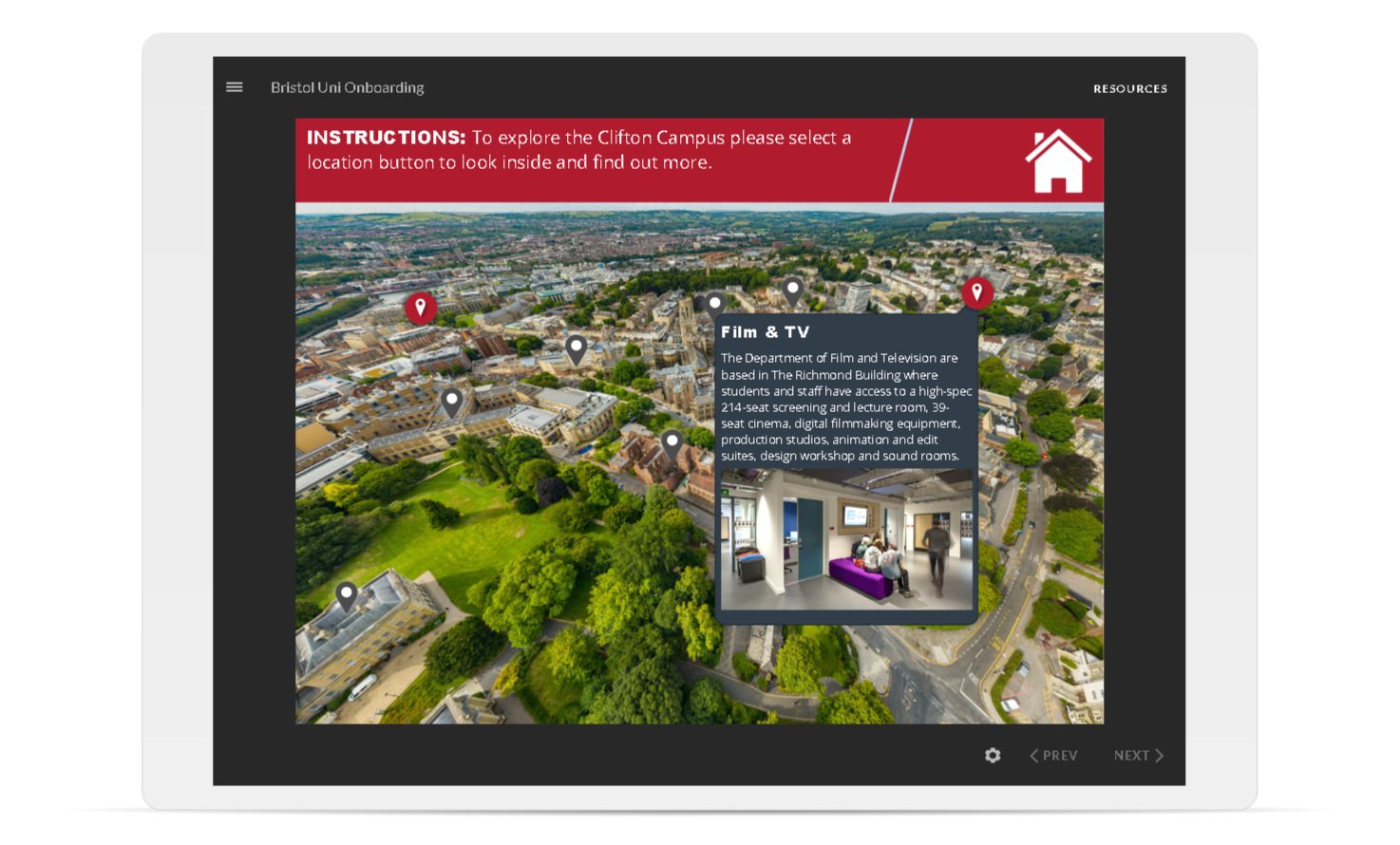
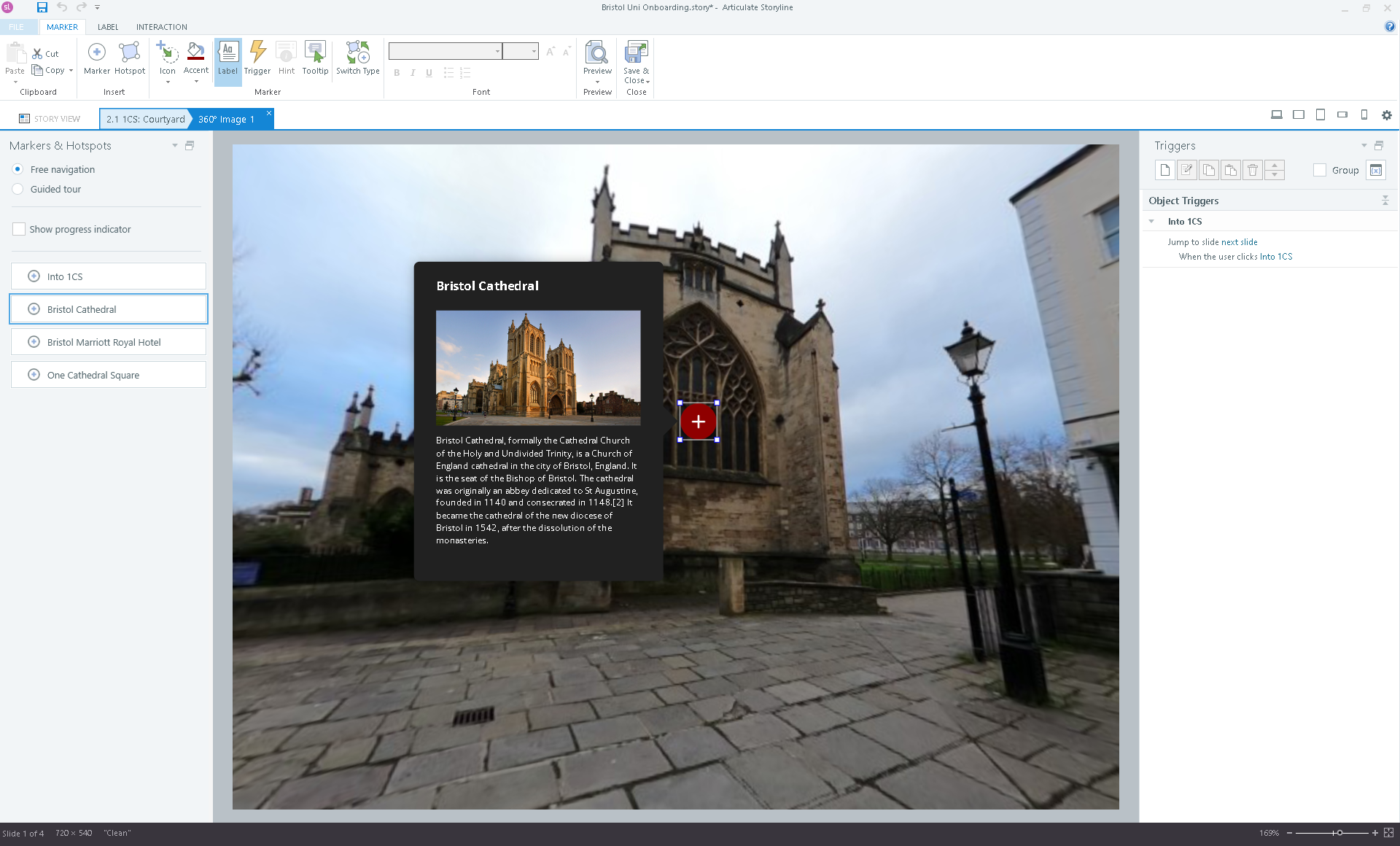
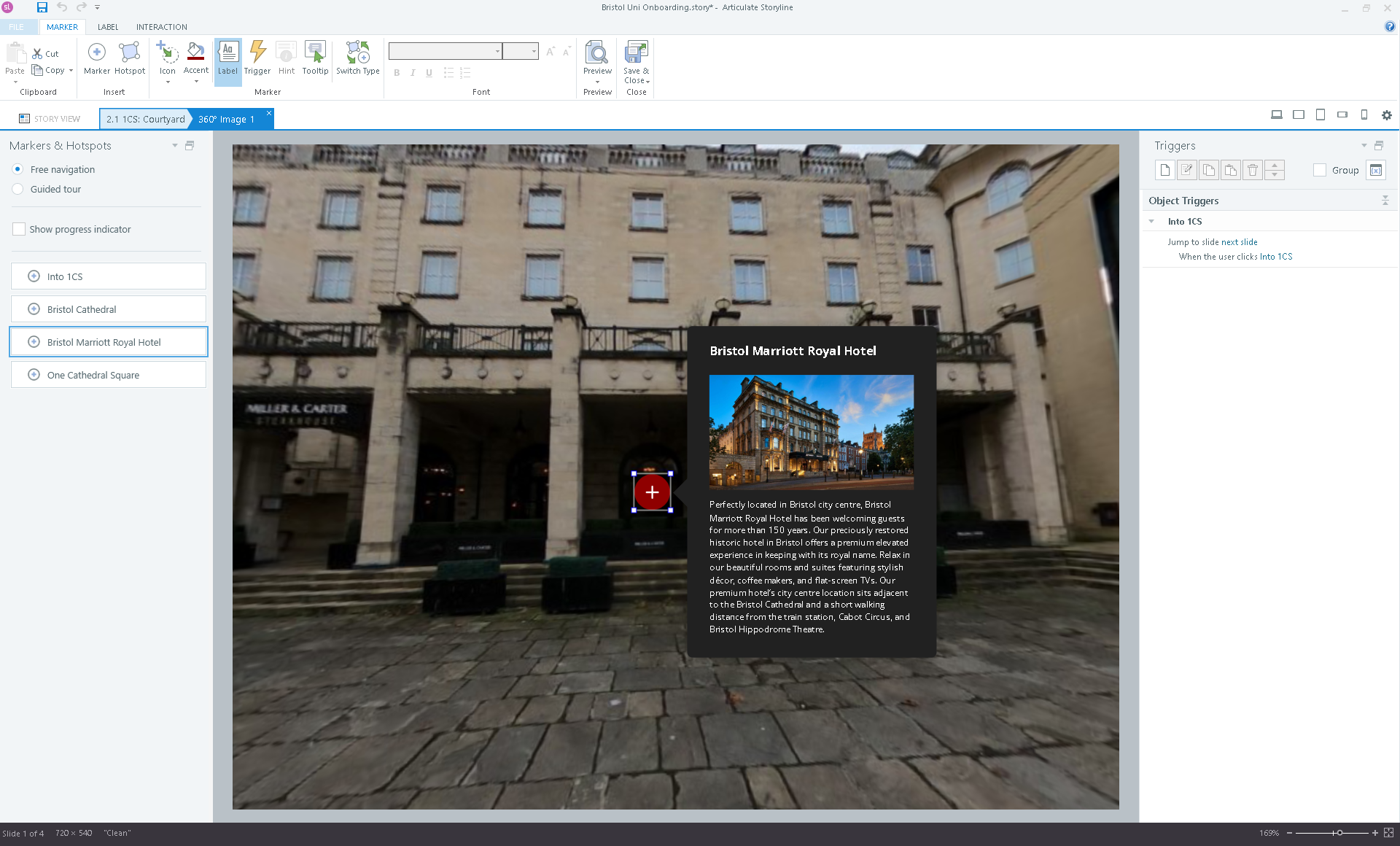
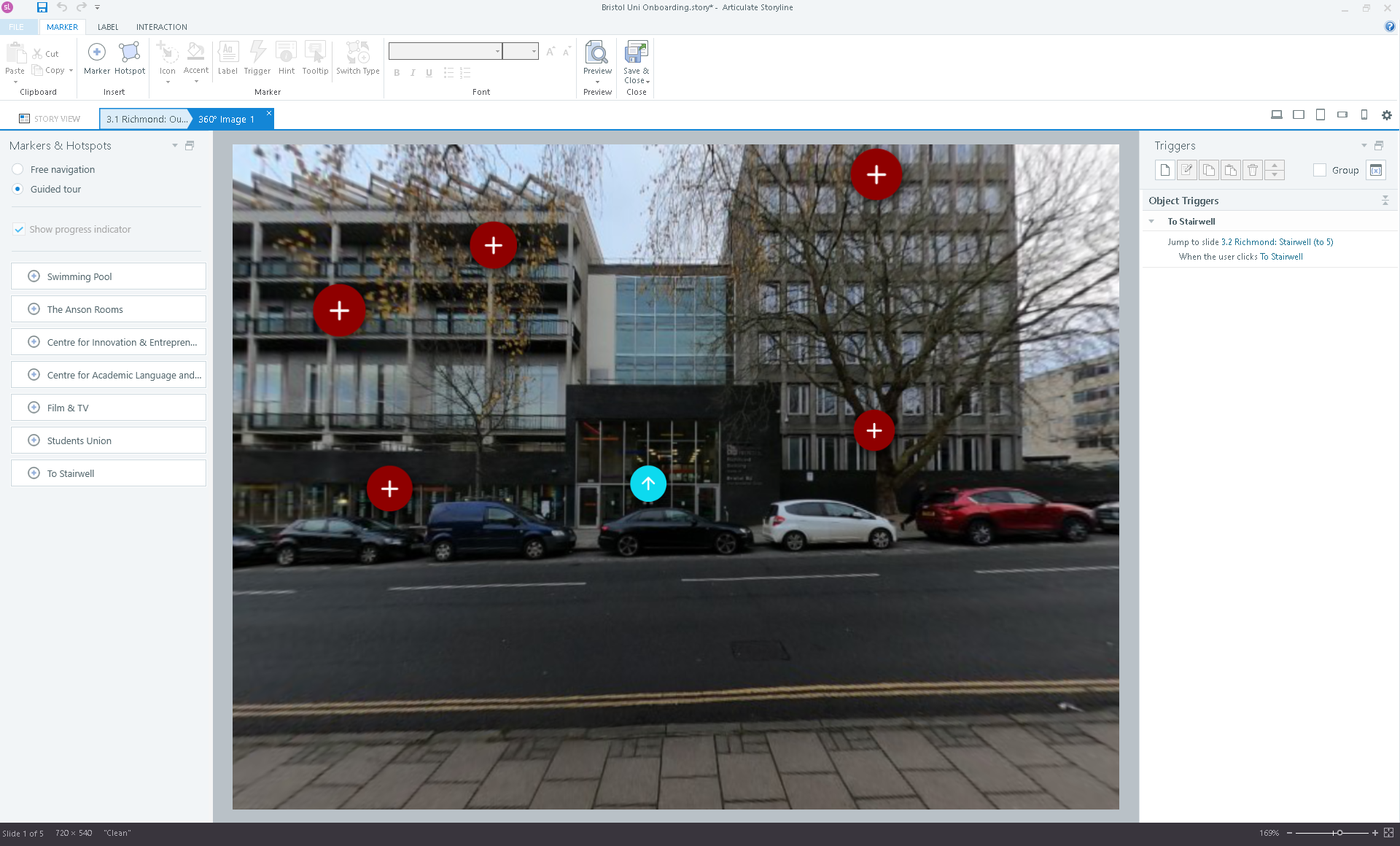
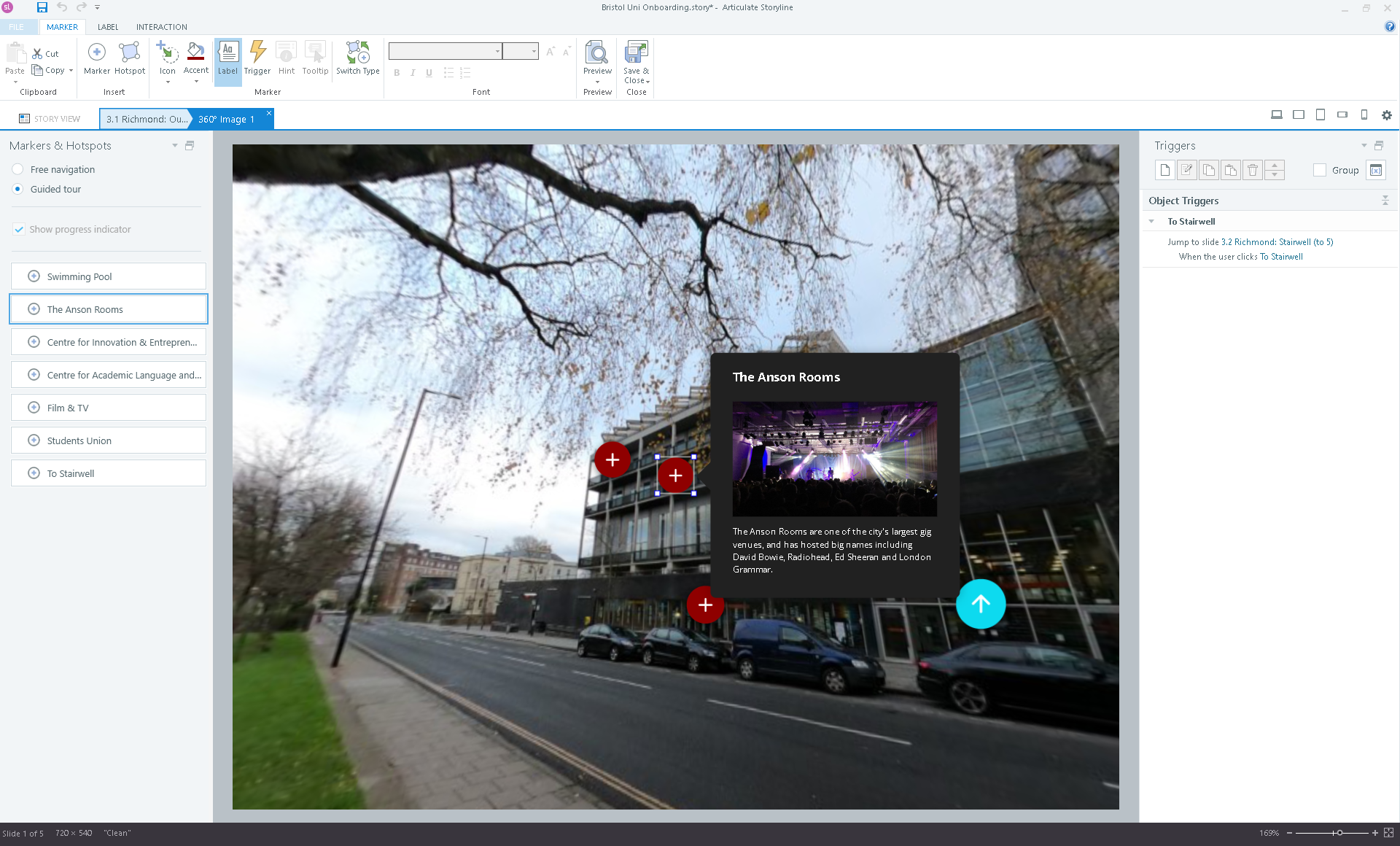
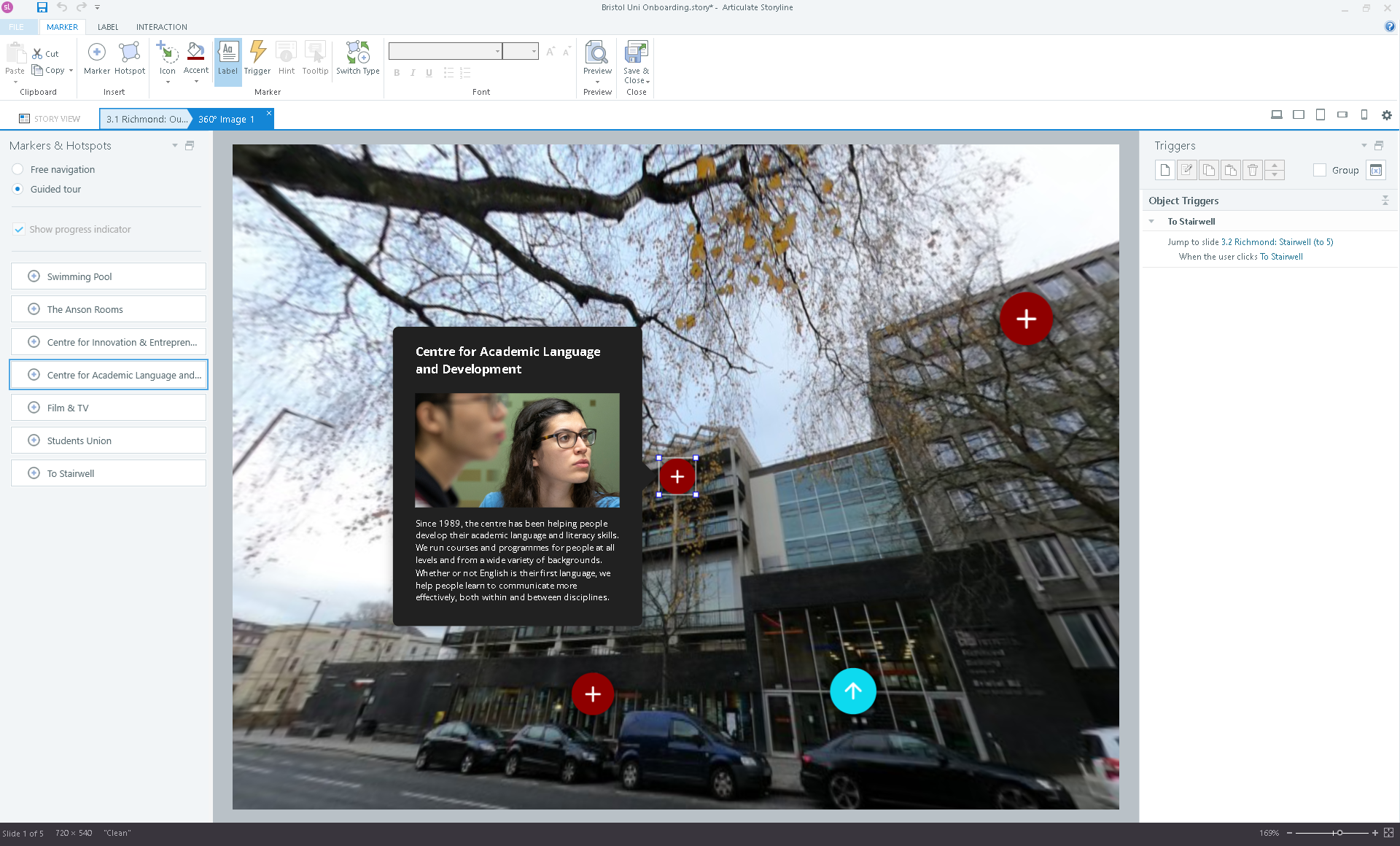
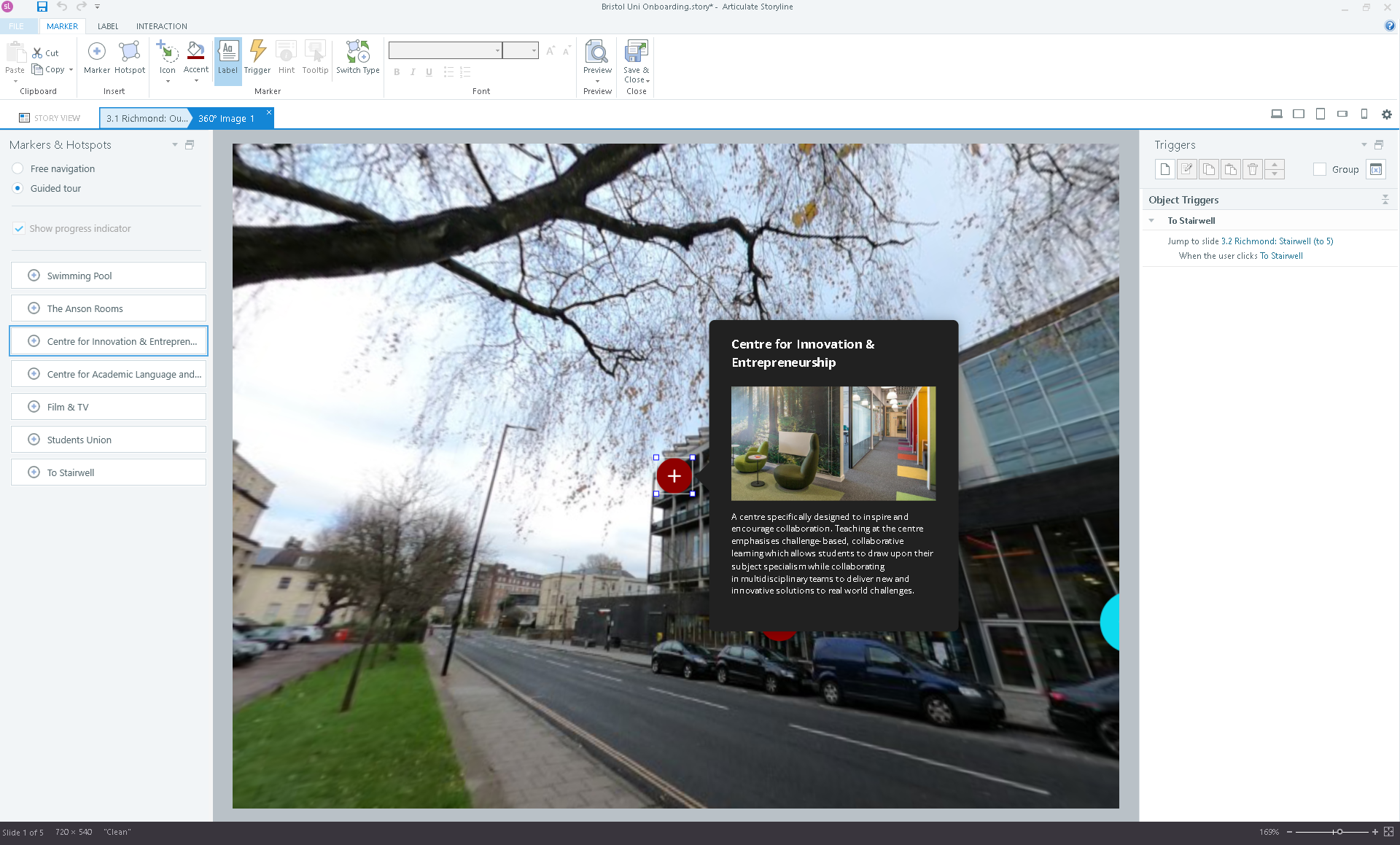
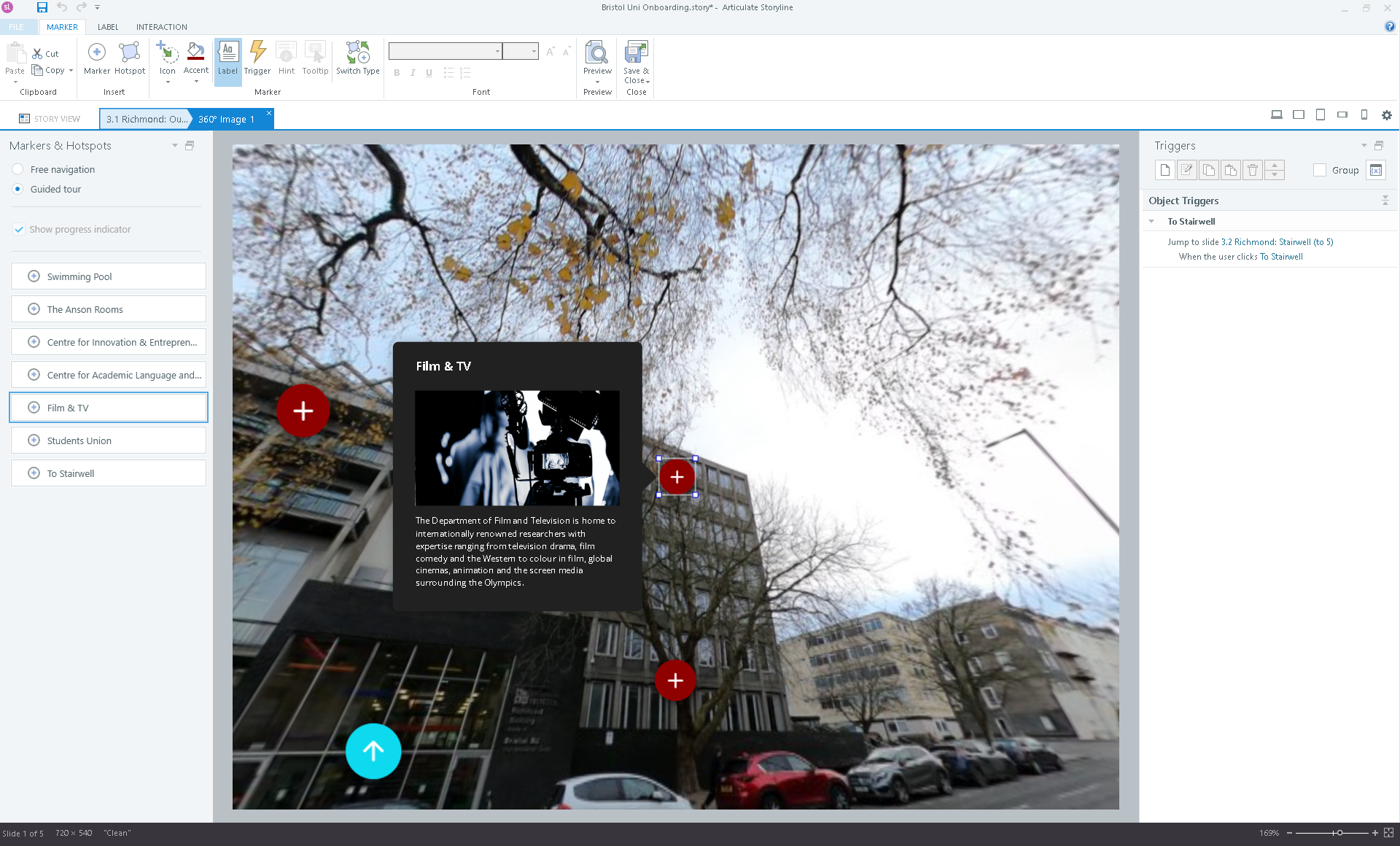
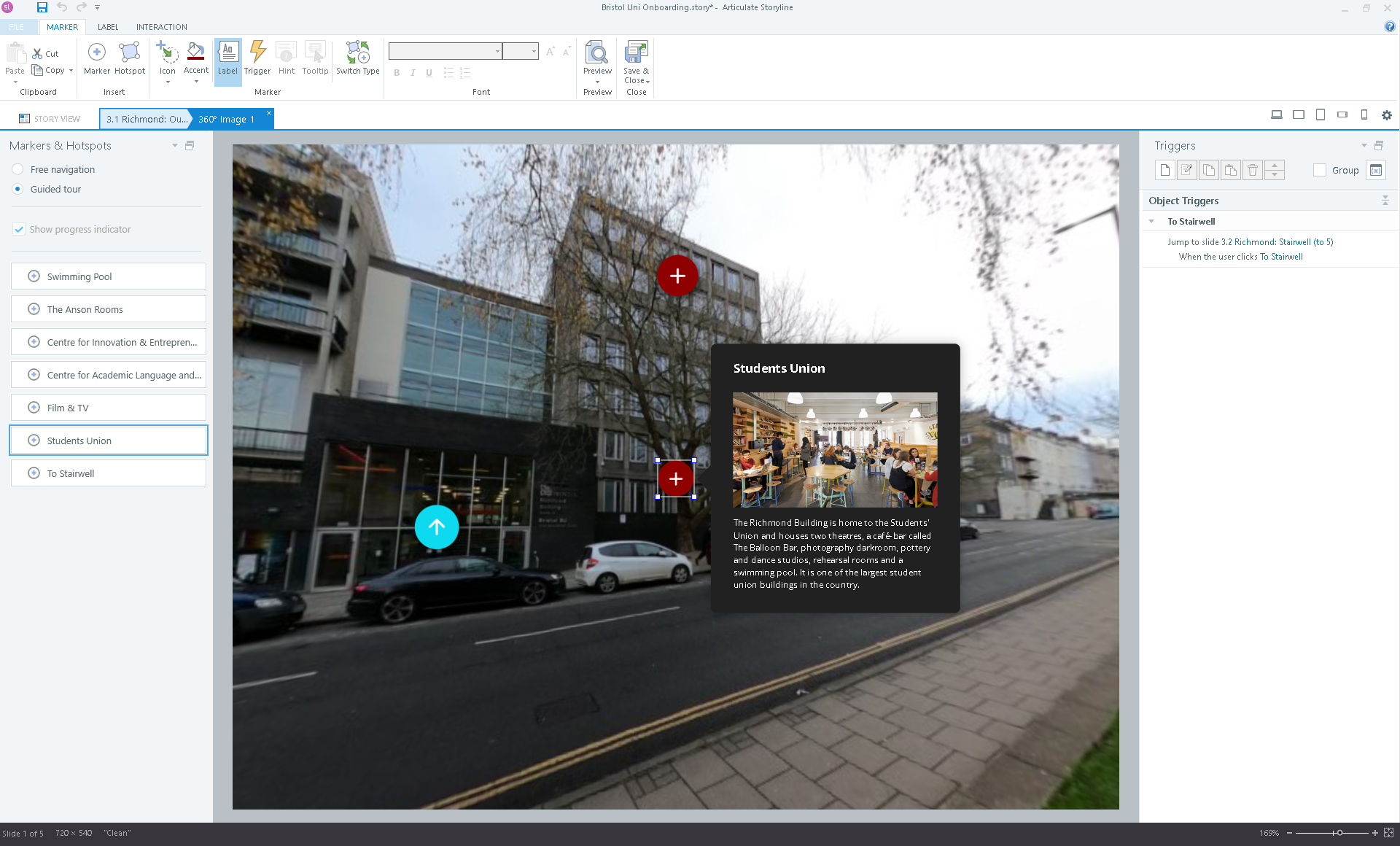
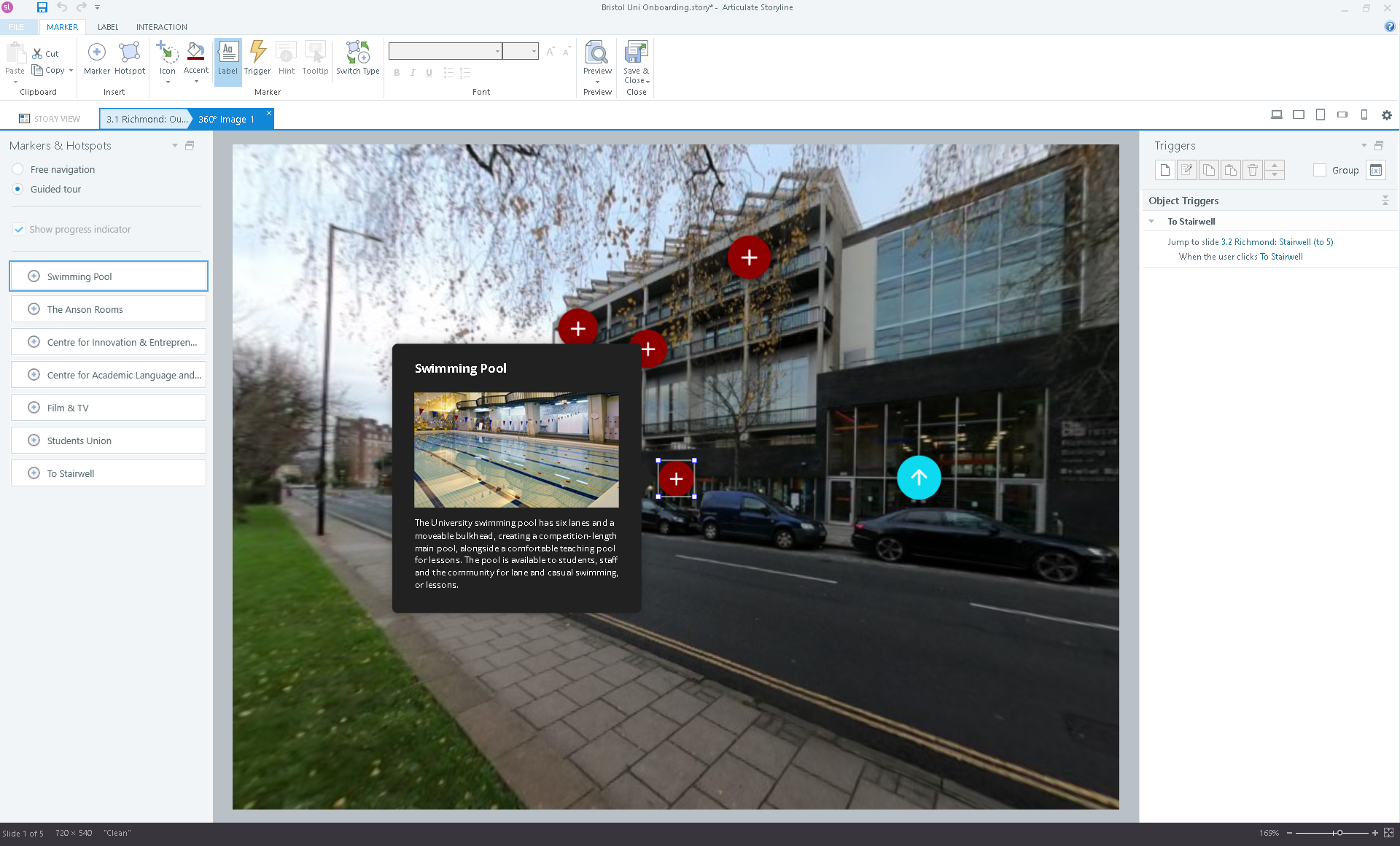
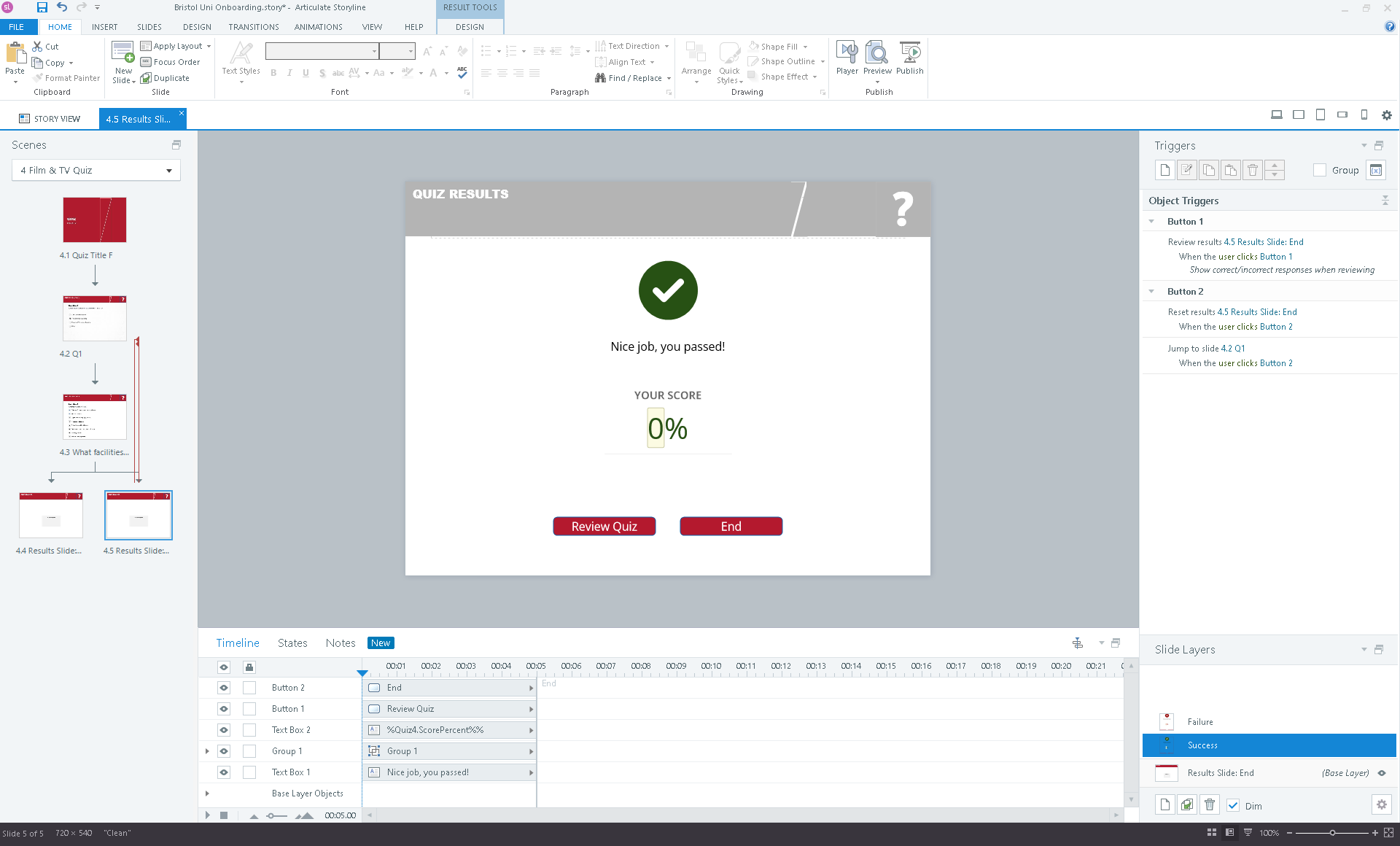
The University of Bristol required enhancement of their existing campus virtual tour through interactive learning scenarios. Static 360° panoramic photography needed transformation into engaging educational experiences deployable across mobile and desktop platforms, providing prospective students immersive campus exploration delivering structured learning outcomes.
Solution
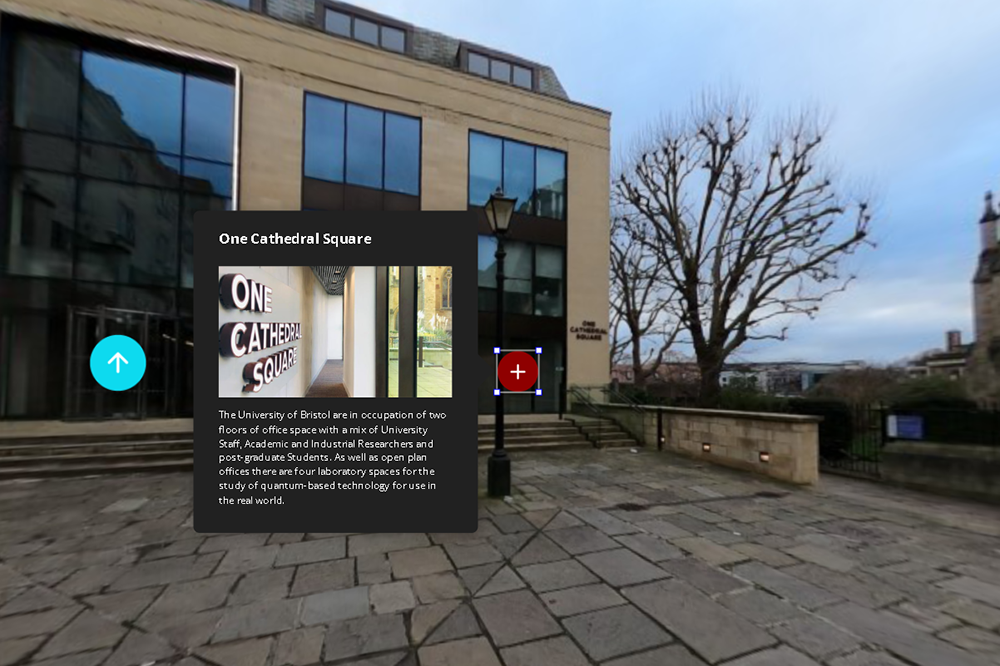
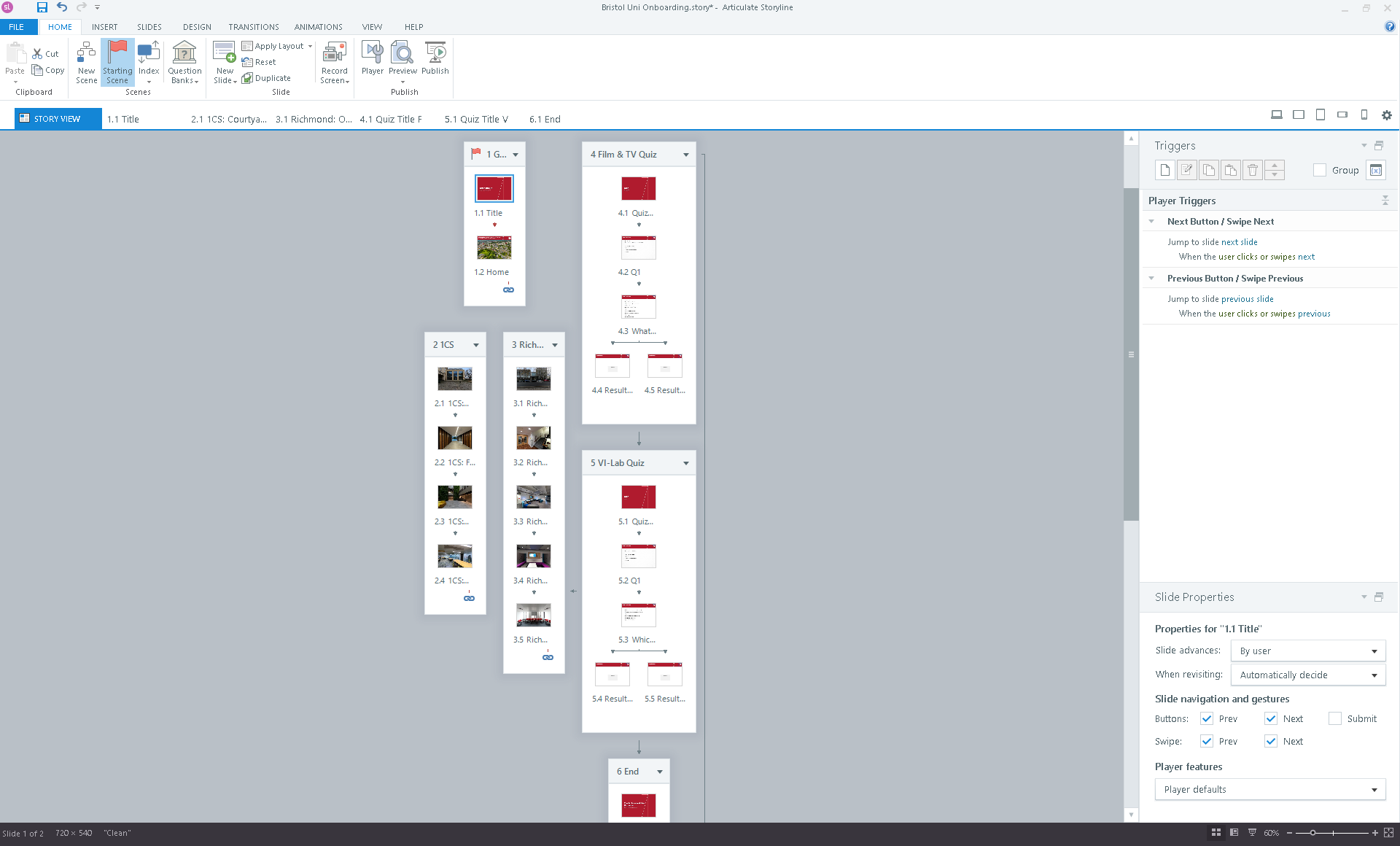
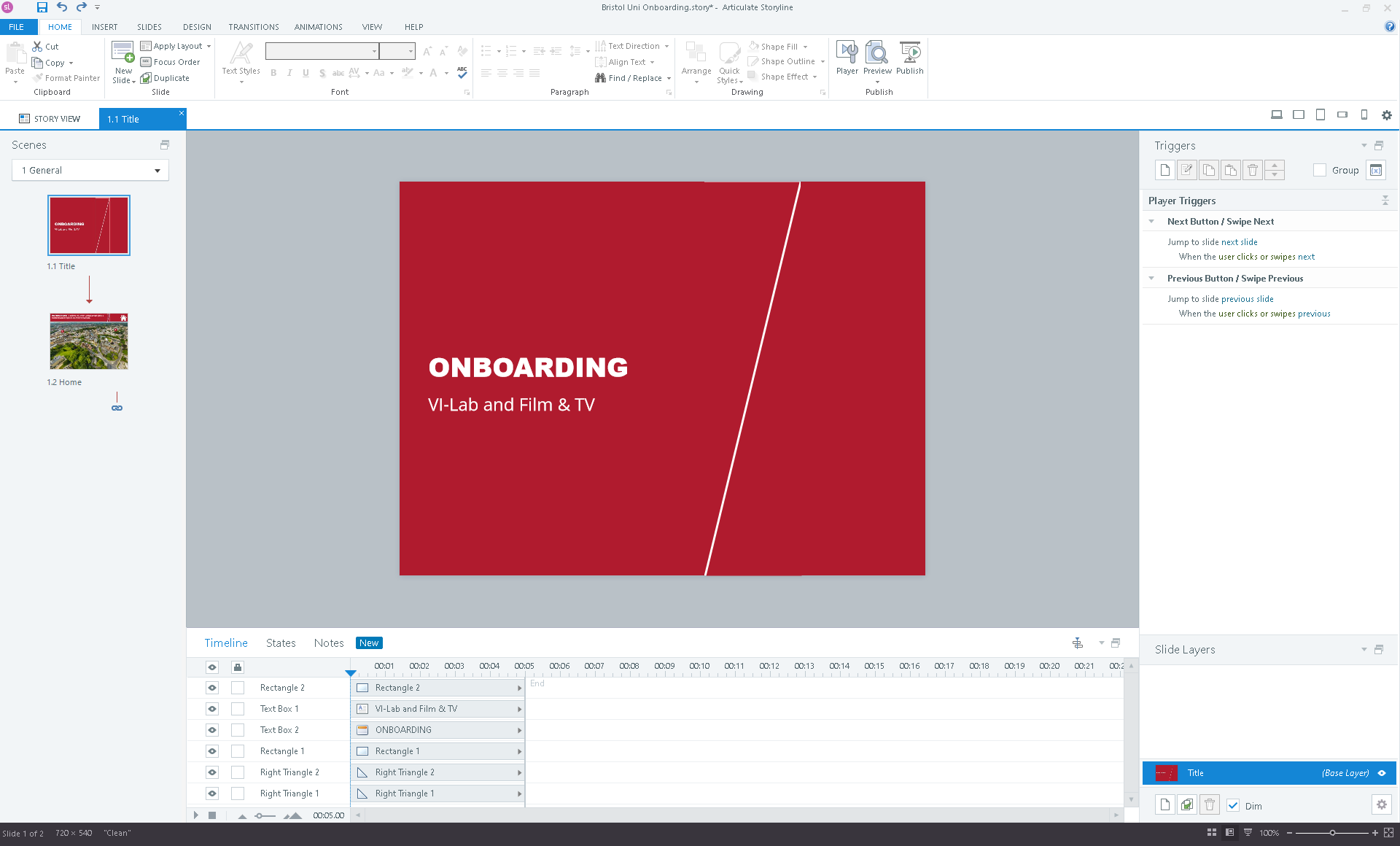
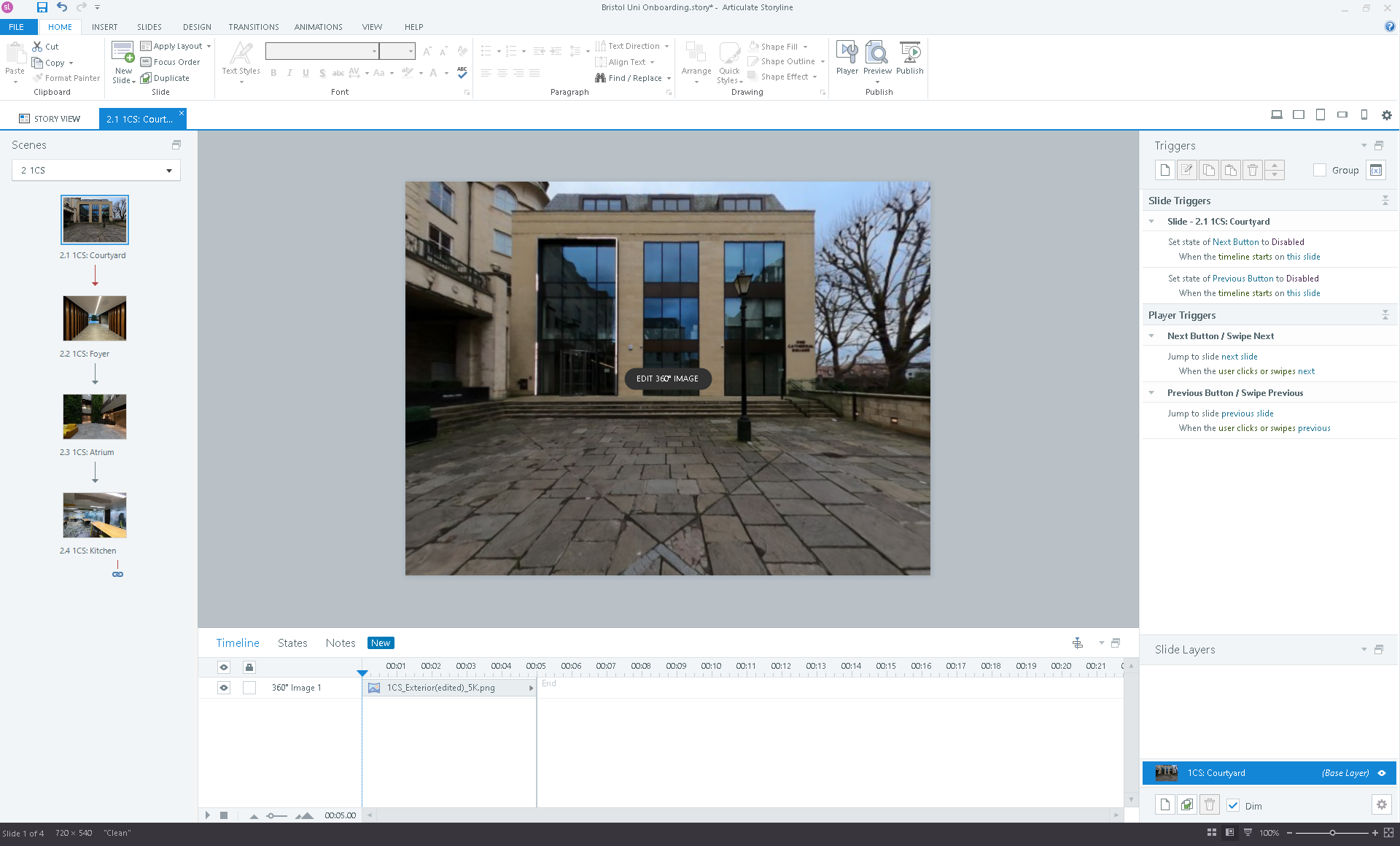
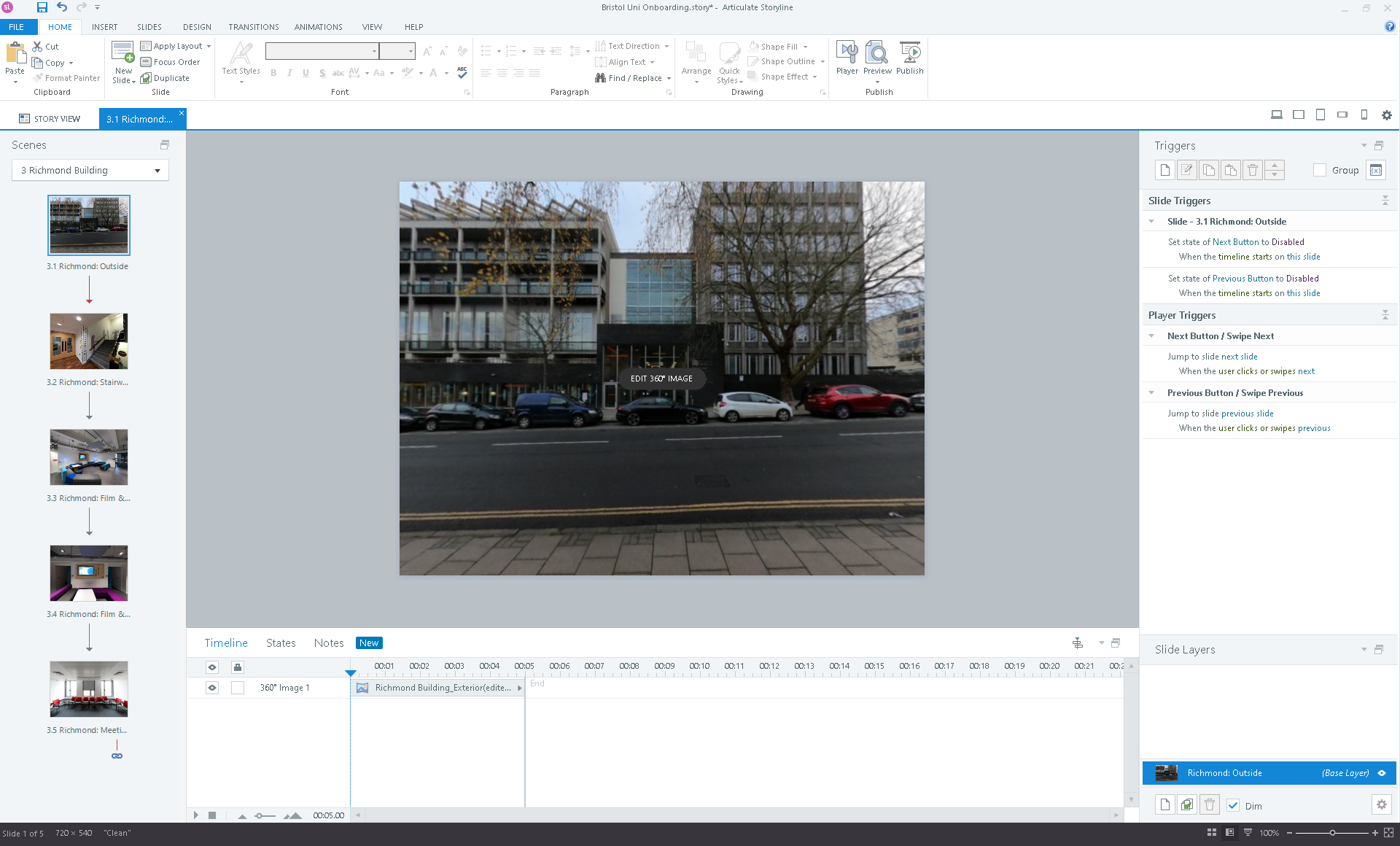
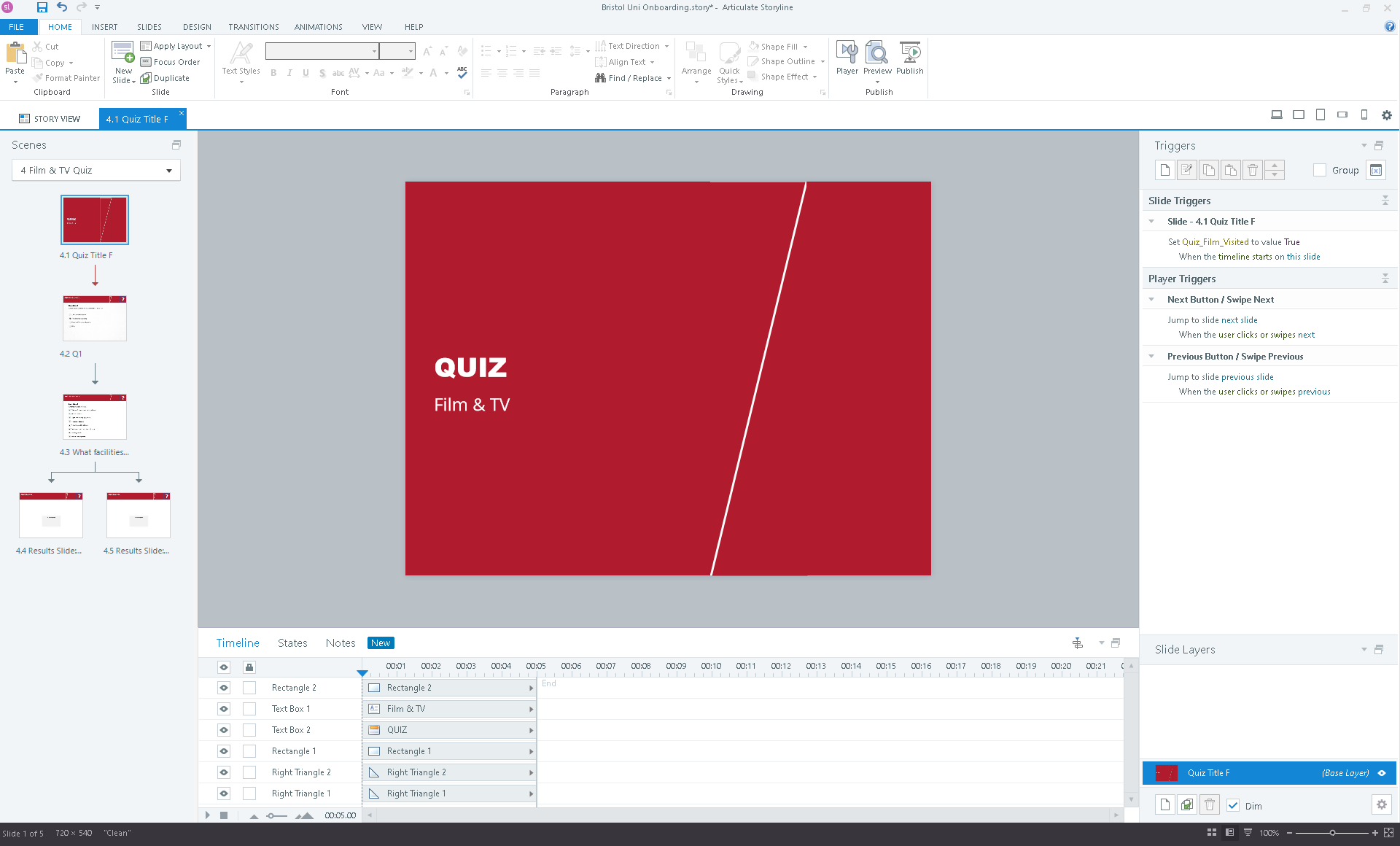
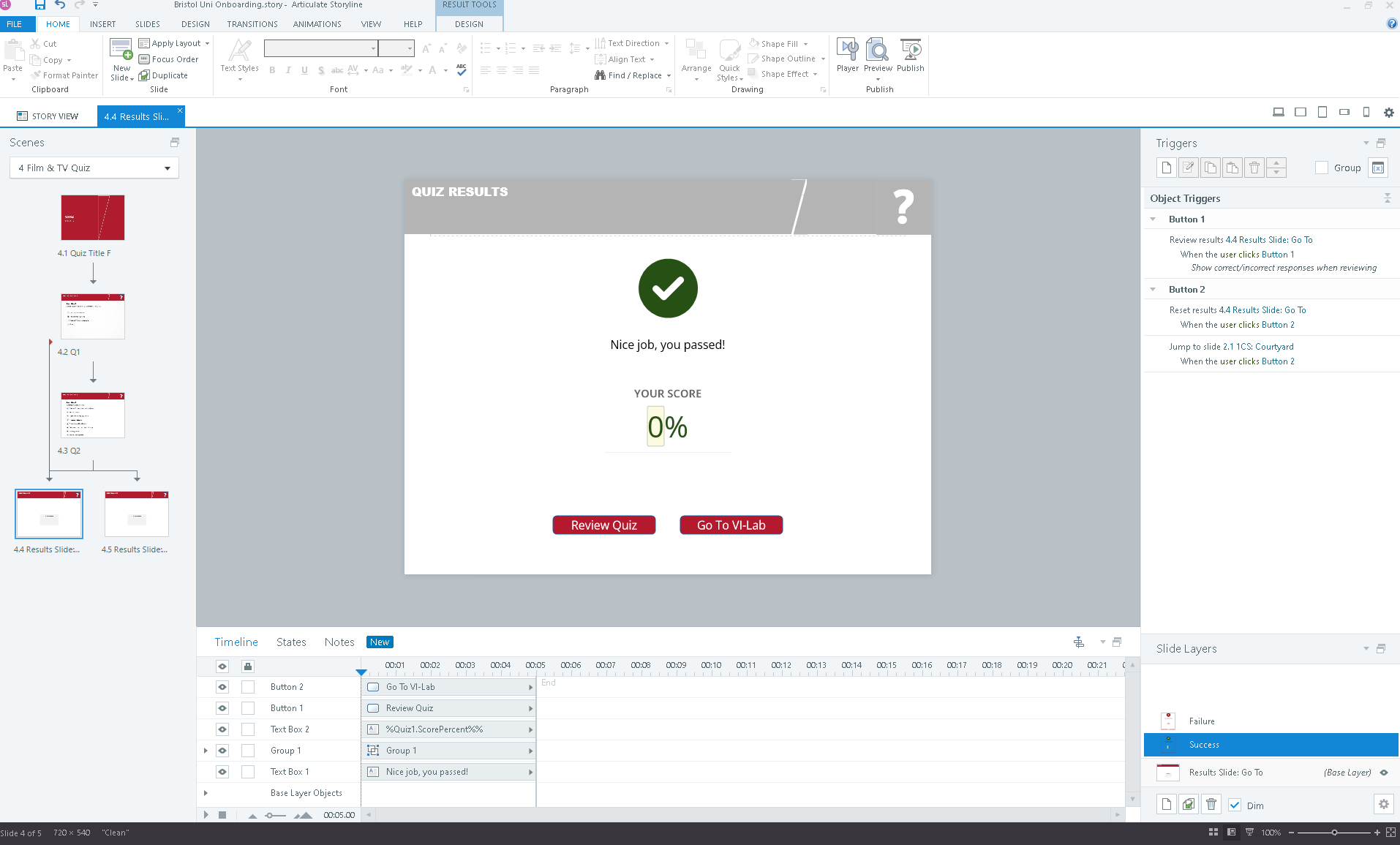
Comprehensive 360° panoramic photography was captured across campus locations using GoPro 360 Max hardware, processed through Affinity Photo for colour correction and stitching refinement. Panoramic assets were integrated into Articulate Storyline 360, developing interactive learning scenarios featuring hotspots, information overlays, navigation systems, and assessment components.

Outcome
The Campus Tour project successfully transformed the University of Bristol's virtual tour from passive viewing into active learning experience. Interactive scenarios provided prospective students self-directed exploration whilst ensuring consistent key information communication. The project demonstrated combining immersive 360° capture with structured learning design value.
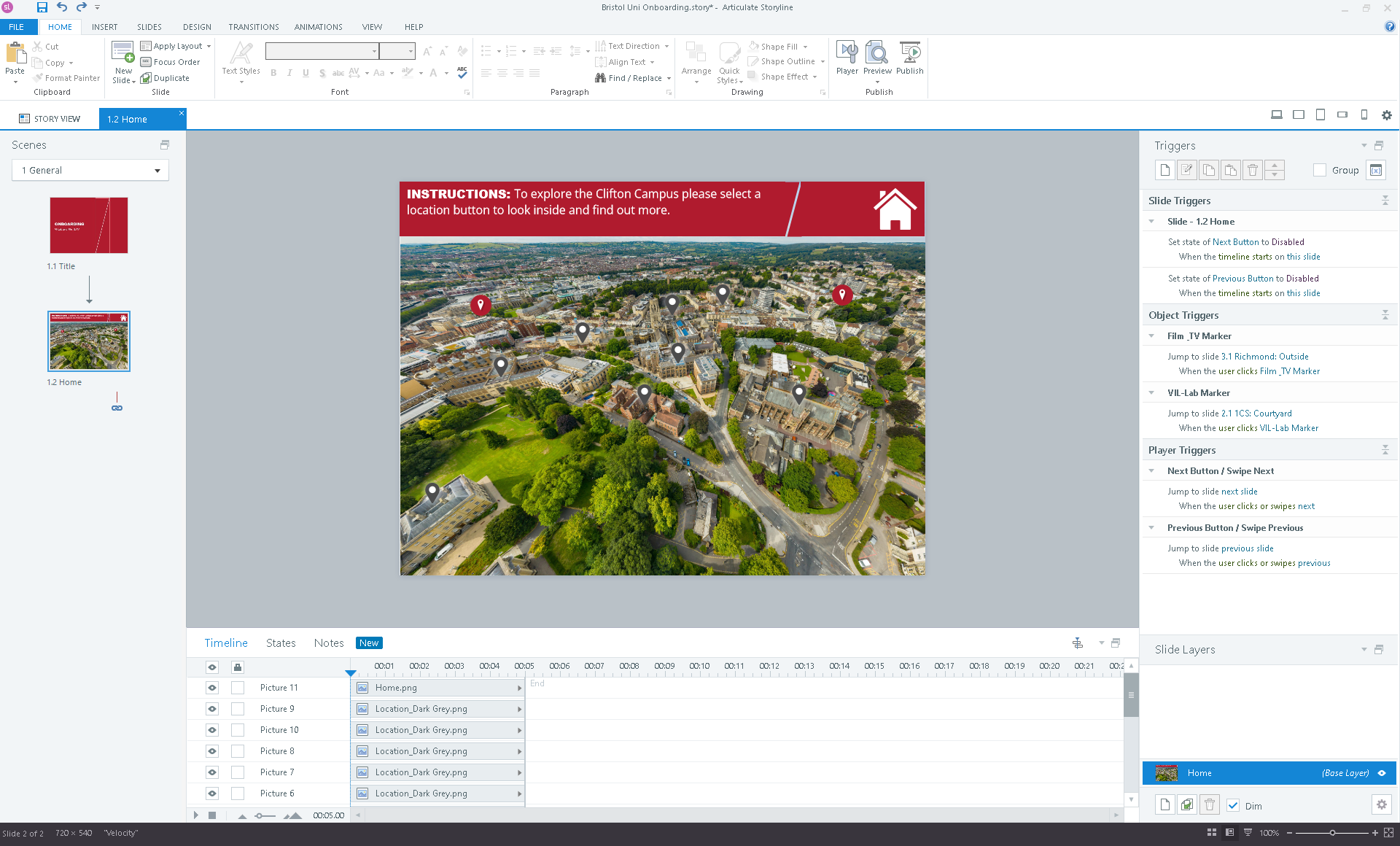
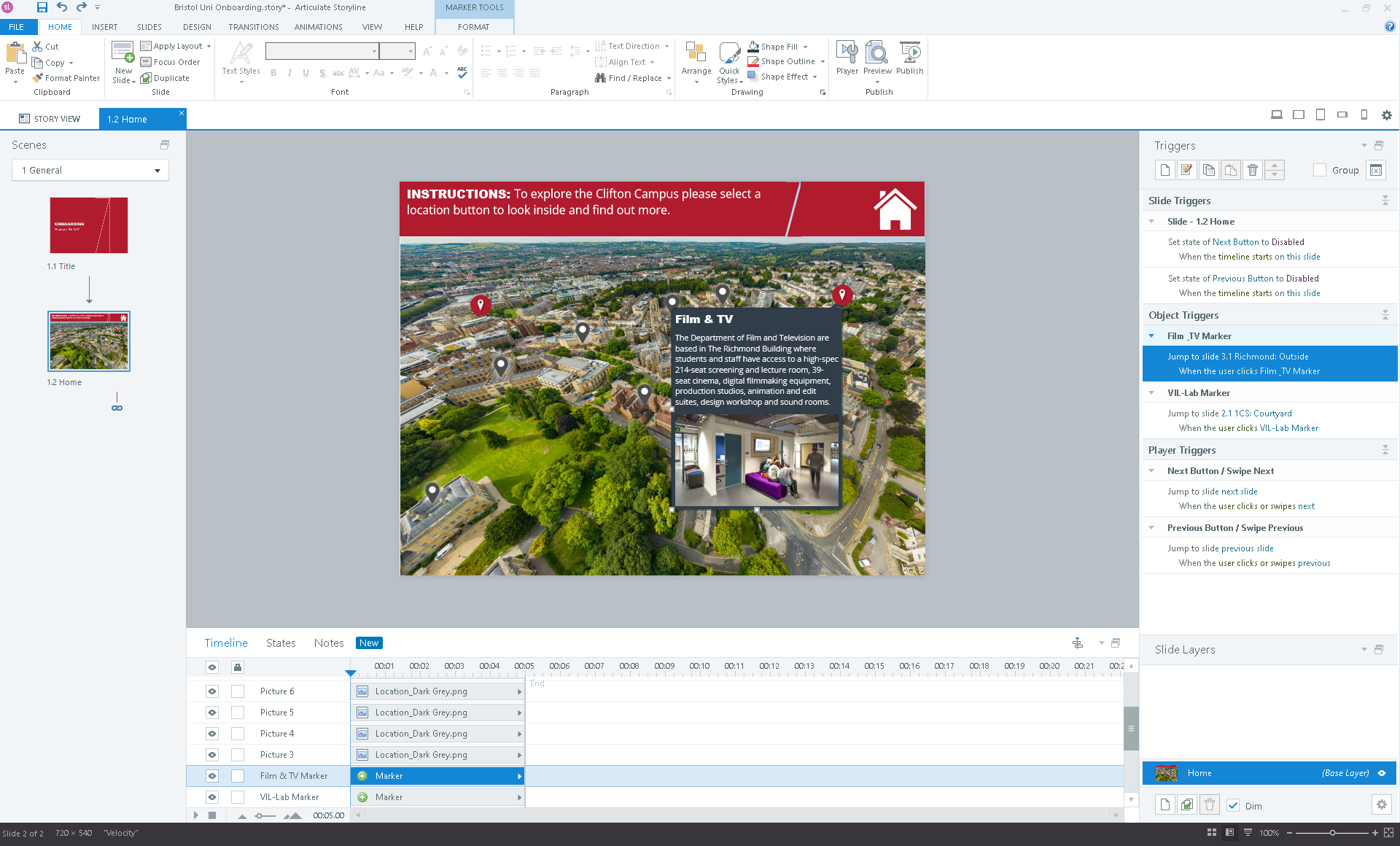
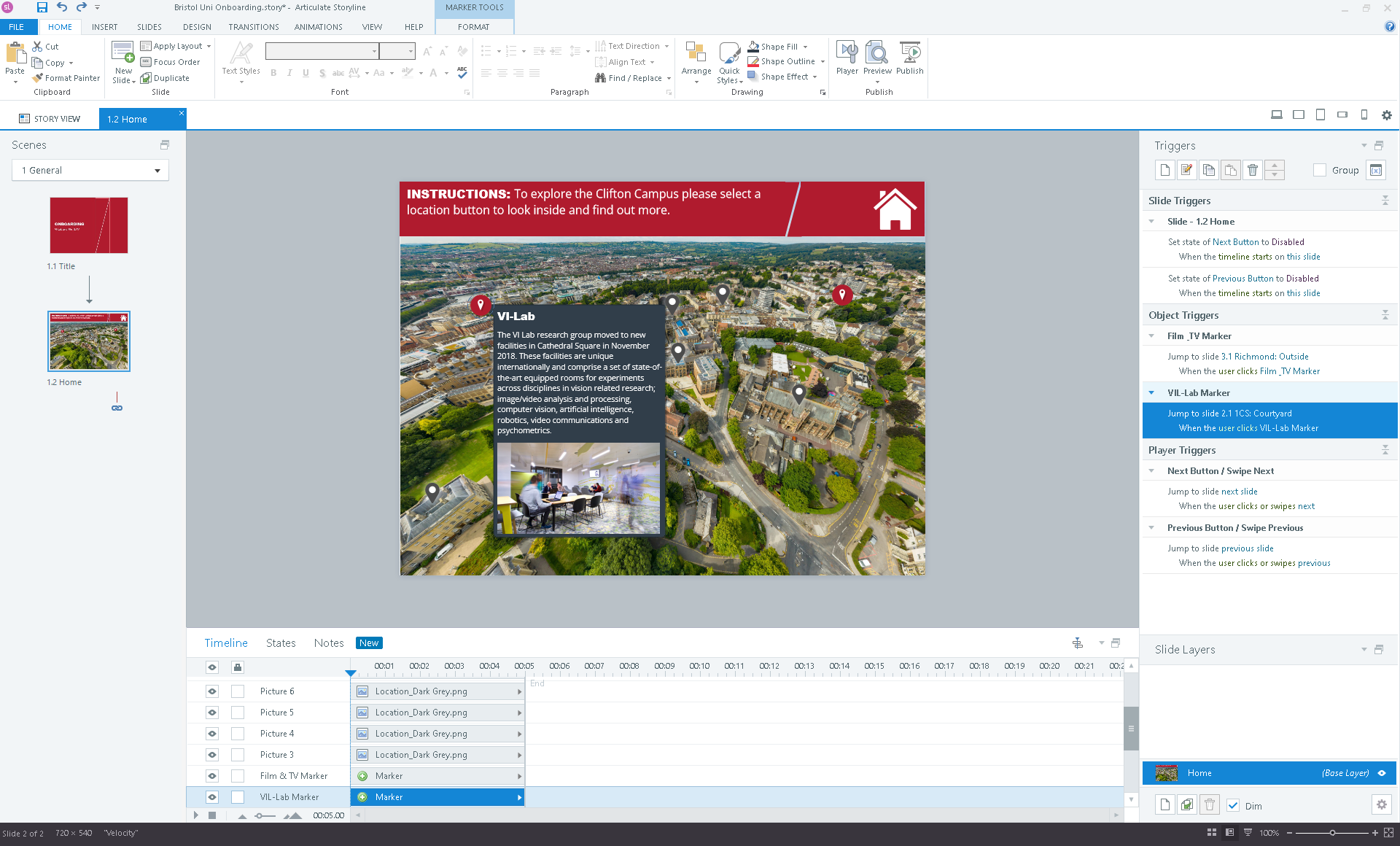
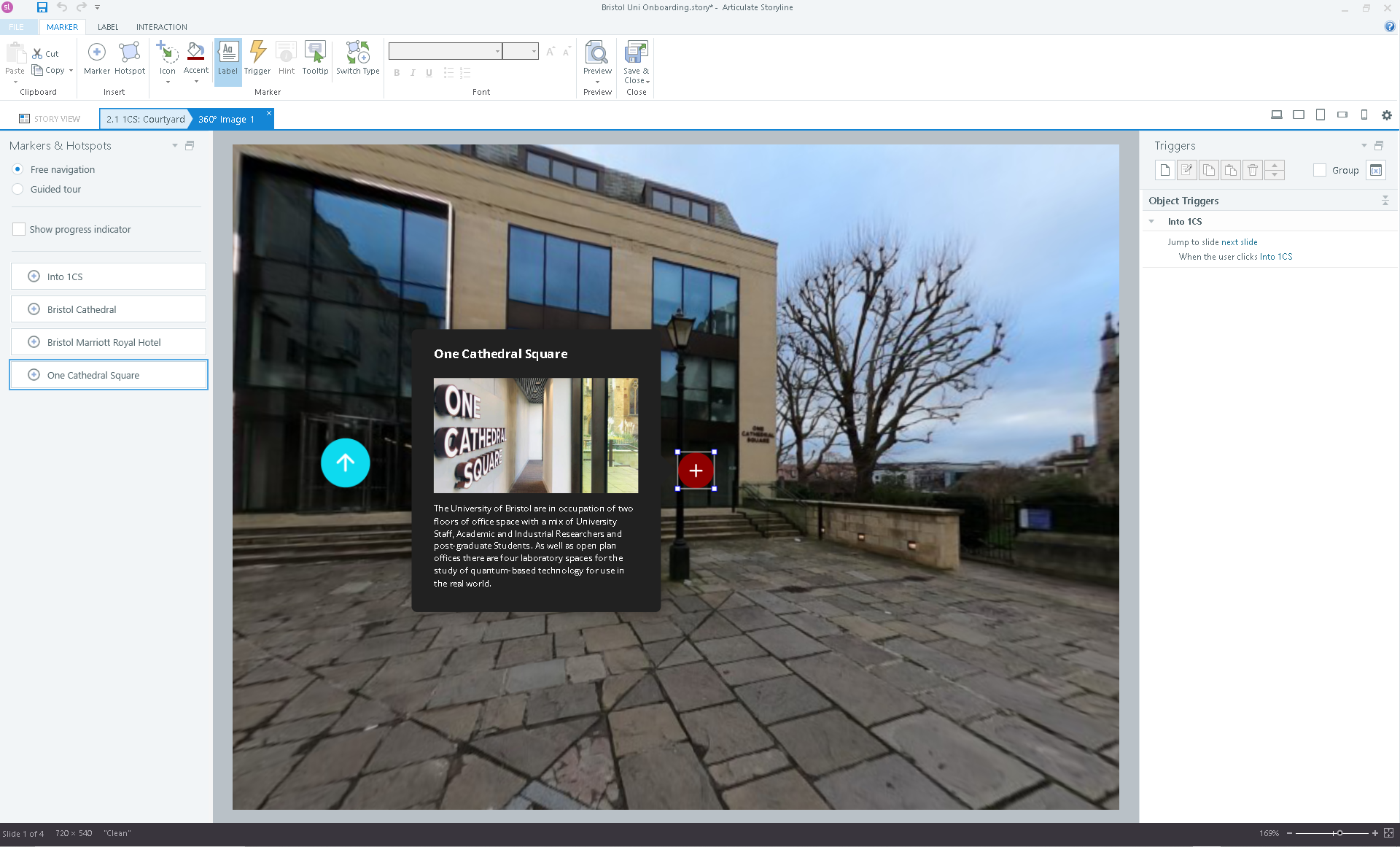
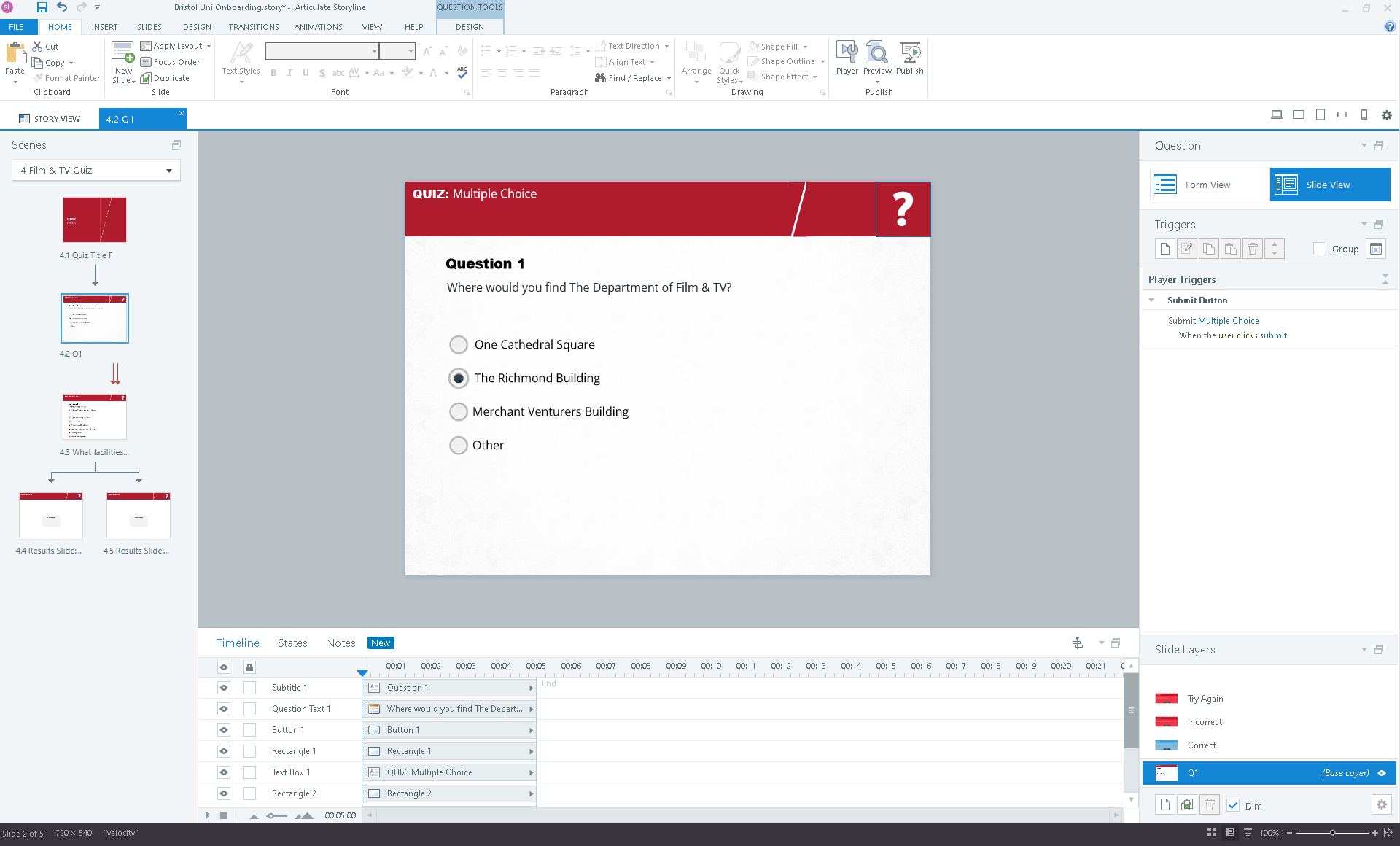
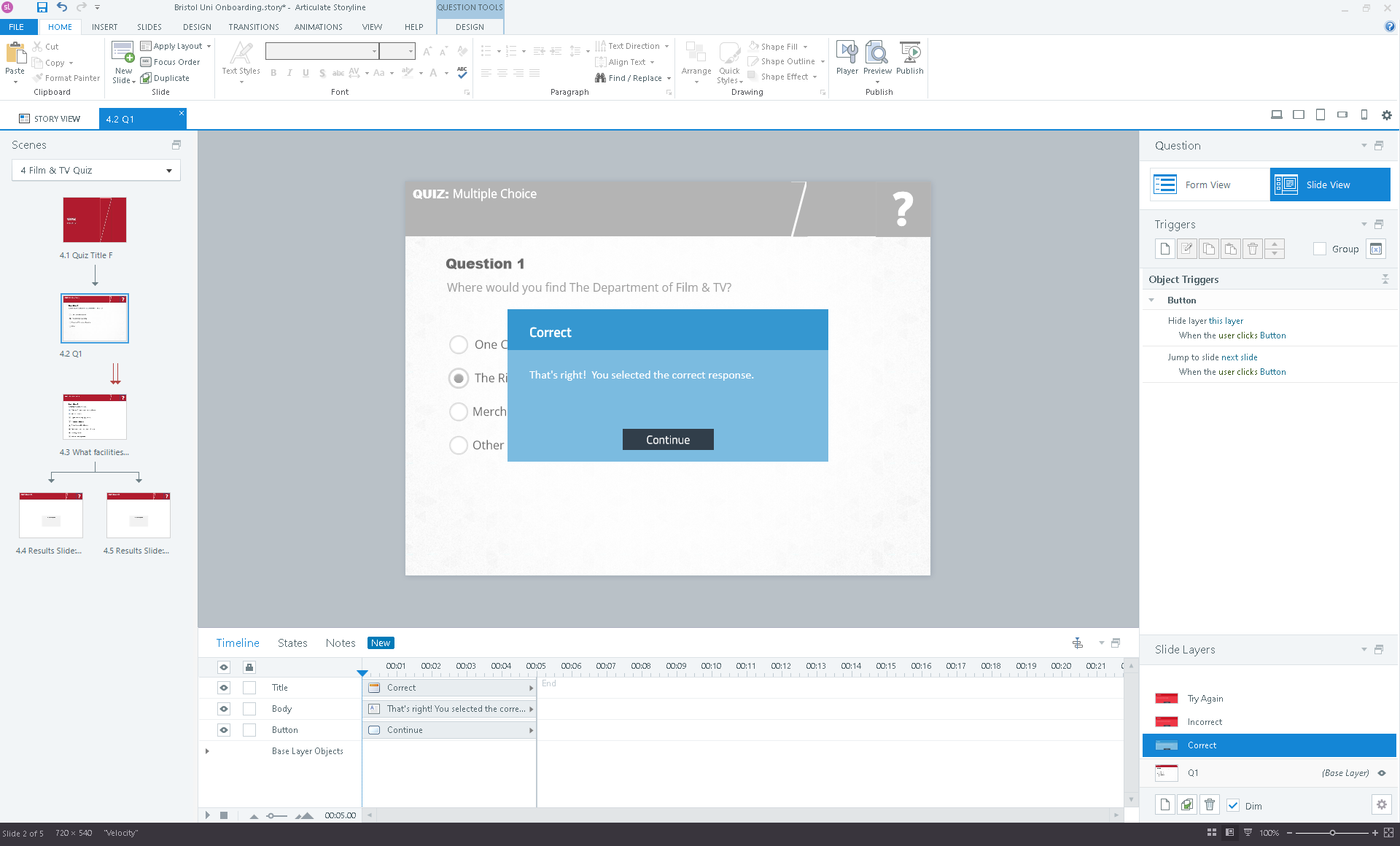
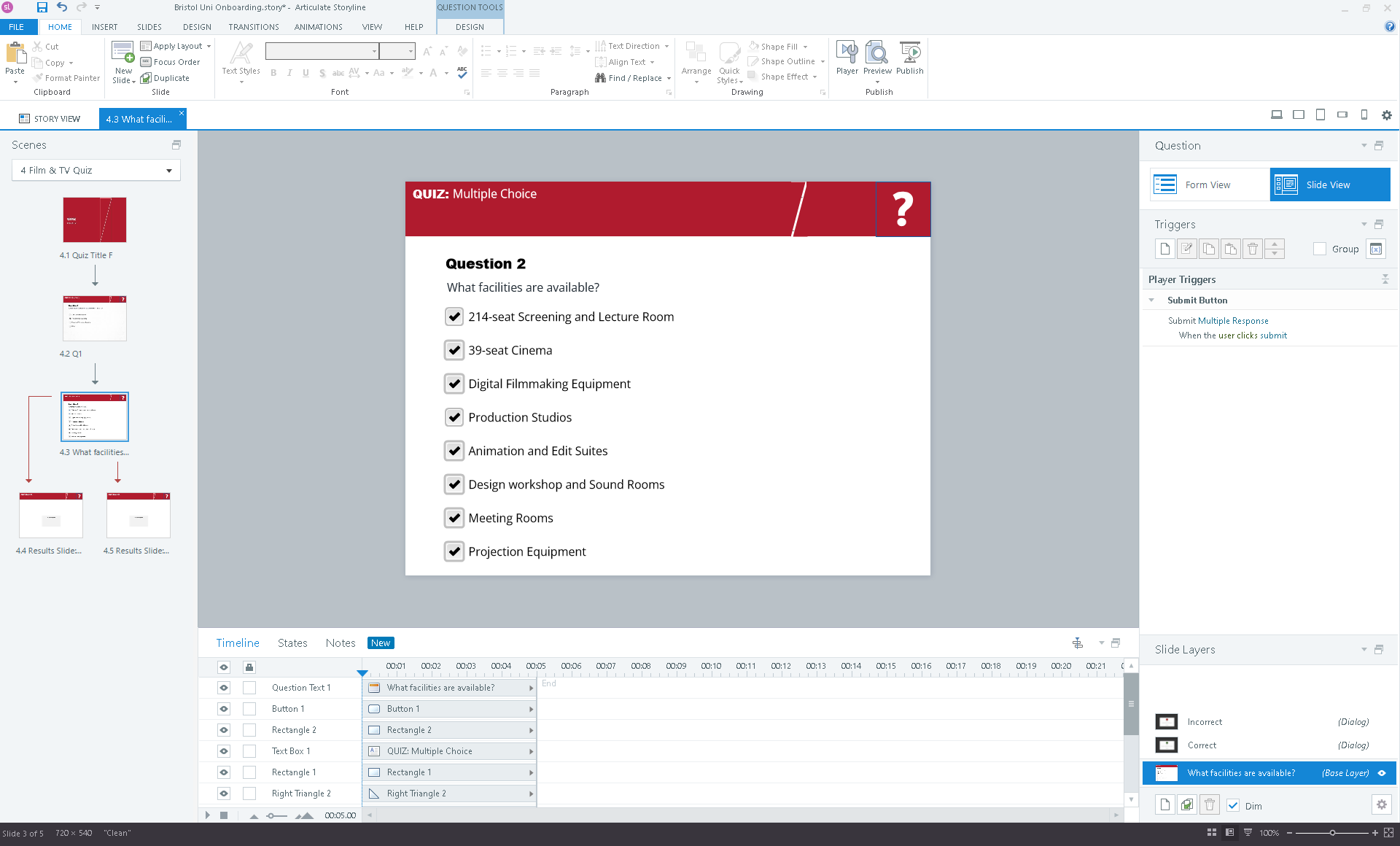
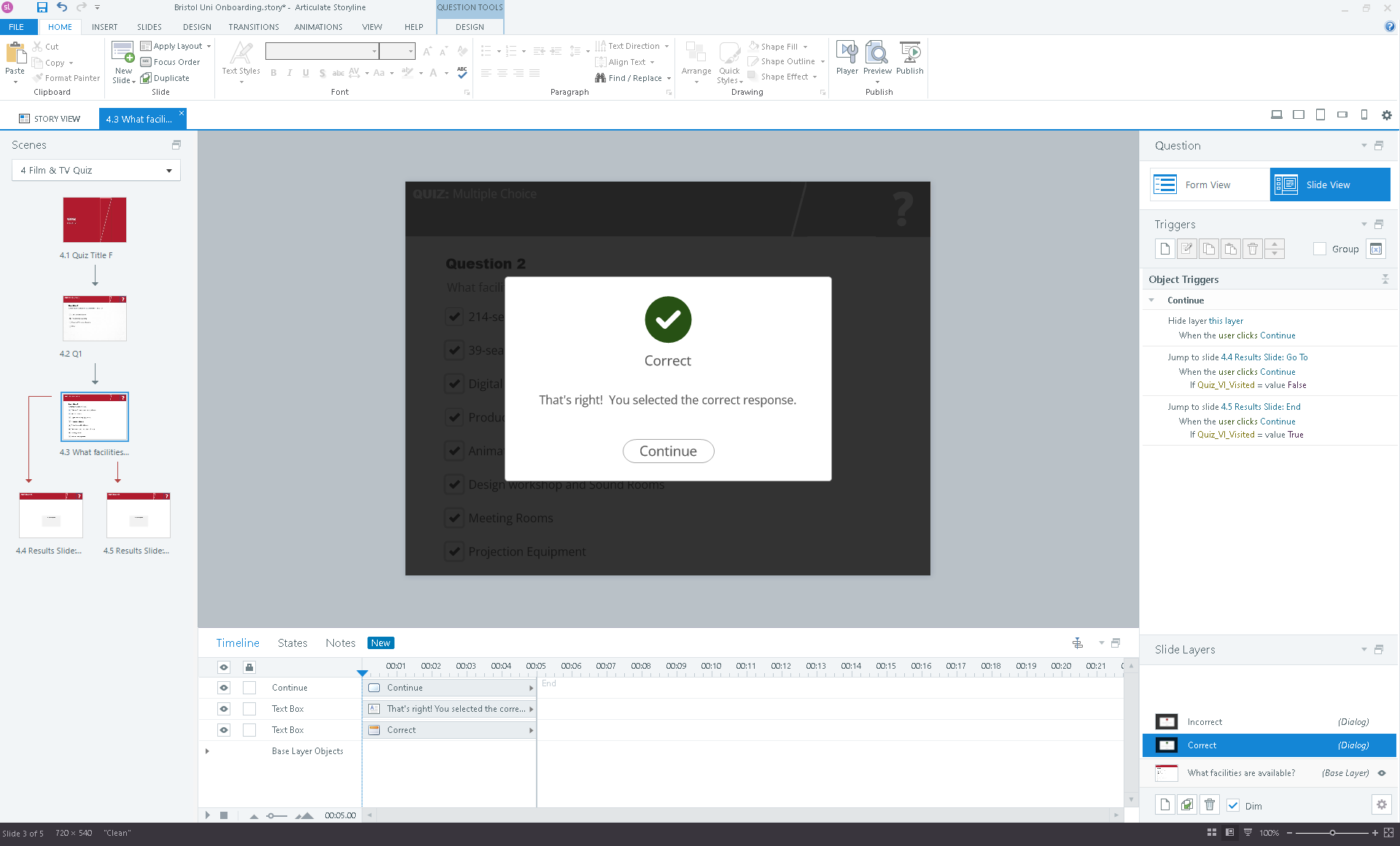
Copyright: University of Bristol
STUDIOTEC VR
Creating Immersive Learning Environments for Film History Education
Challenge
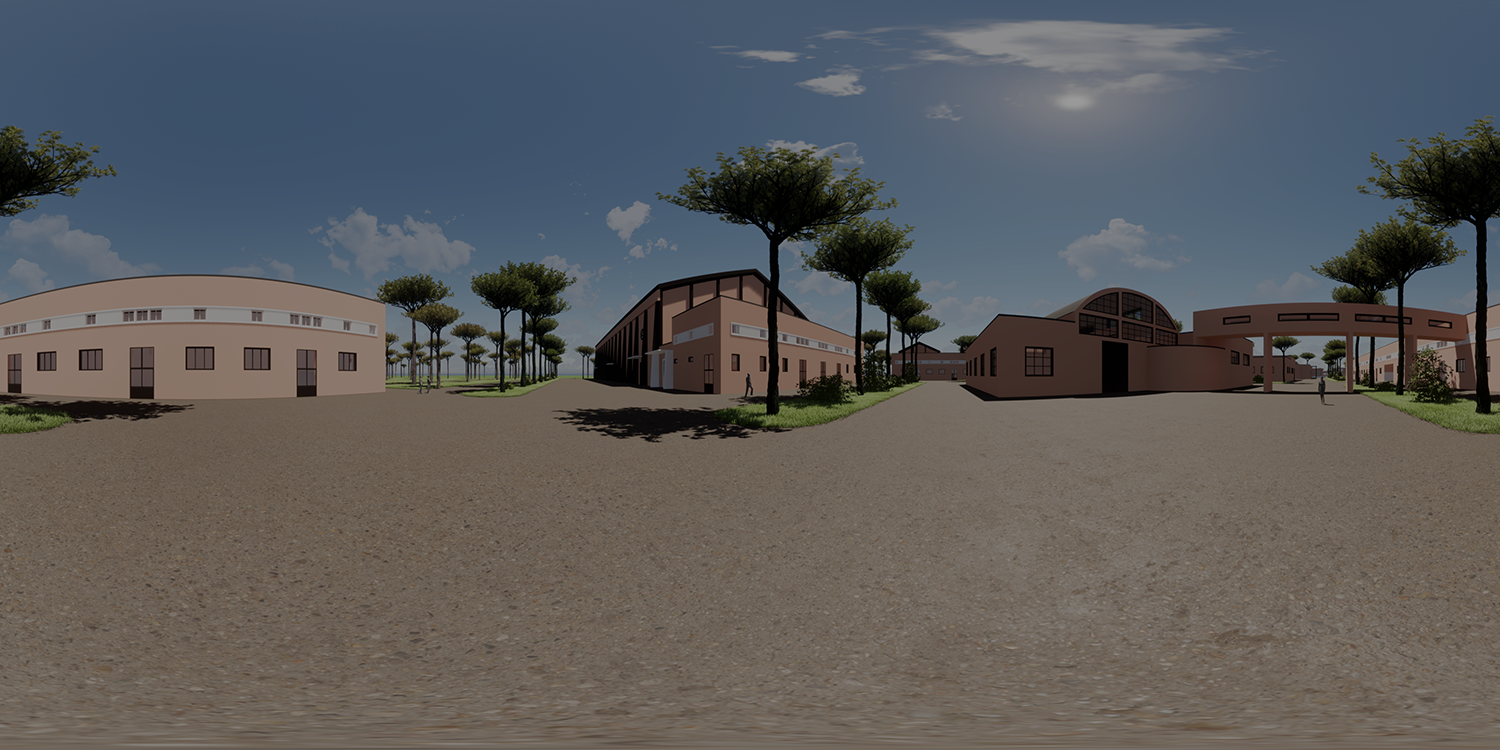
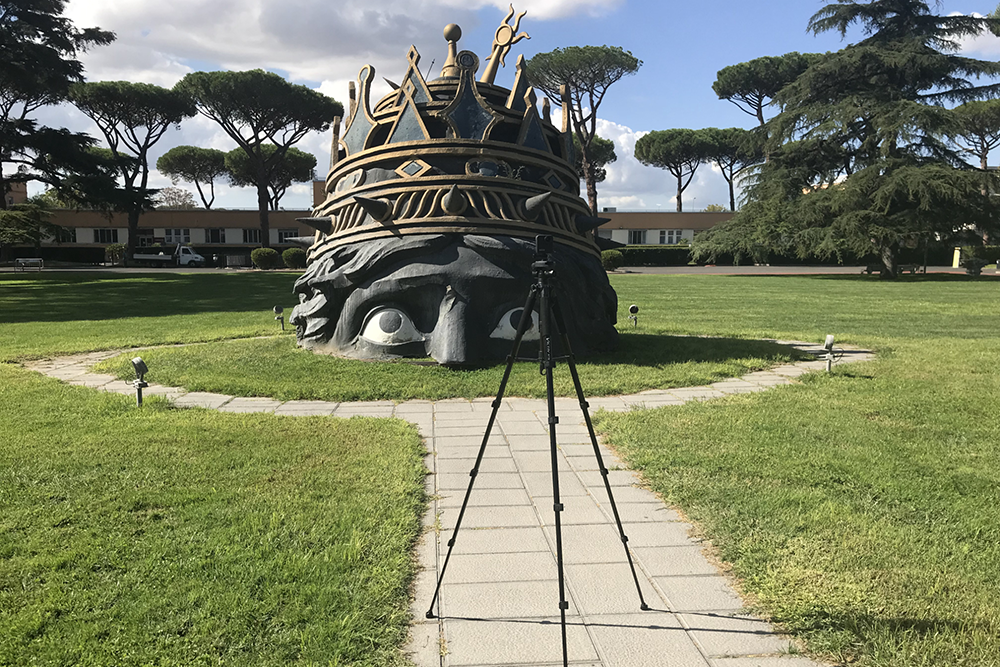
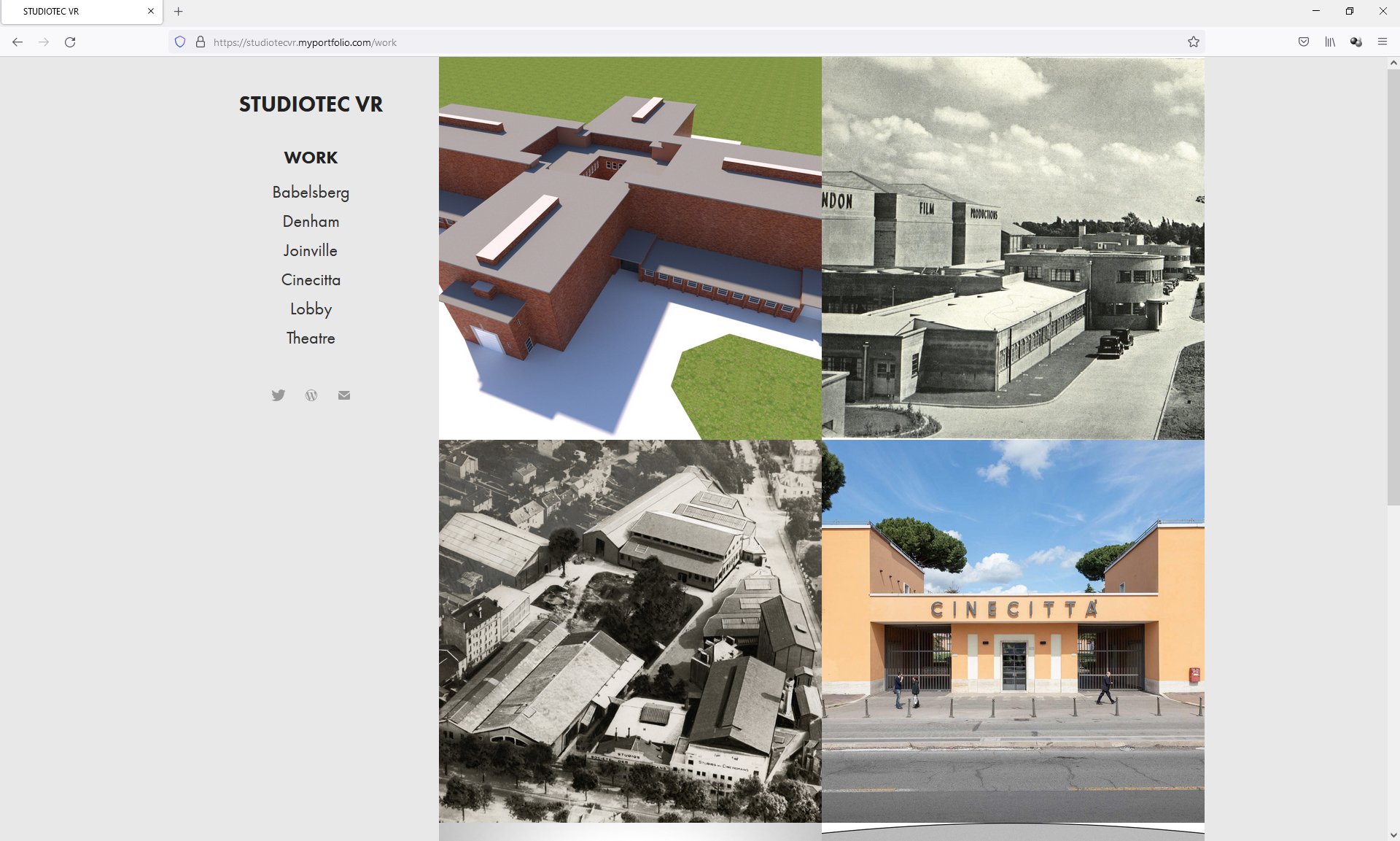
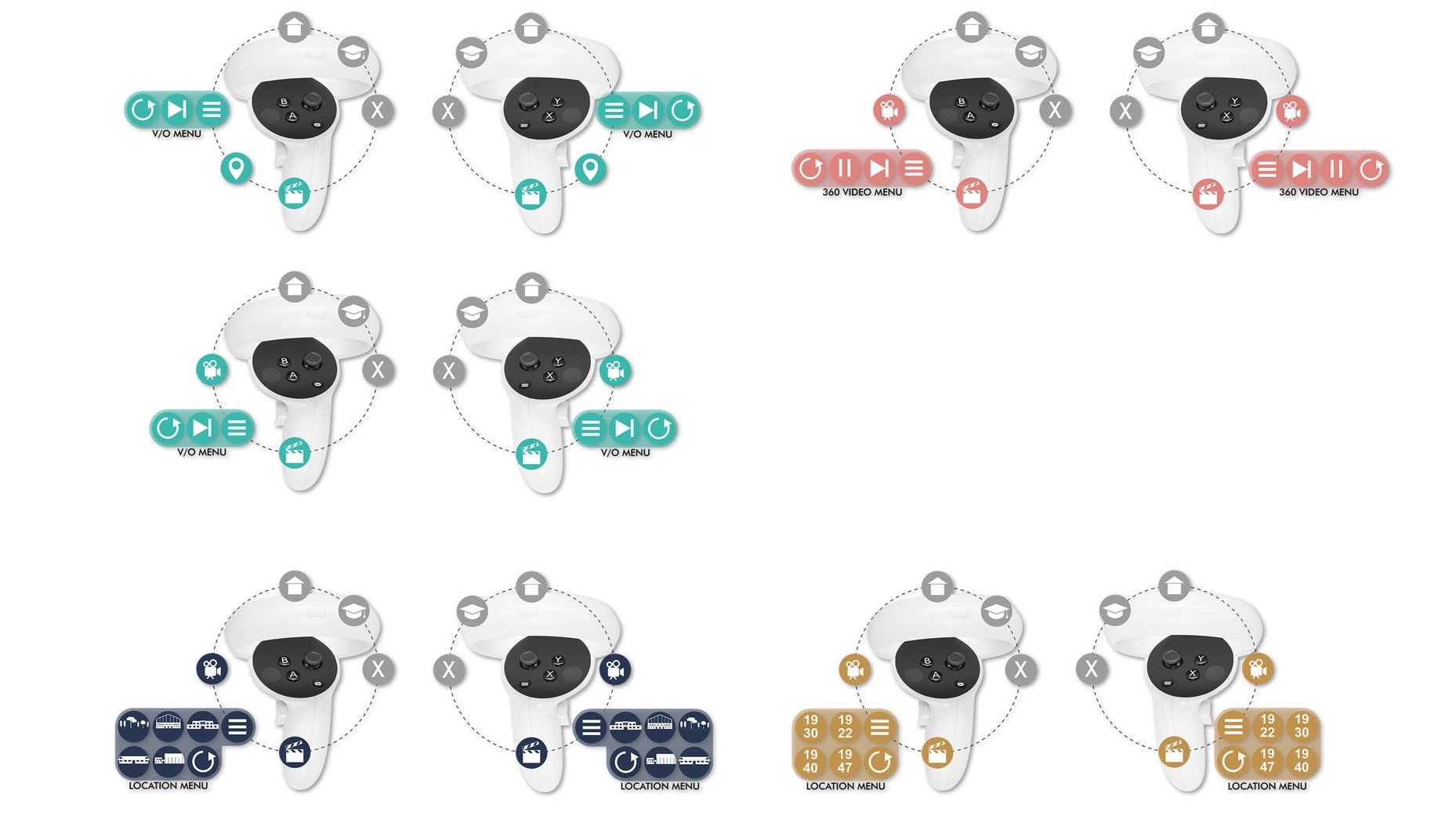
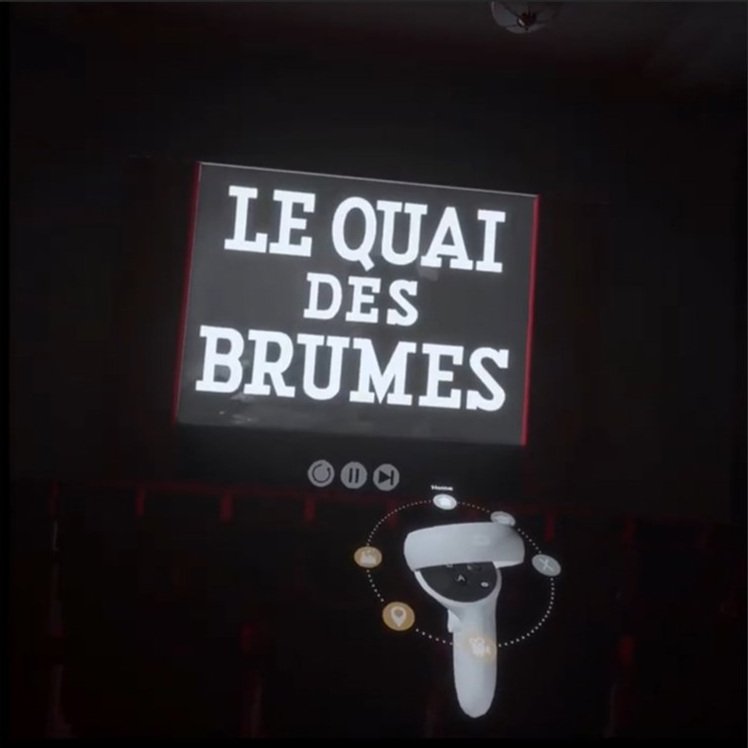
The three-year EU-funded STUDIOTEC VR project required creating an educational VR experience teaching film history through authentic reconstruction of 1930s-1960s film studios. The challenge was developing immersive learning environment using historical data that would meet academic rigour whilst providing engaging educational experience.

Solution
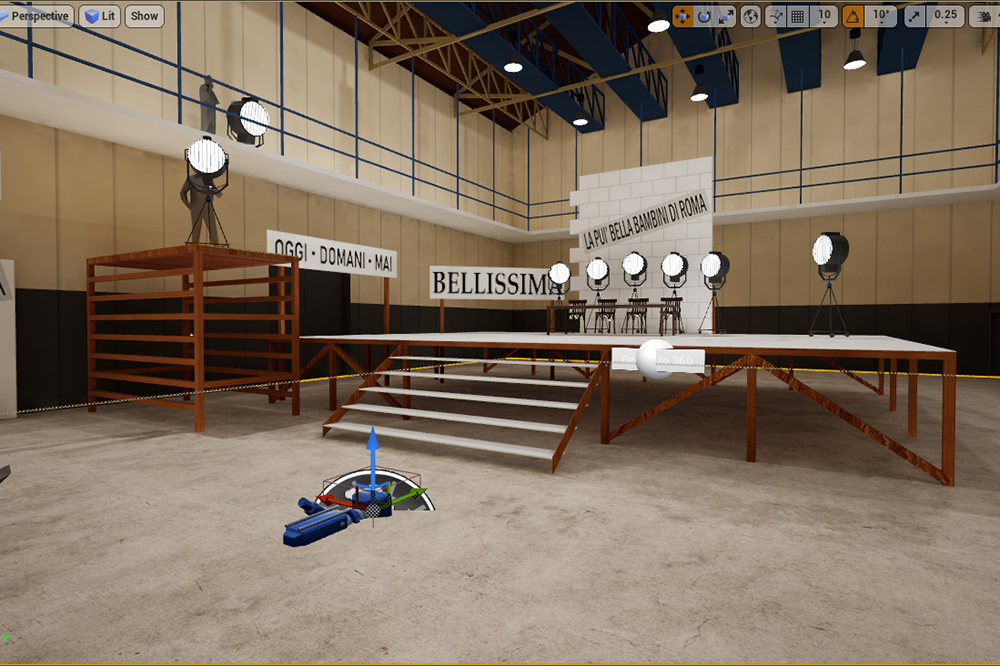
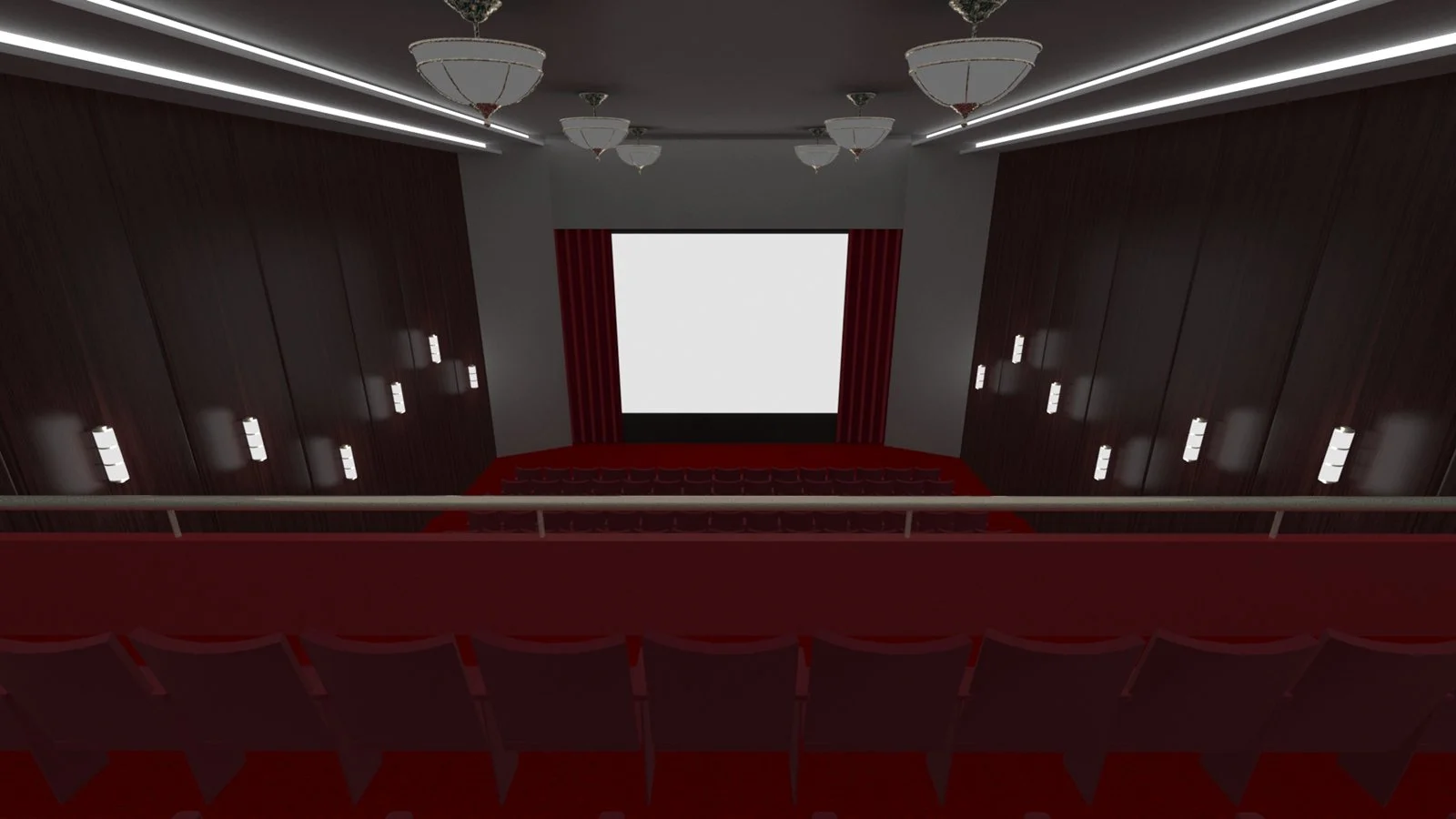
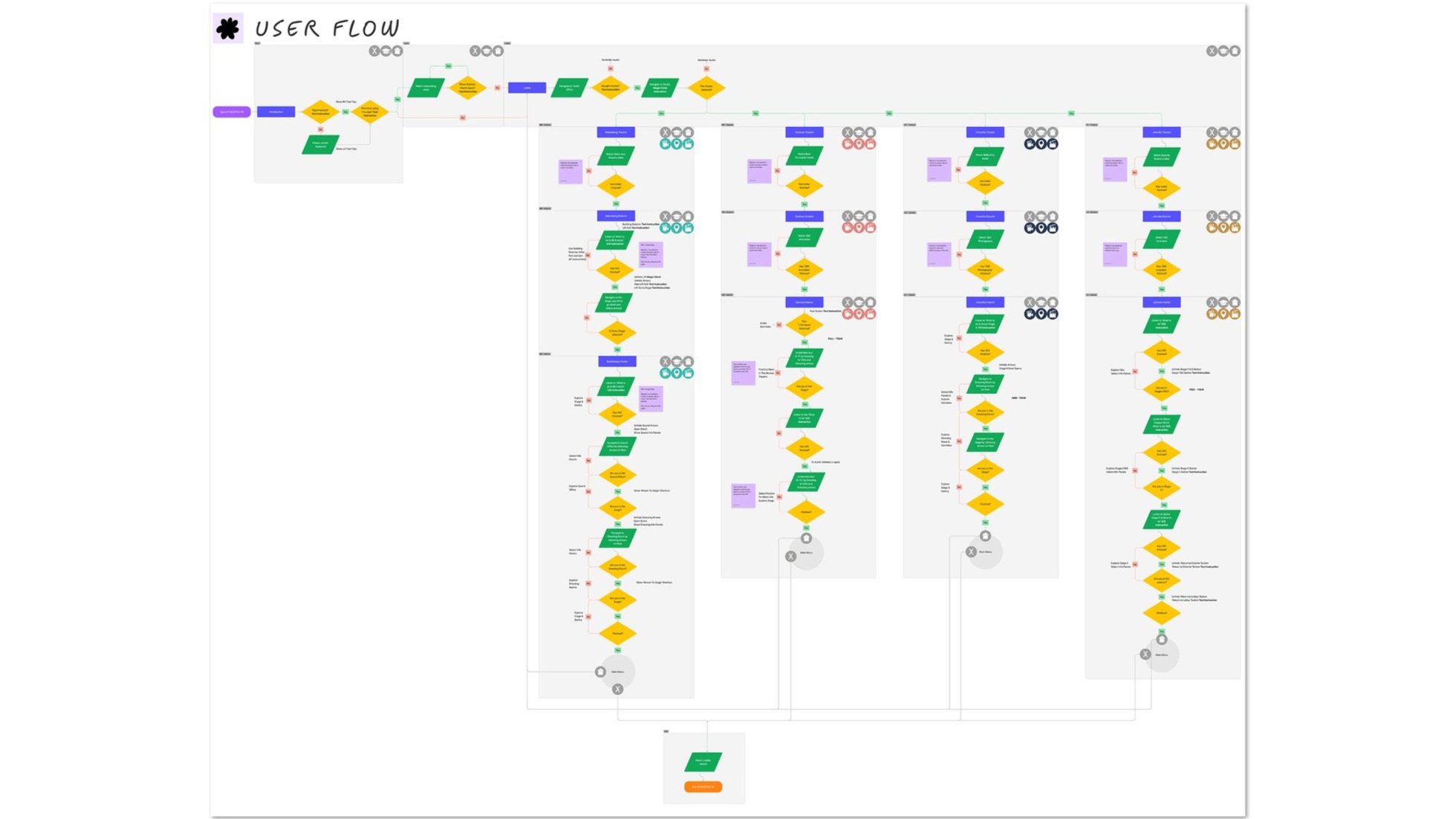
Historical film studio spaces were comprehensively researched and reconstructed using 3ds Max with V-Ray. Assets were optimised using Sketchfab and Blender before Unreal Engine 4.26 integration implementing educational VR functionality enabling students to explore authentic period environments. Comprehensive documentation was maintained throughout the three-year cycle, culminating in detailed lab book providing educational methodology guidance.
Outcome
STUDIOTEC VR successfully created immersive learning environment bringing film history to life through authentic studio reconstructions. The educational VR experience enabled students to explore historical film production environments in ways traditional teaching cannot achieve.






Copyright: University of Bristol

L&D XR Strategy
Developing Enterprise-Wide Immersive Learning Strategy for Soft Skills Training
Challenge
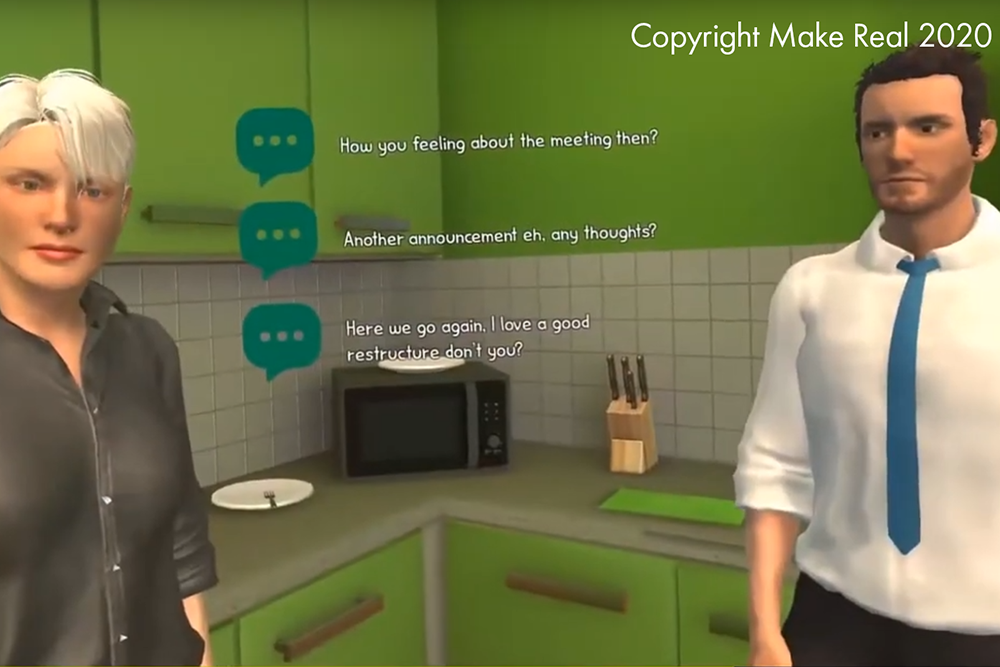
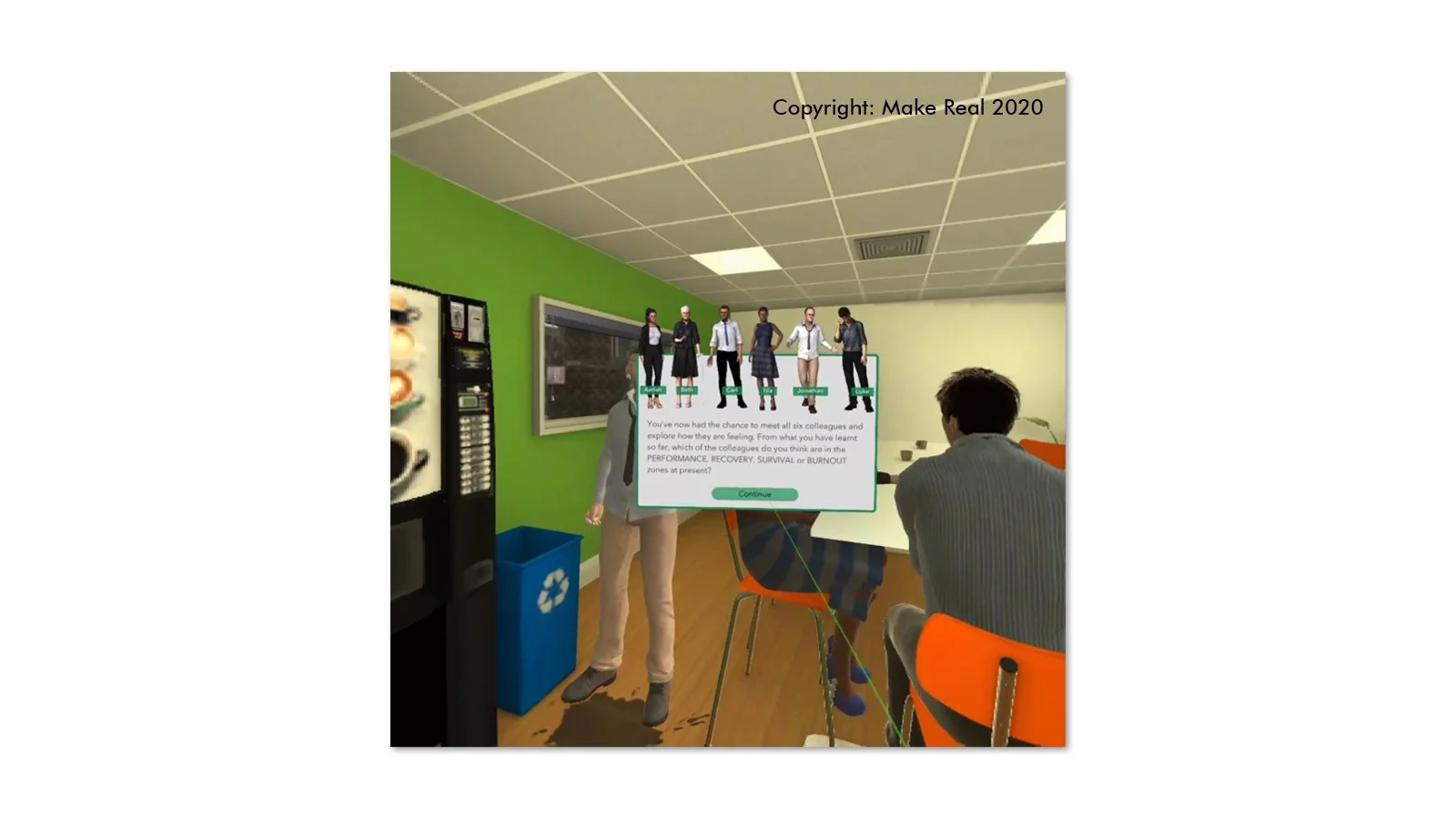
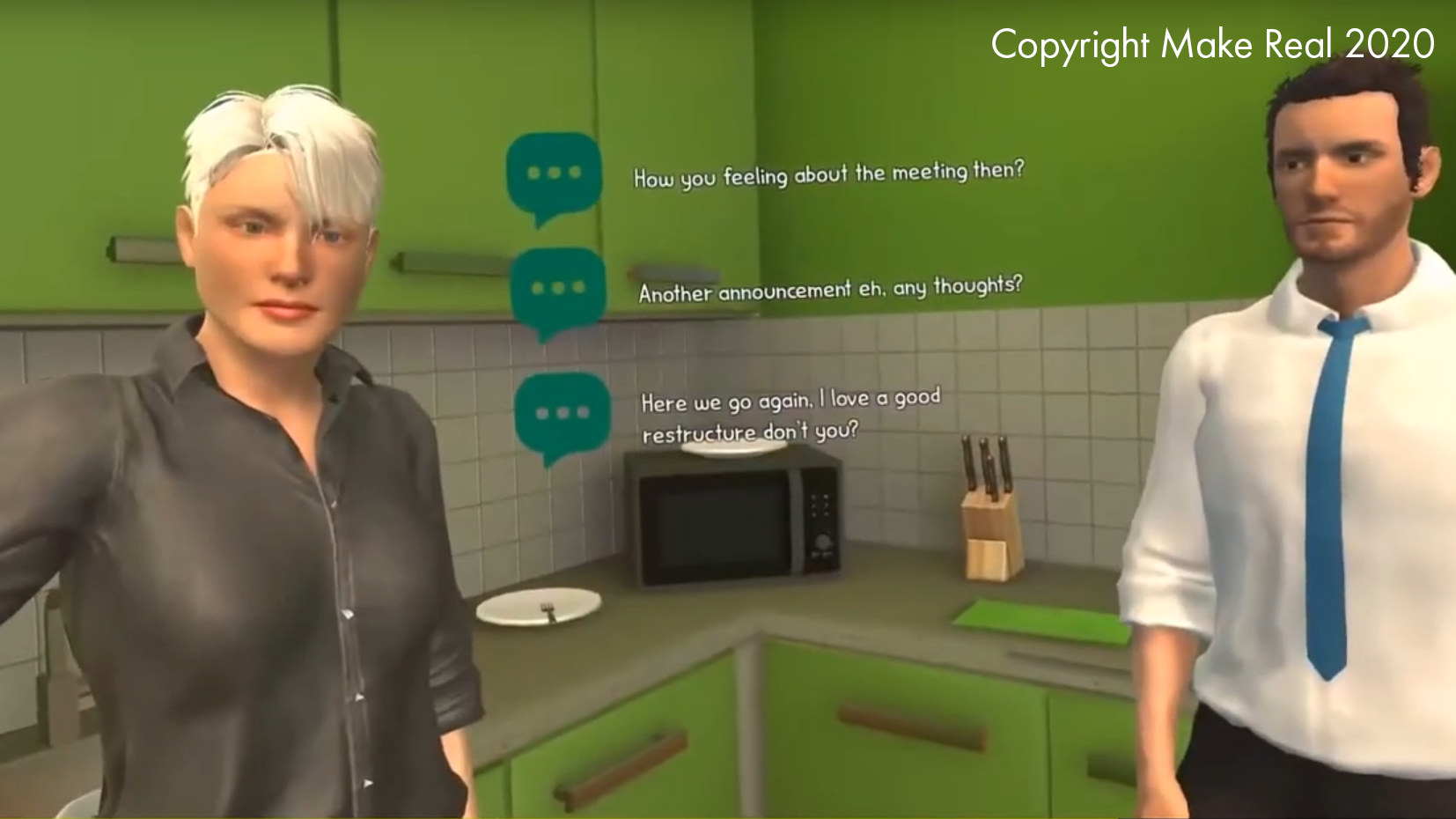
Lloyds Banking Group's Digital Learning Design & Innovation team required development of immersive learning strategy for soft skills training based on VR training solutions. LBG wanted in-house content creation capability and implementation strategy across 600+ sites, including exploration of remote working in VR during early Covid-19 pandemic.
Solution
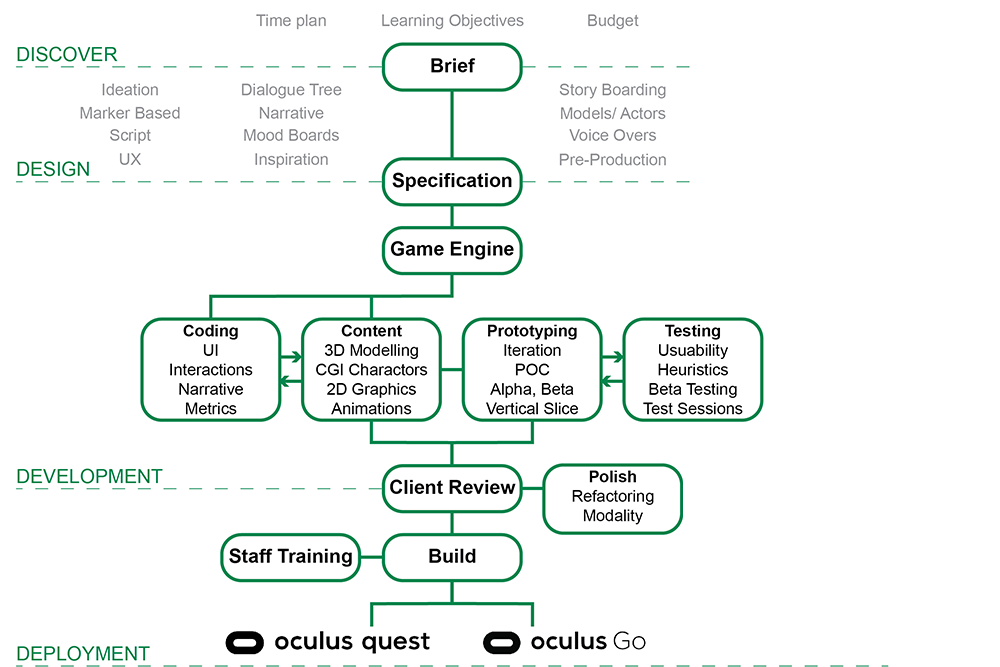
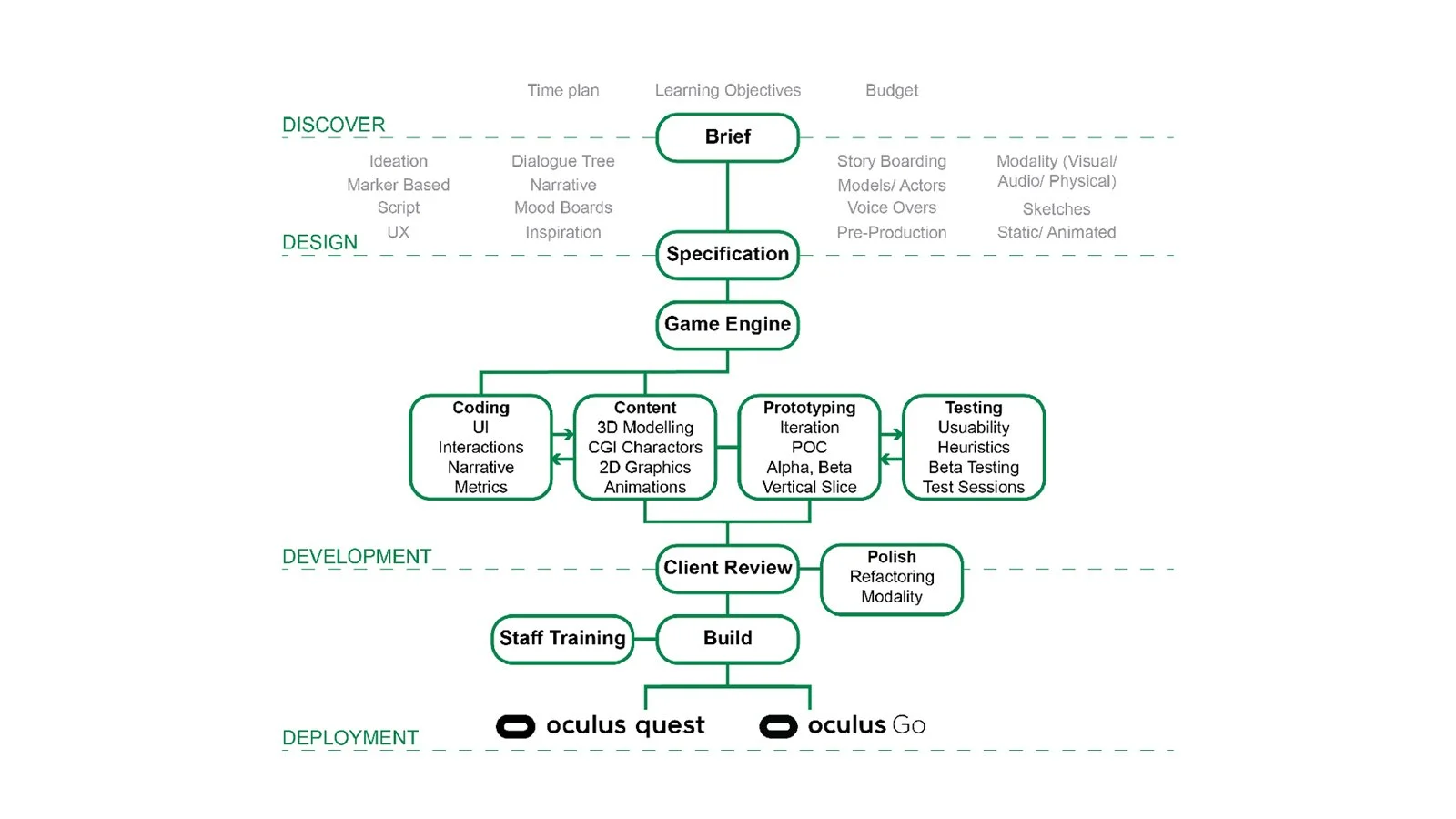
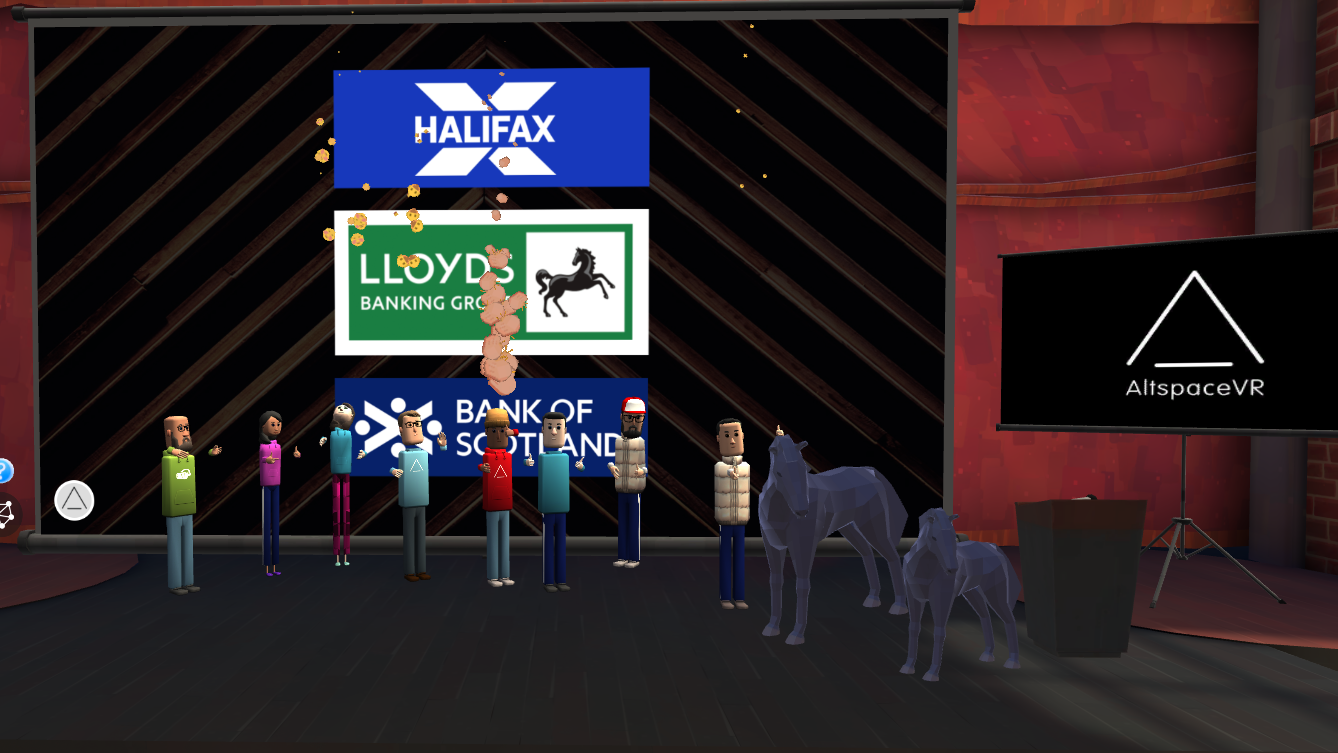
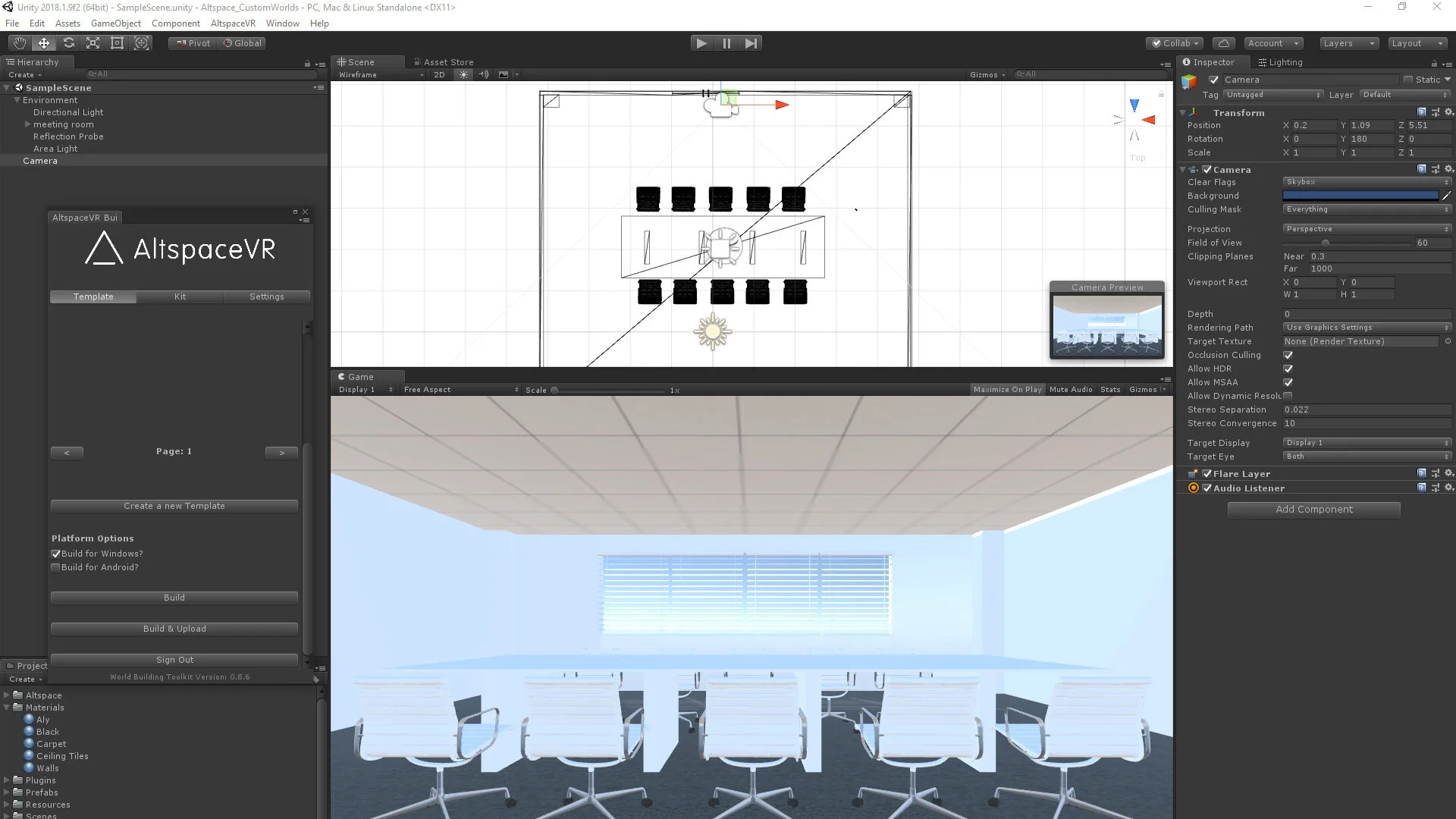
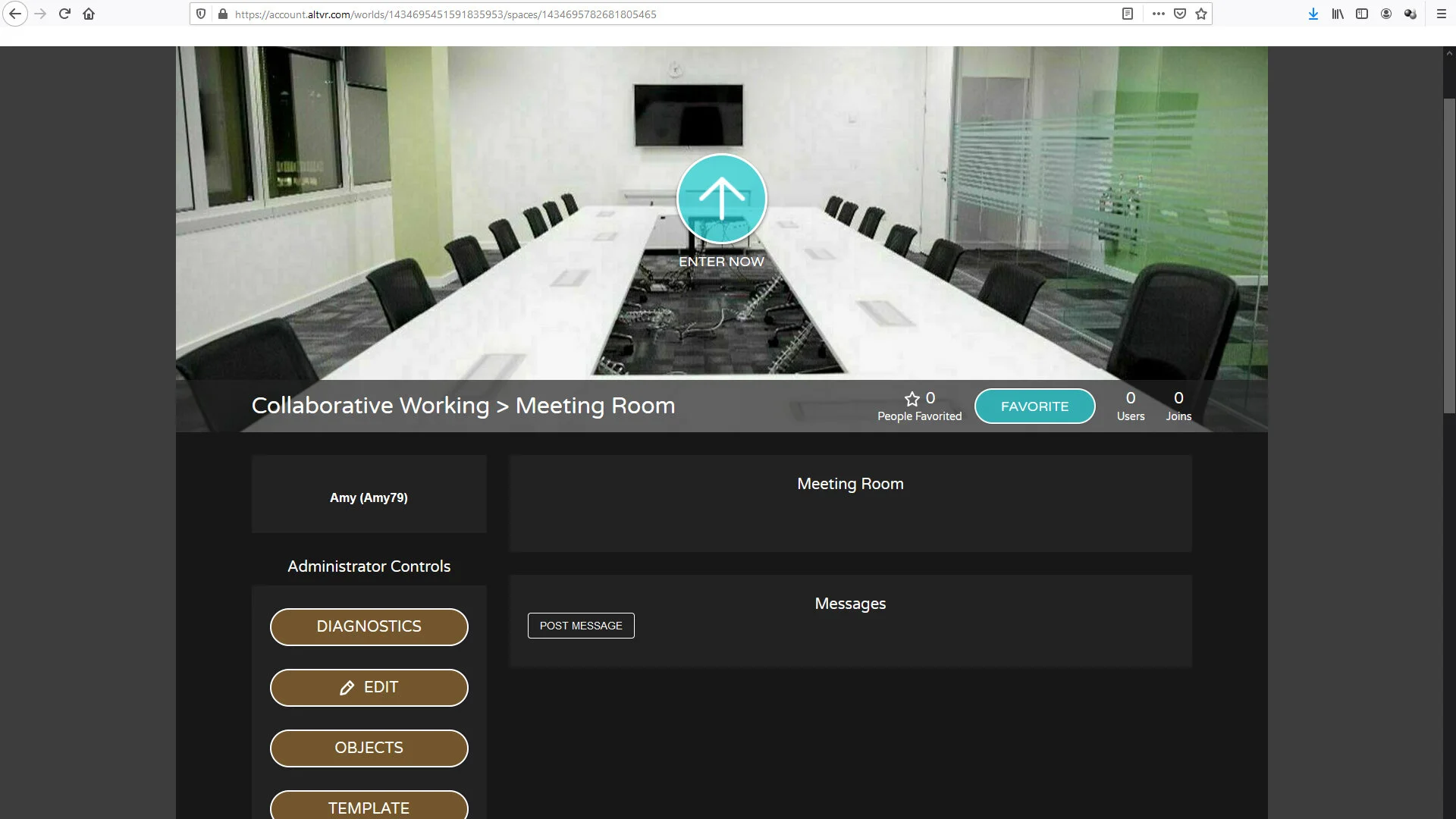
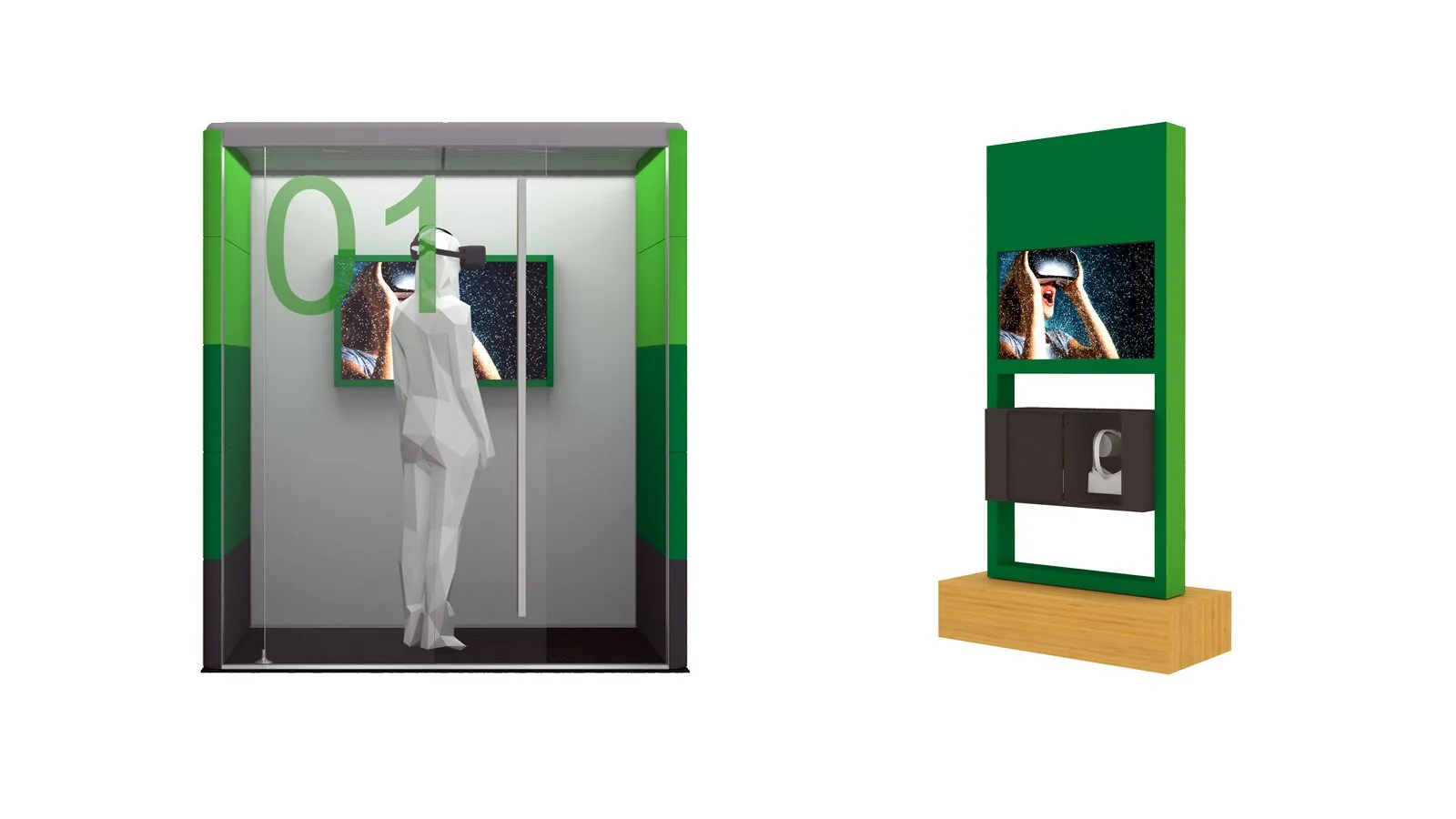
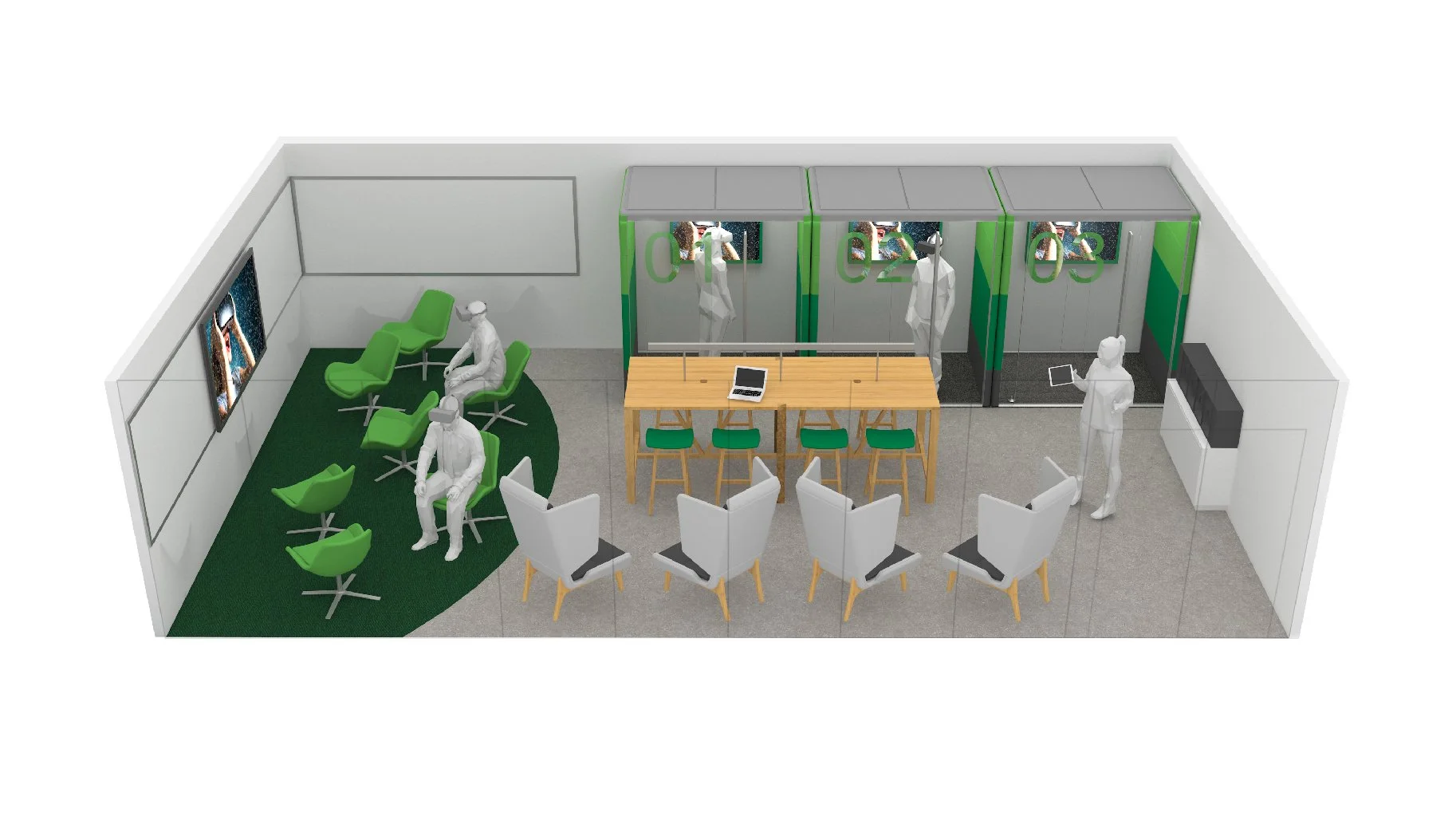
Several workflows were suggested for different immersive technologies, including 360 filming with VR authoring tools such as WondaSpaces VR, Cenario VR, and Viar 360. Simple proof of concept location onboarding scenario was created to evaluate each tool. Implementation strategy proposed VR kiosk solutions for 600+ sites, VR custom booths for training centres, and VR training hub at main sites. During Covid-19 pandemic, remote working potential in VR was explored using platforms such as Altspace.
Outcome
The immersive learning strategy successfully provided LBG with comprehensive roadmap for implementing VR training across enterprise scale. The proof of concept demonstrations enabled informed decision-making about content creation tools. The implementation proposals addressed both physical infrastructure and remote working scenarios, demonstrating adaptability during pandemic conditions.
Copyright: Lloyds Banking Group
Art of Shadows
Prototyping Haptic Storytelling Through Hand Tracking Technology
Challenge
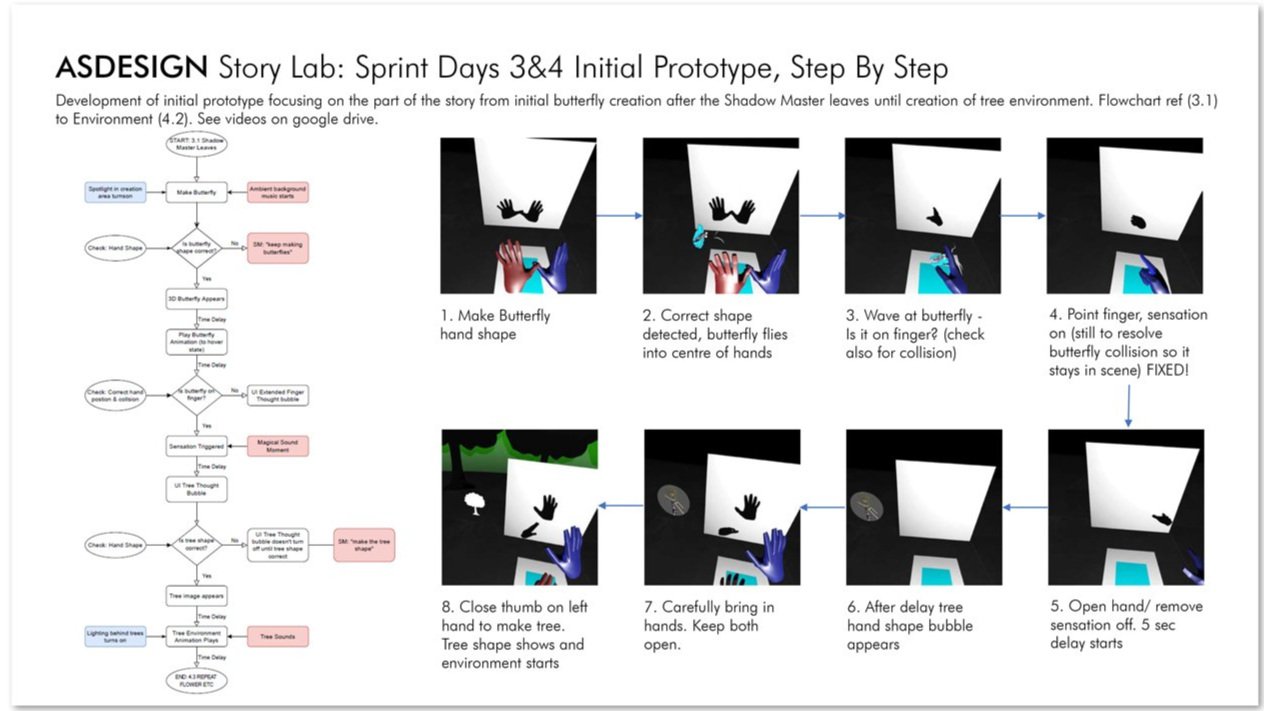
Ultraleap required development of an educational VR experience teaching hand shadow puppetry traditions through interactive learning. The challenge was designing an intuitive learning system using gesture recognition that would enable students to learn ancient art form through natural hand movements, combining visual, audio, and haptic feedback.
Solution
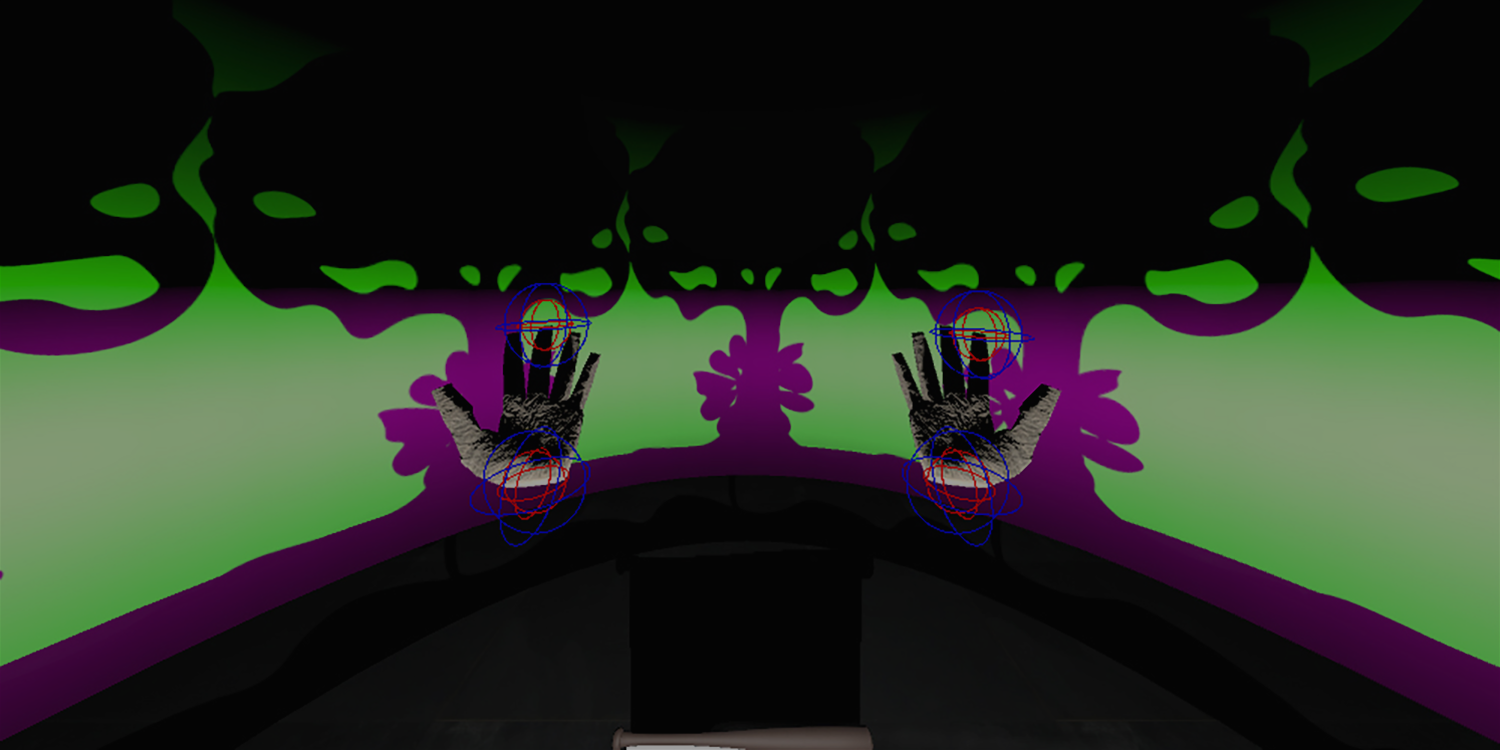
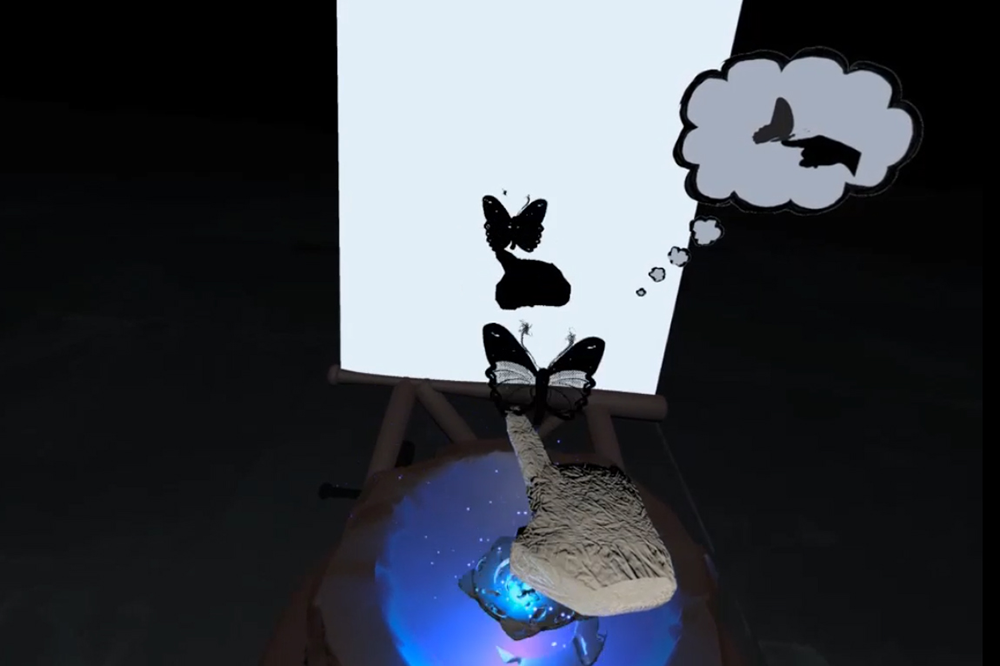
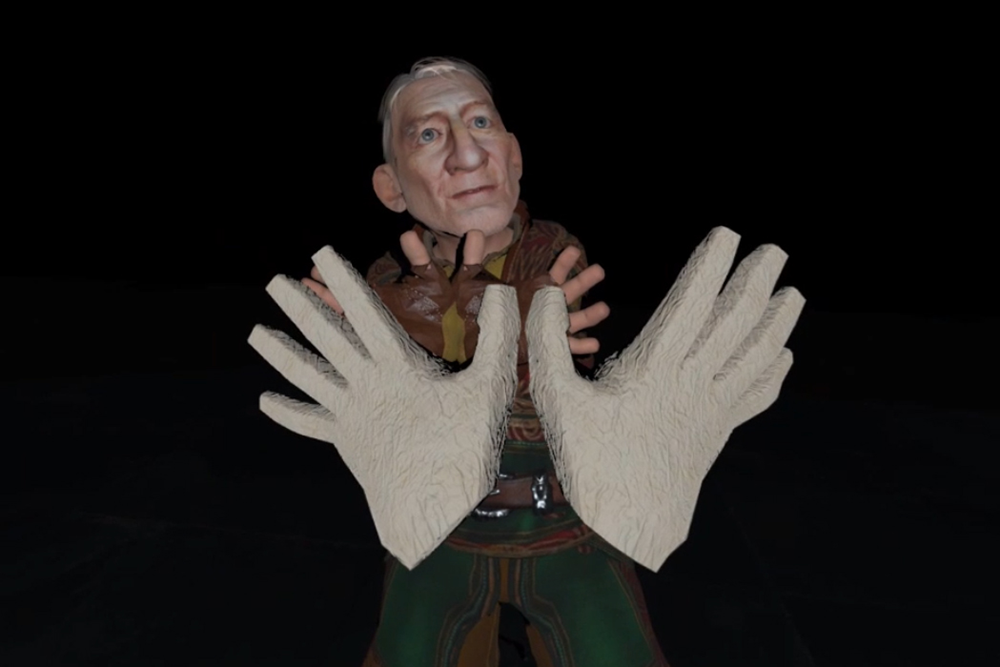
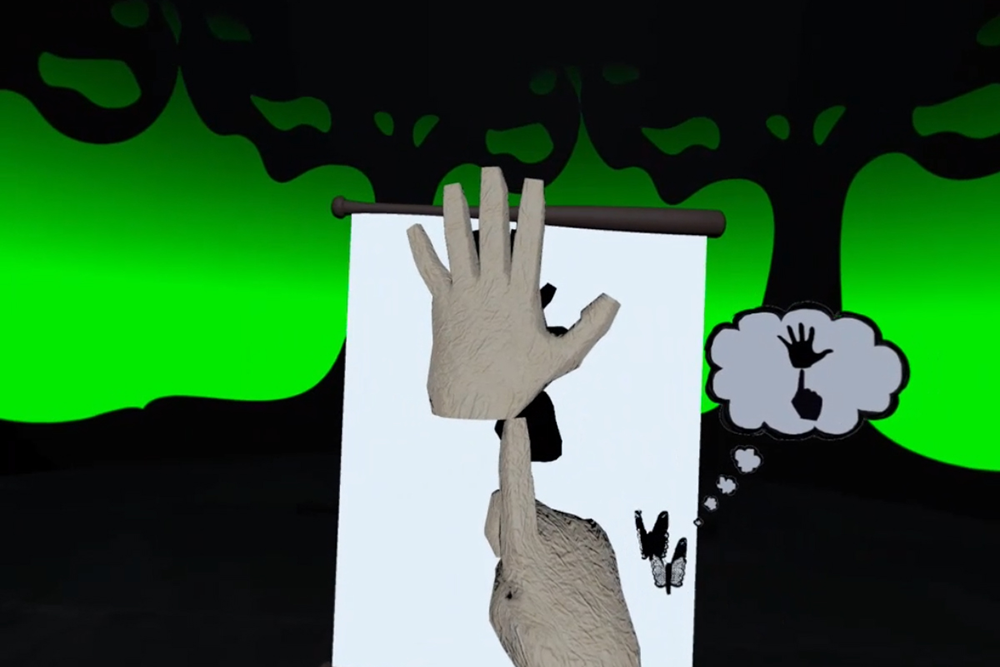
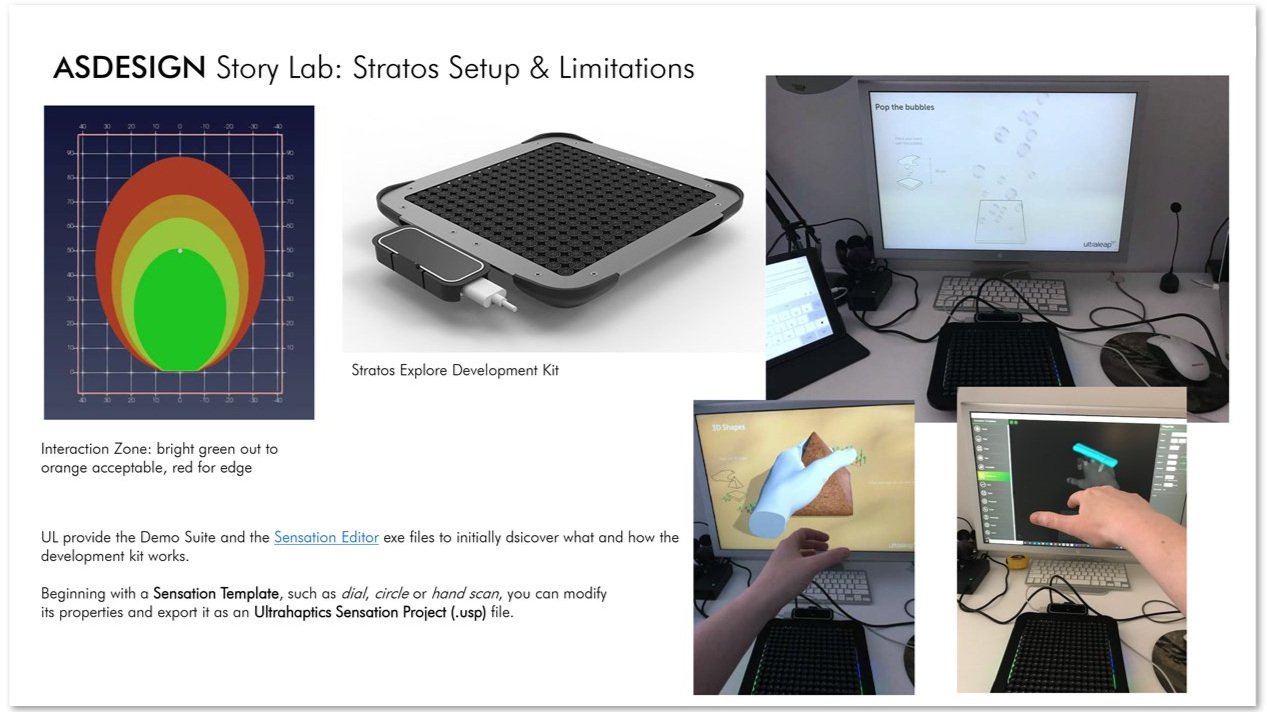
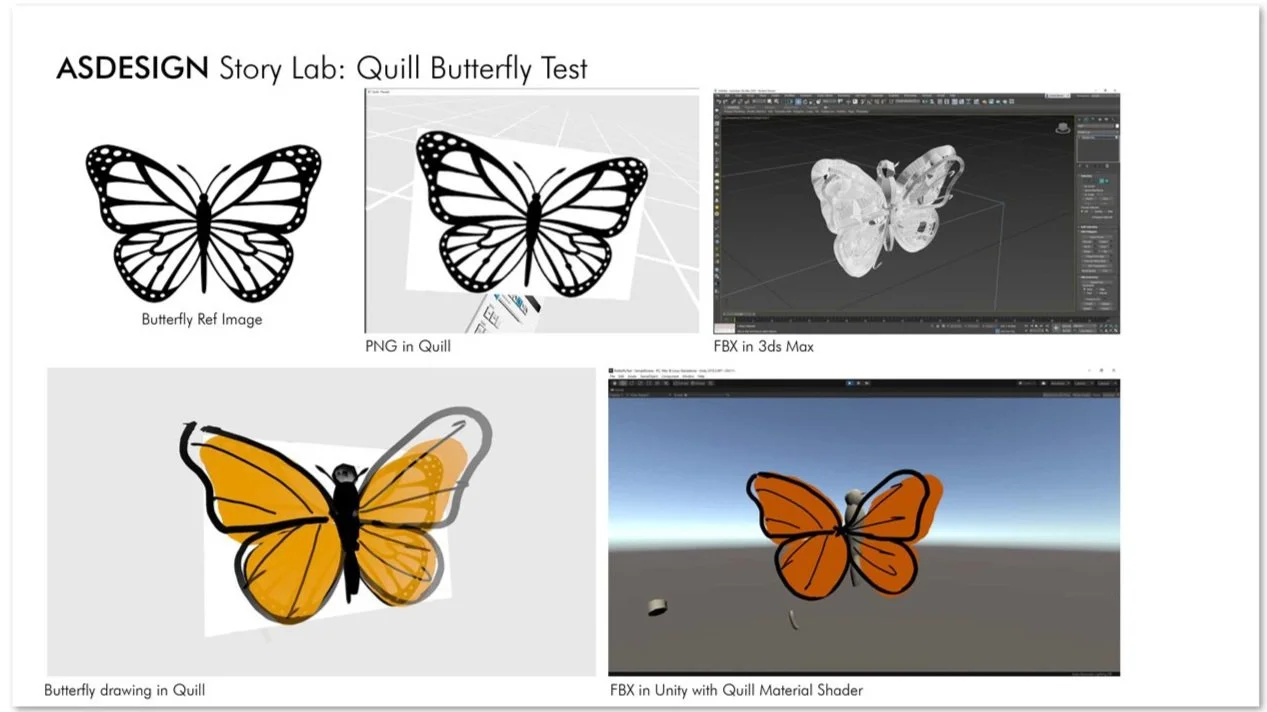
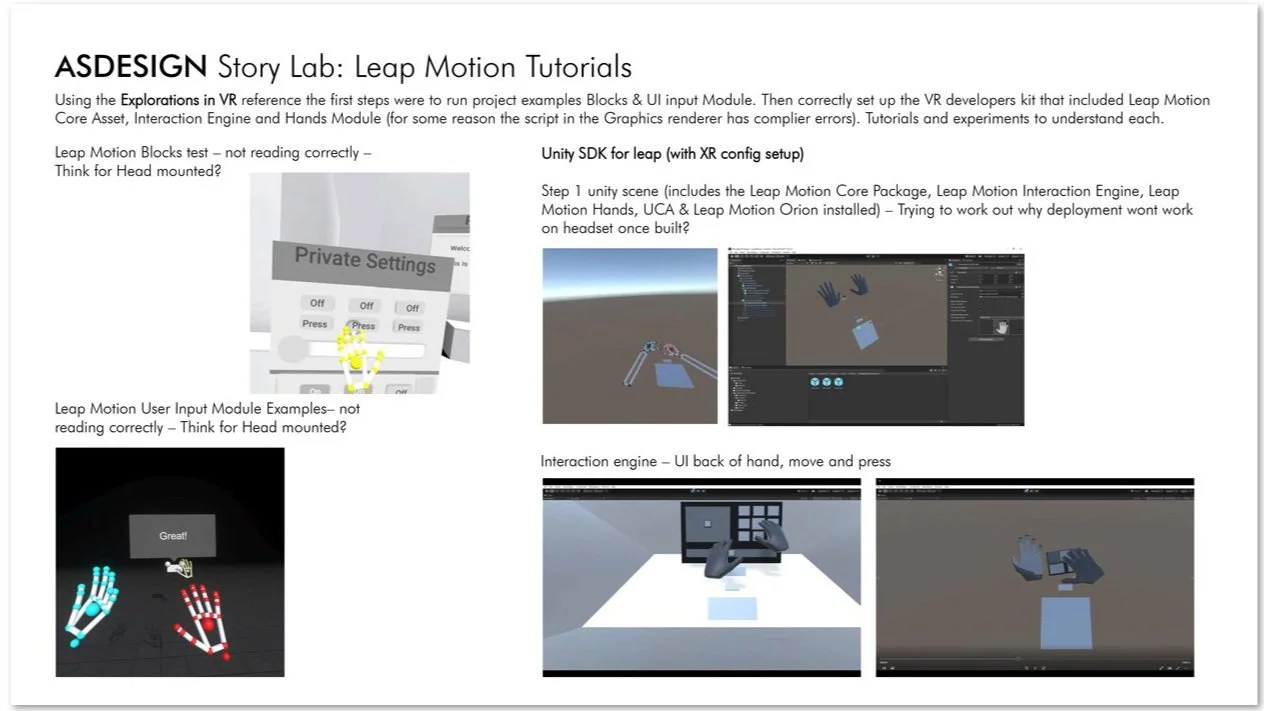
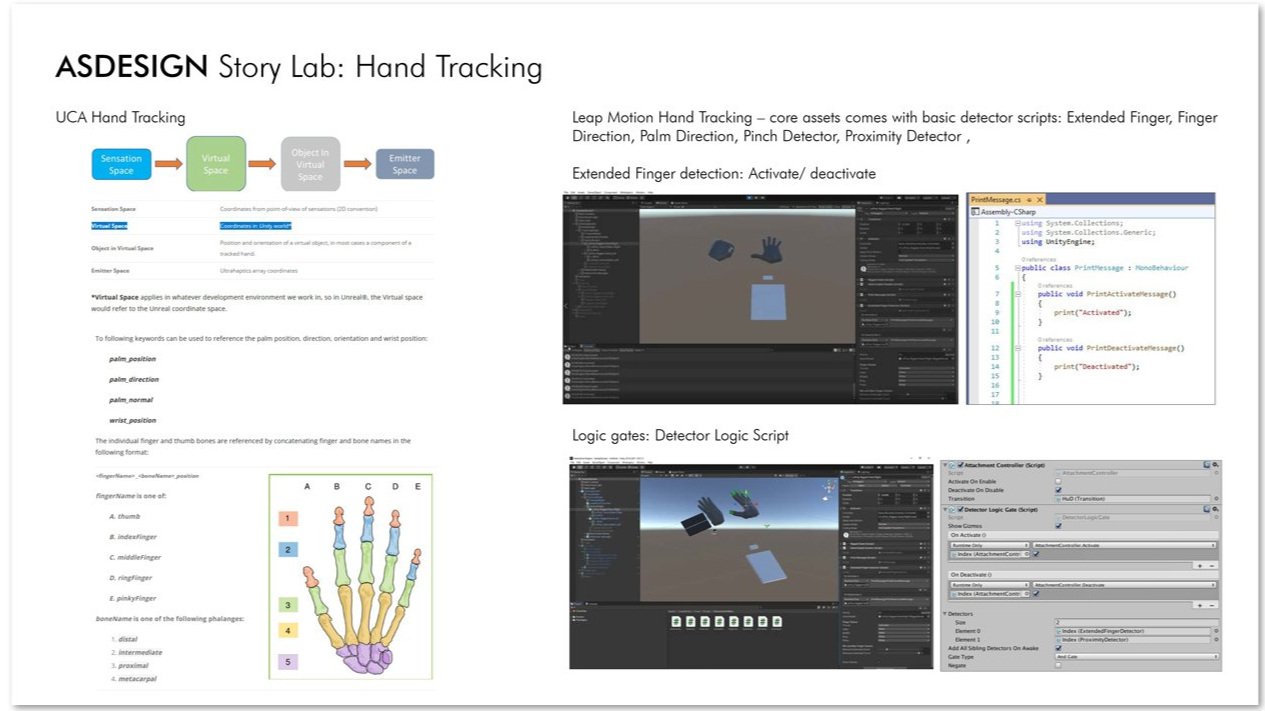
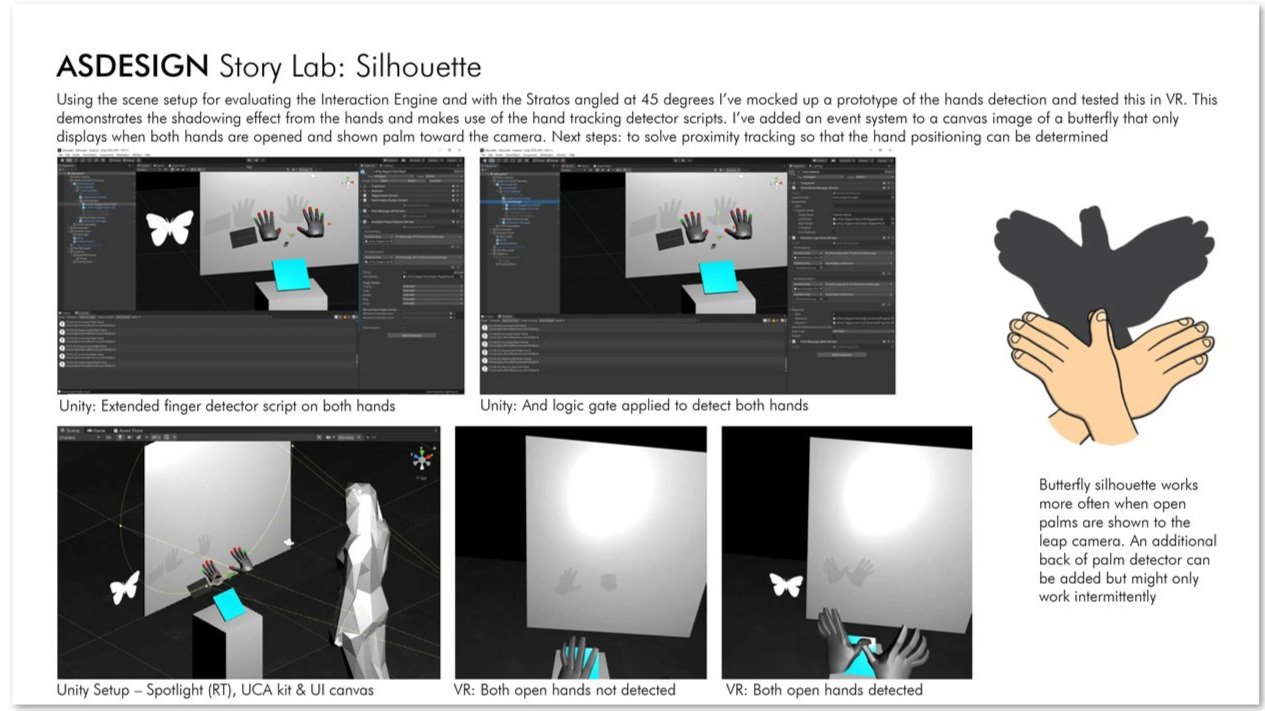
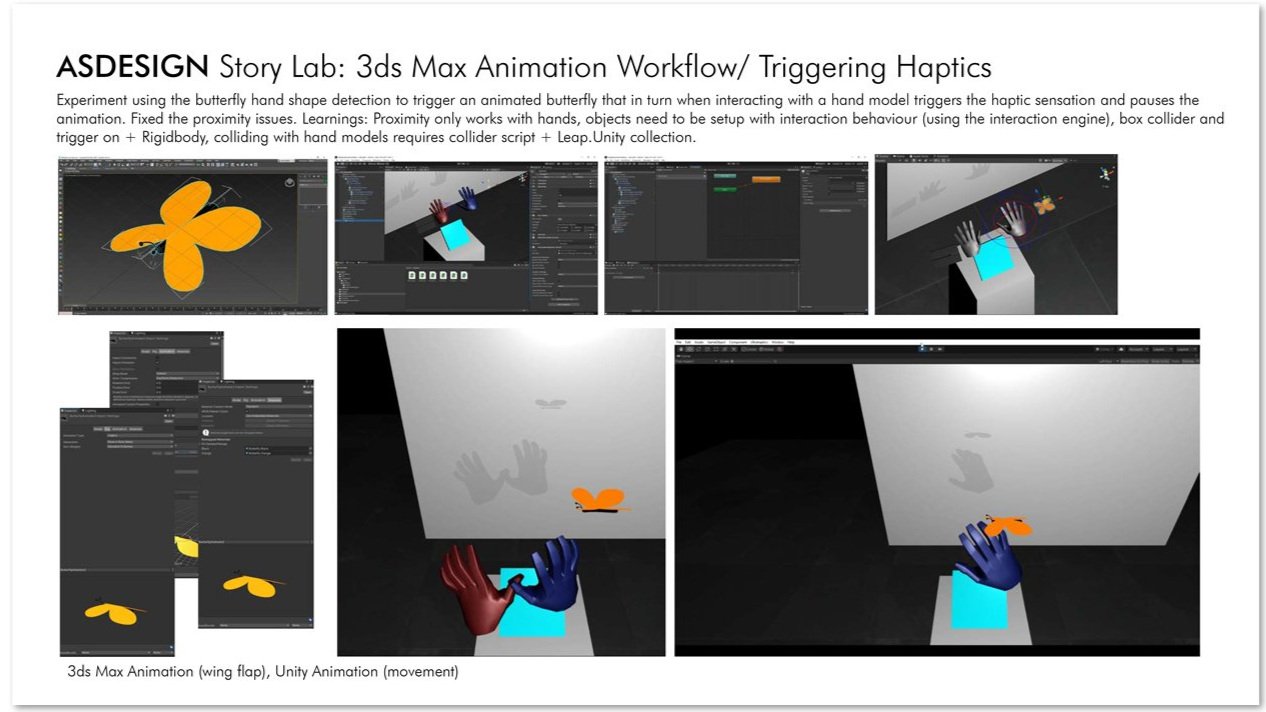
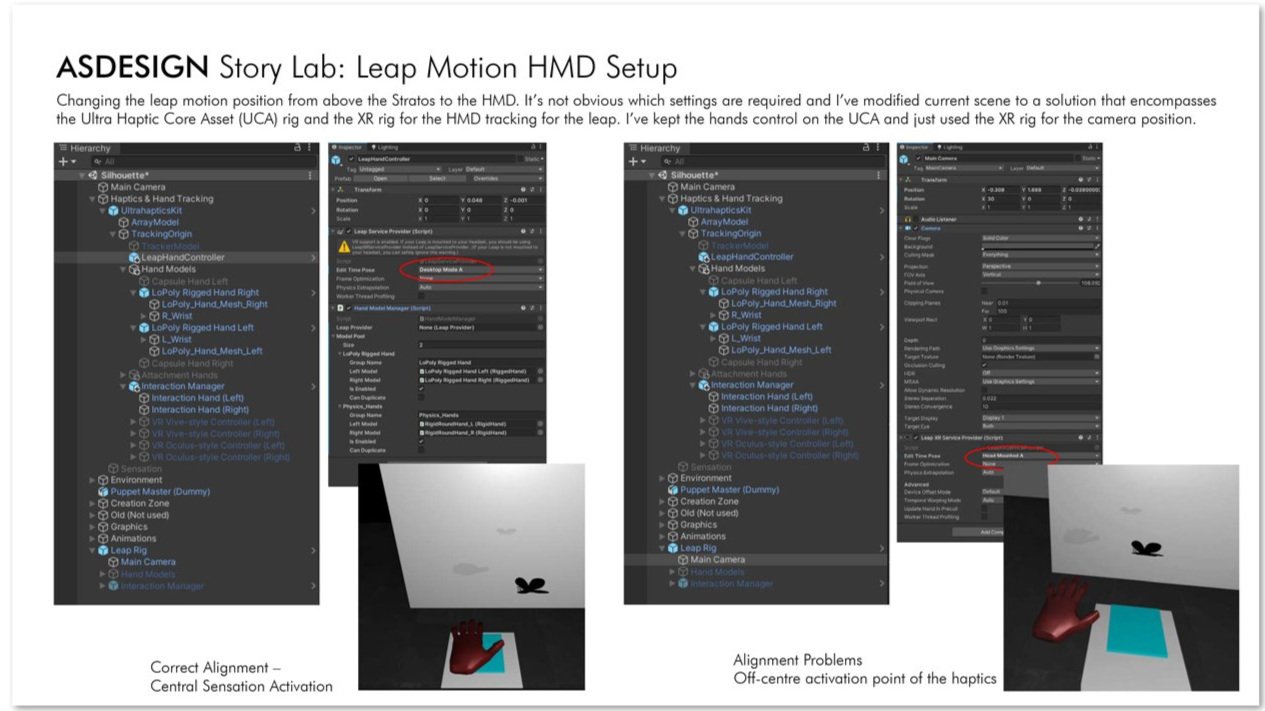
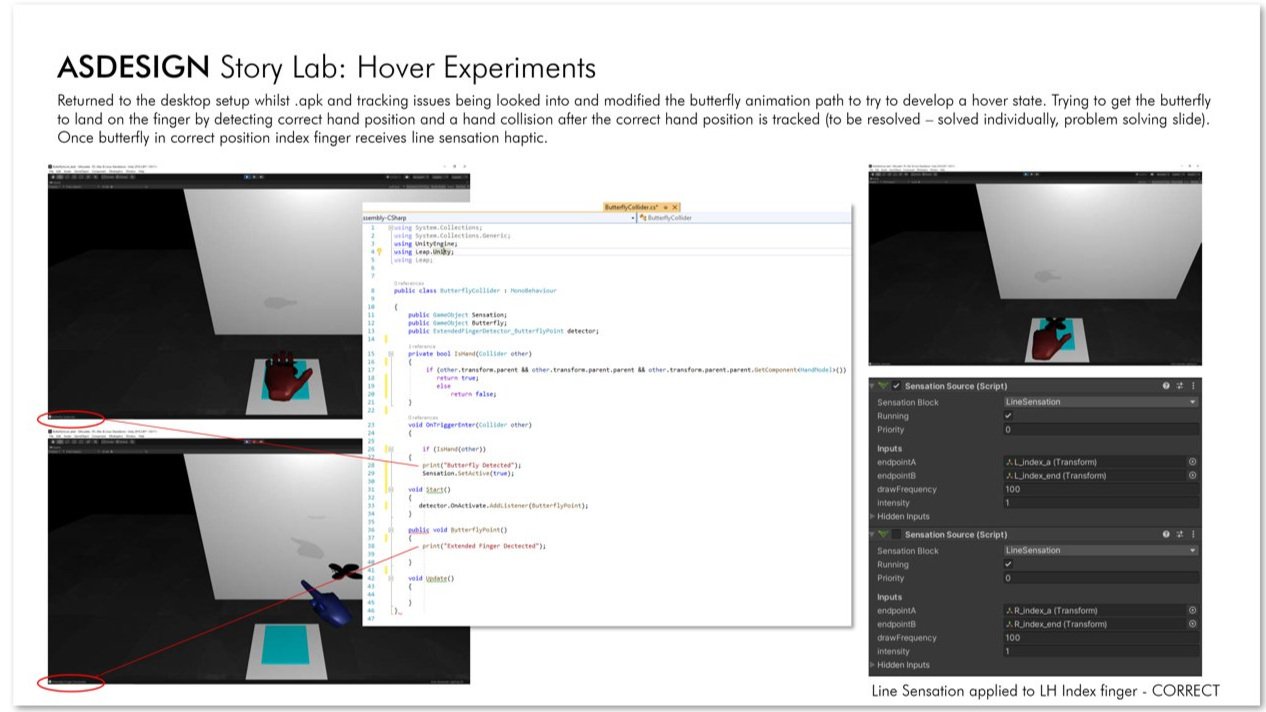
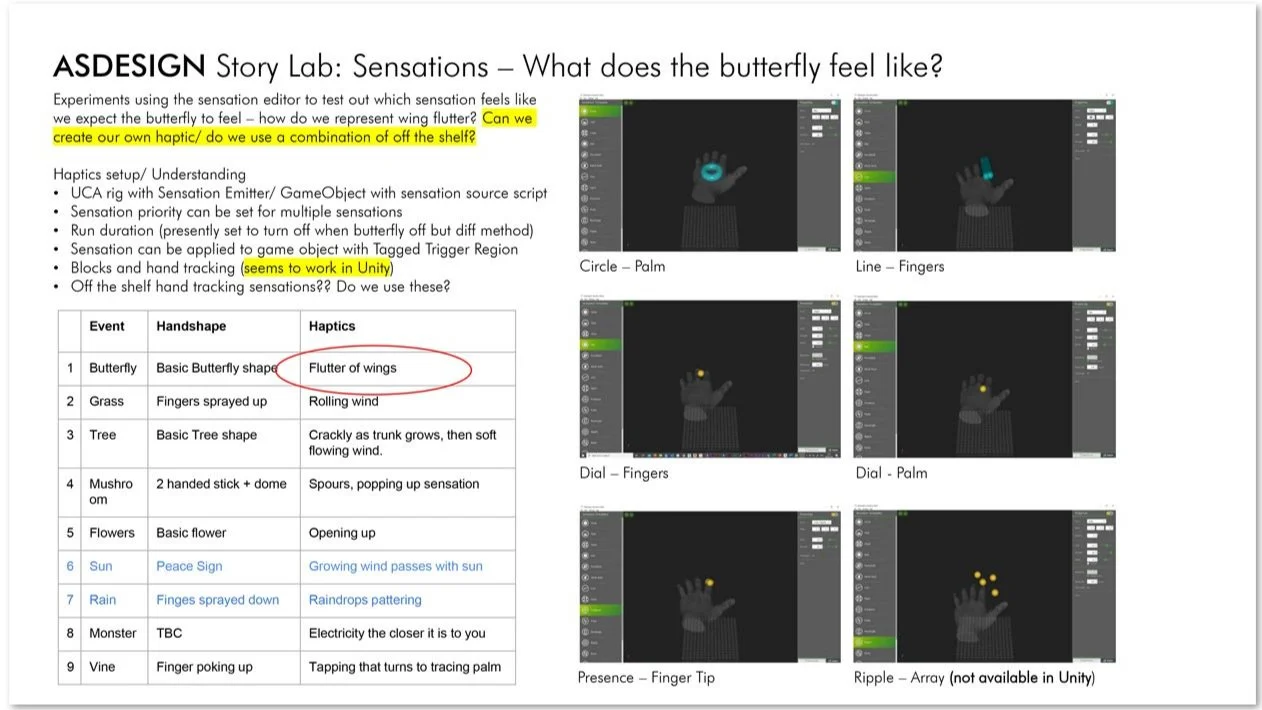
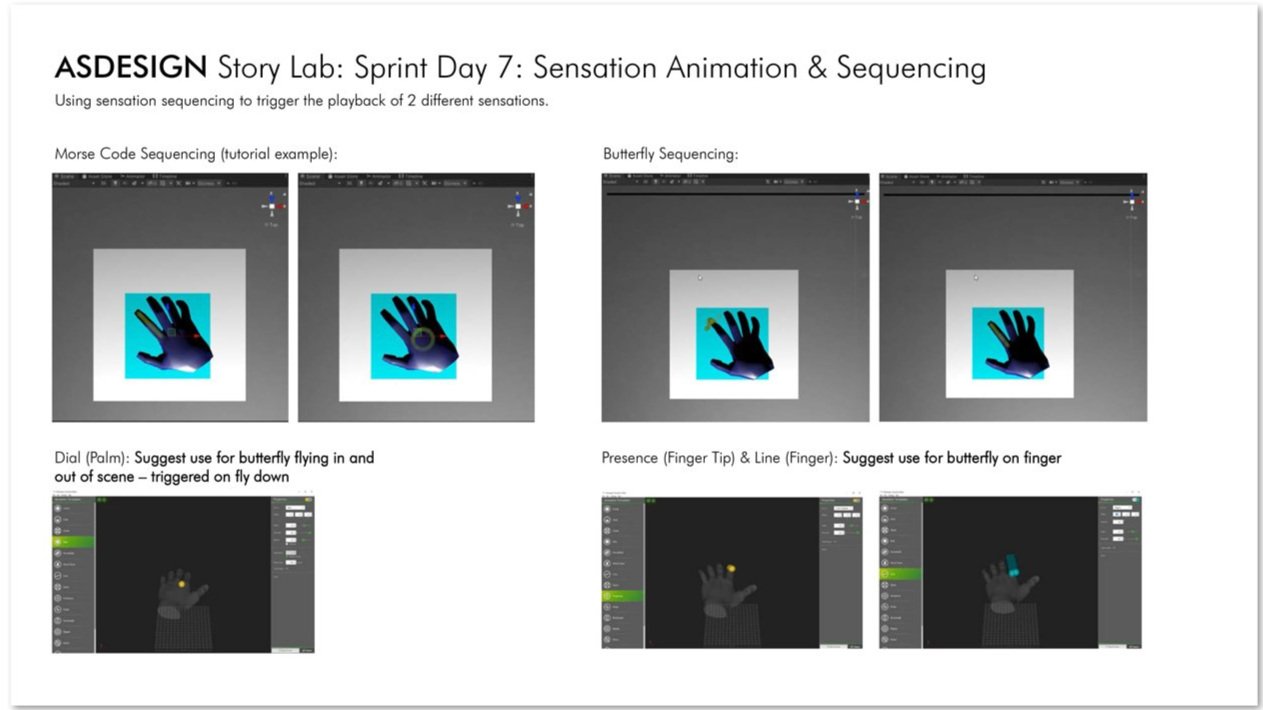
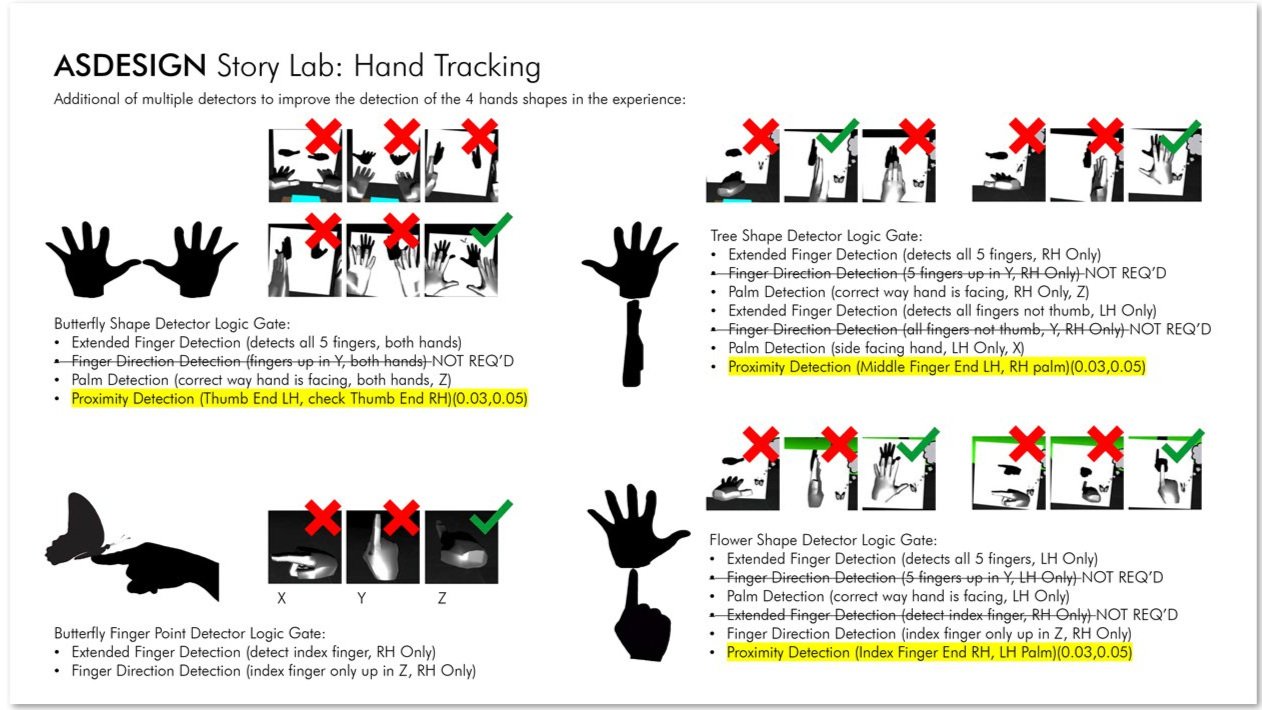
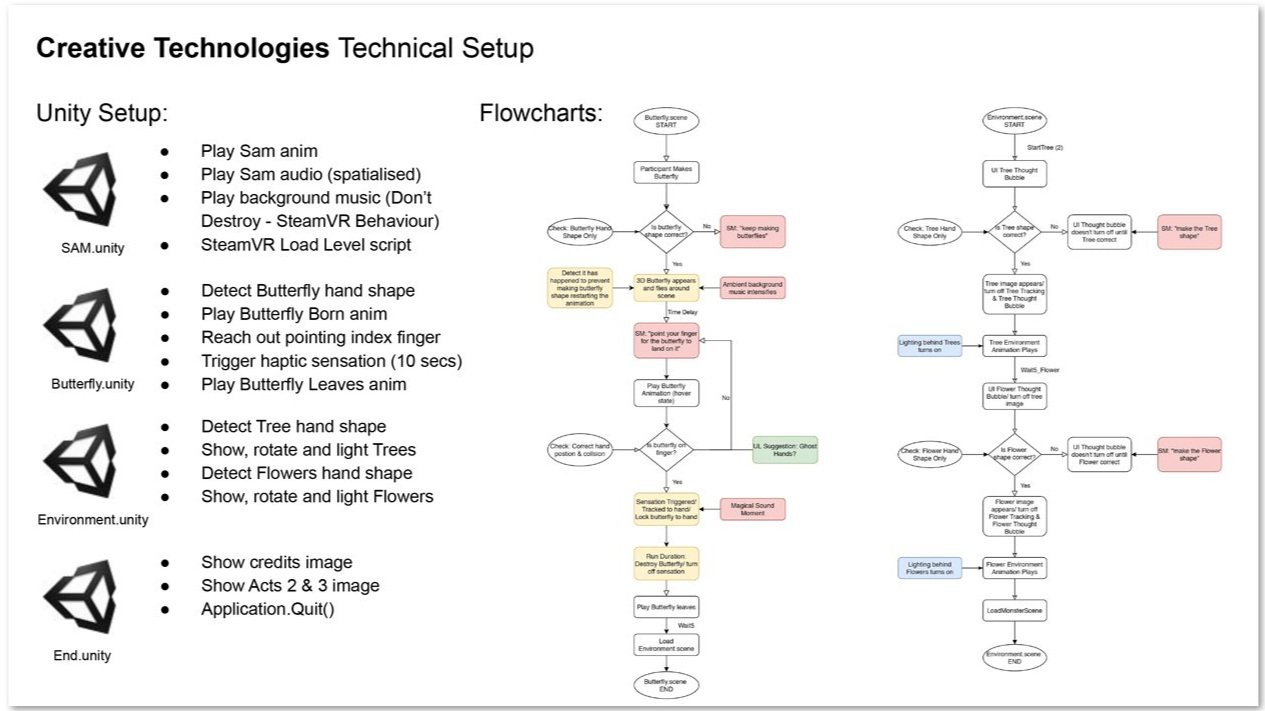
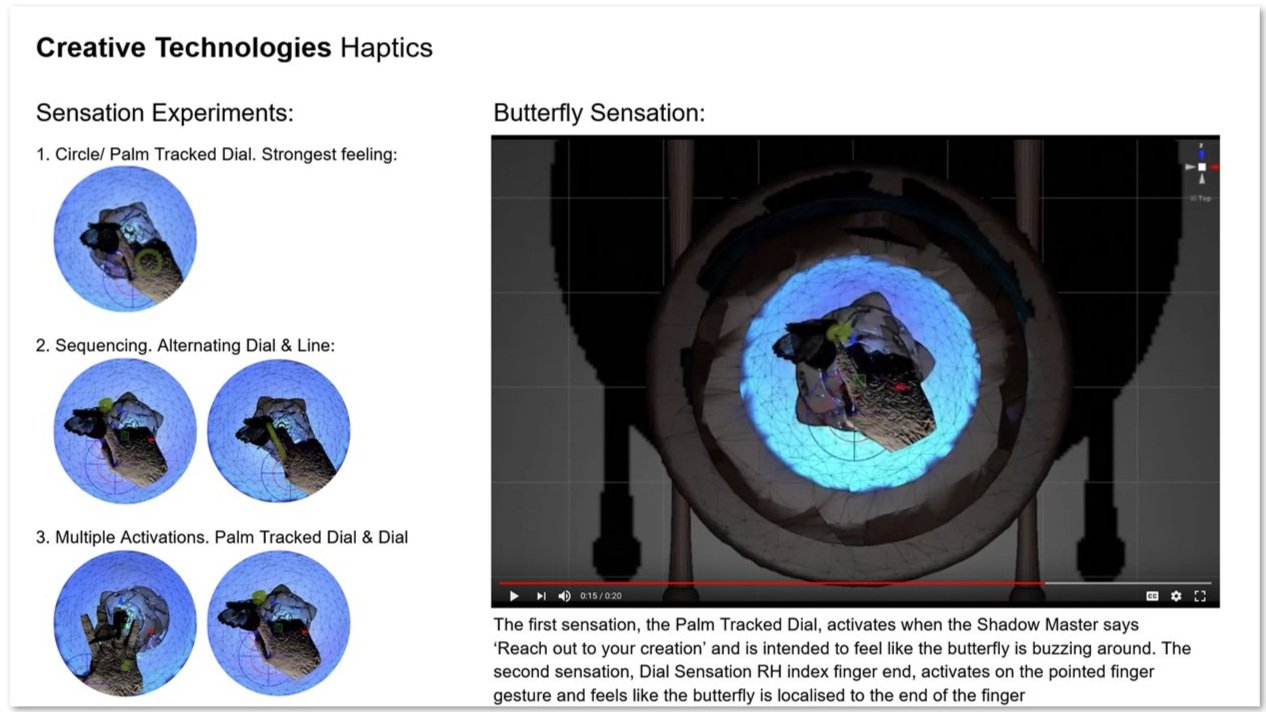
An interactive learning environment was designed in Unity featuring demonstration and practice spaces. Custom hand shapes were designed for Butterfly, Tree, and Flower gestures, tracked using Leap Motion controller. Haptic feedback was implemented using Stratos Explore device to reinforce learning through tactile sensation, simulating butterfly landing on finger.
Outcome
The Art of Shadows VR successfully demonstrated how gesture-based interaction design could create engaging educational experiences for teaching traditional art forms. The multi-sensory learning approach proved effective for skill acquisition. A comprehensive research paper documented the learning design process for future haptic-enhanced educational VR development.
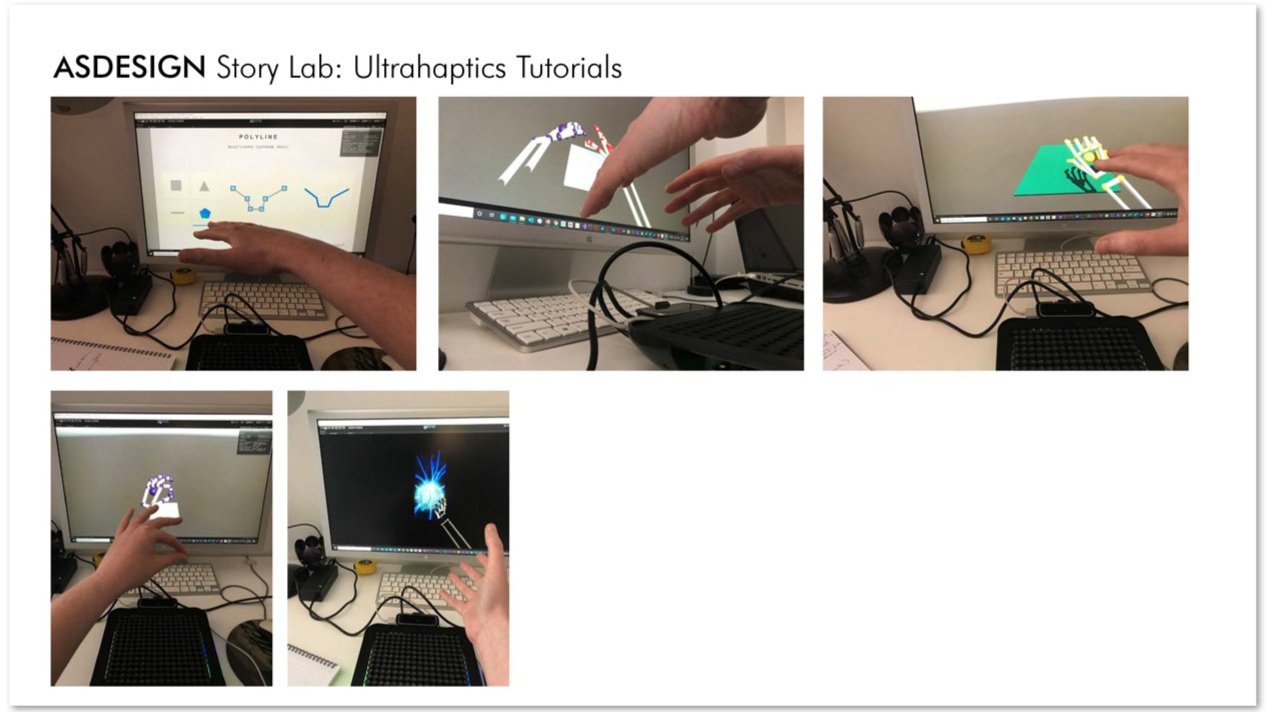
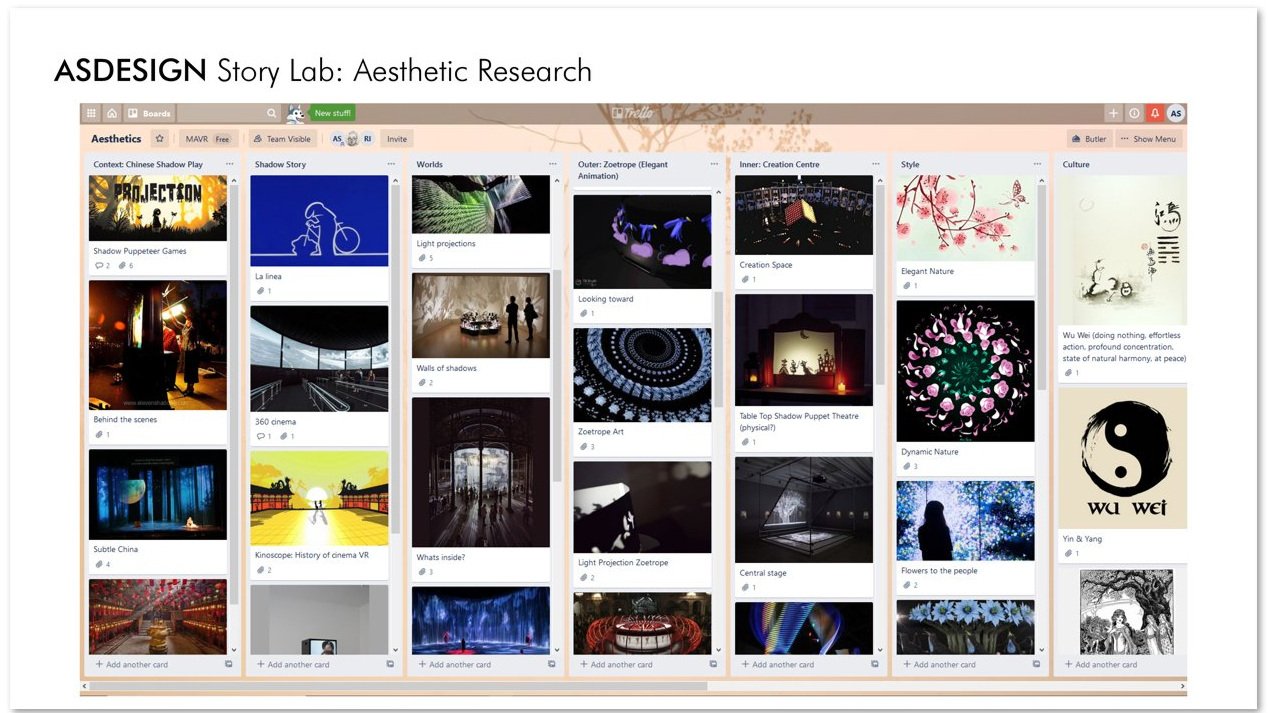
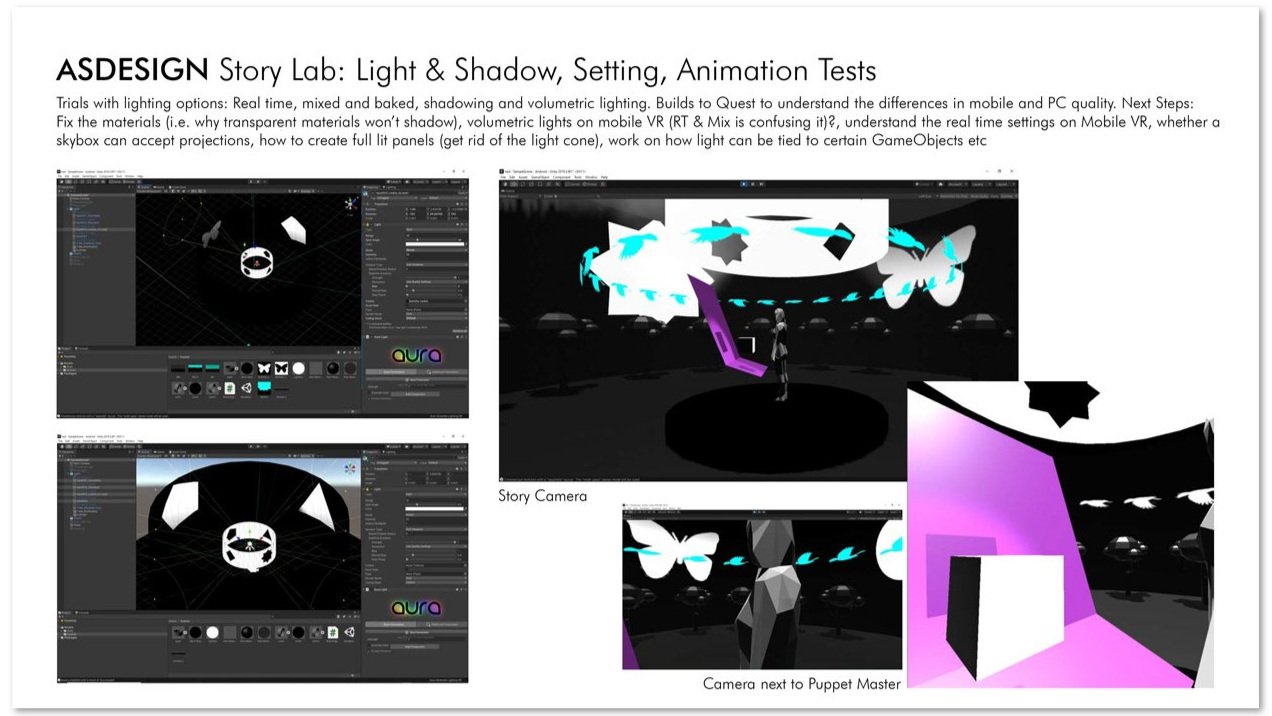
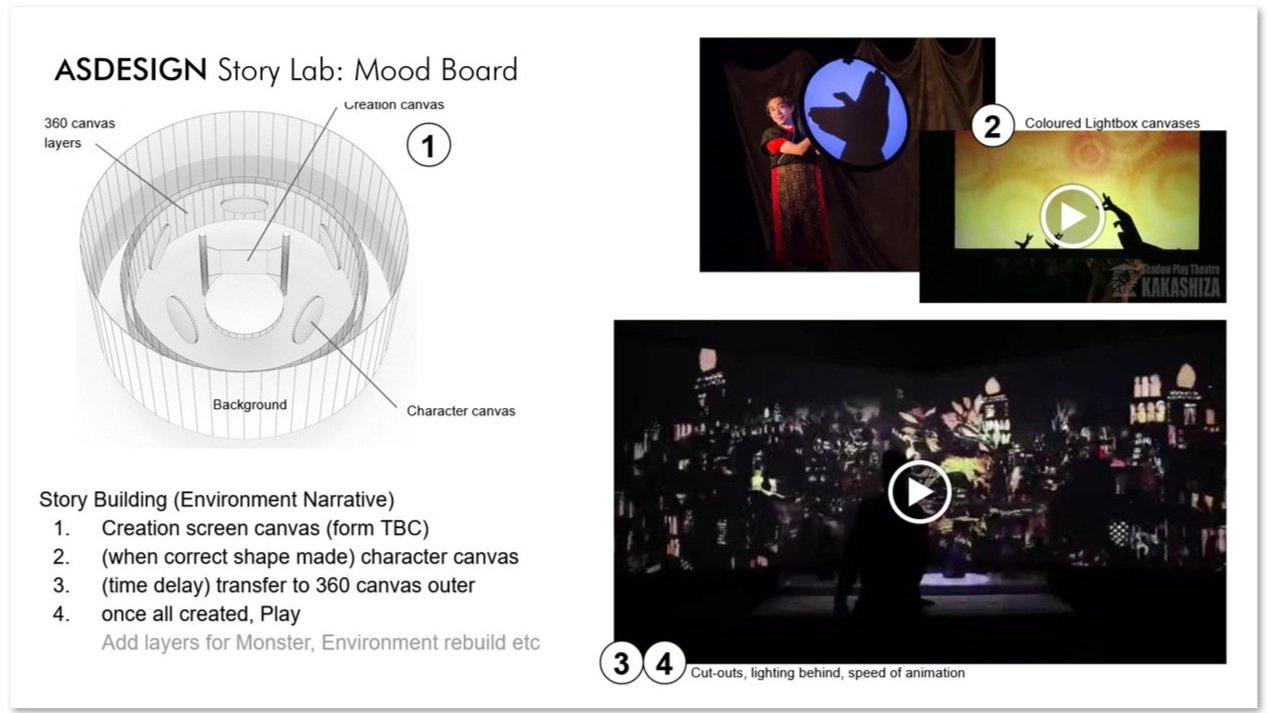
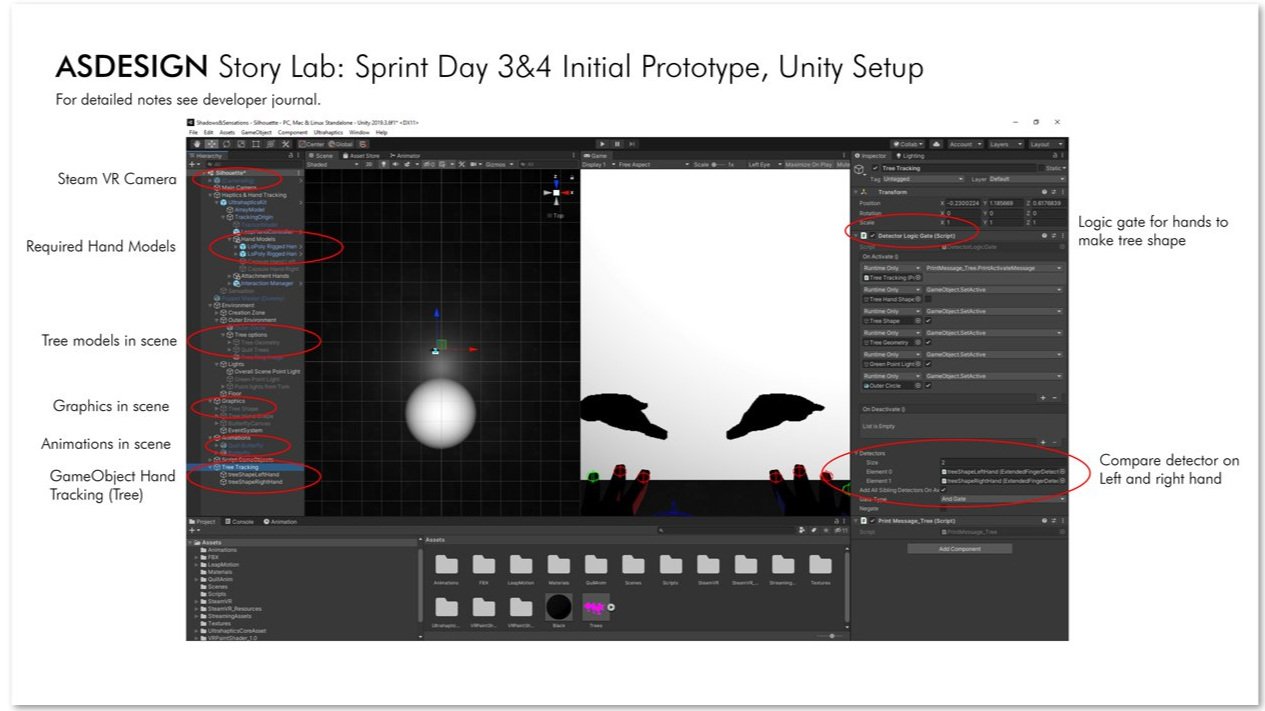
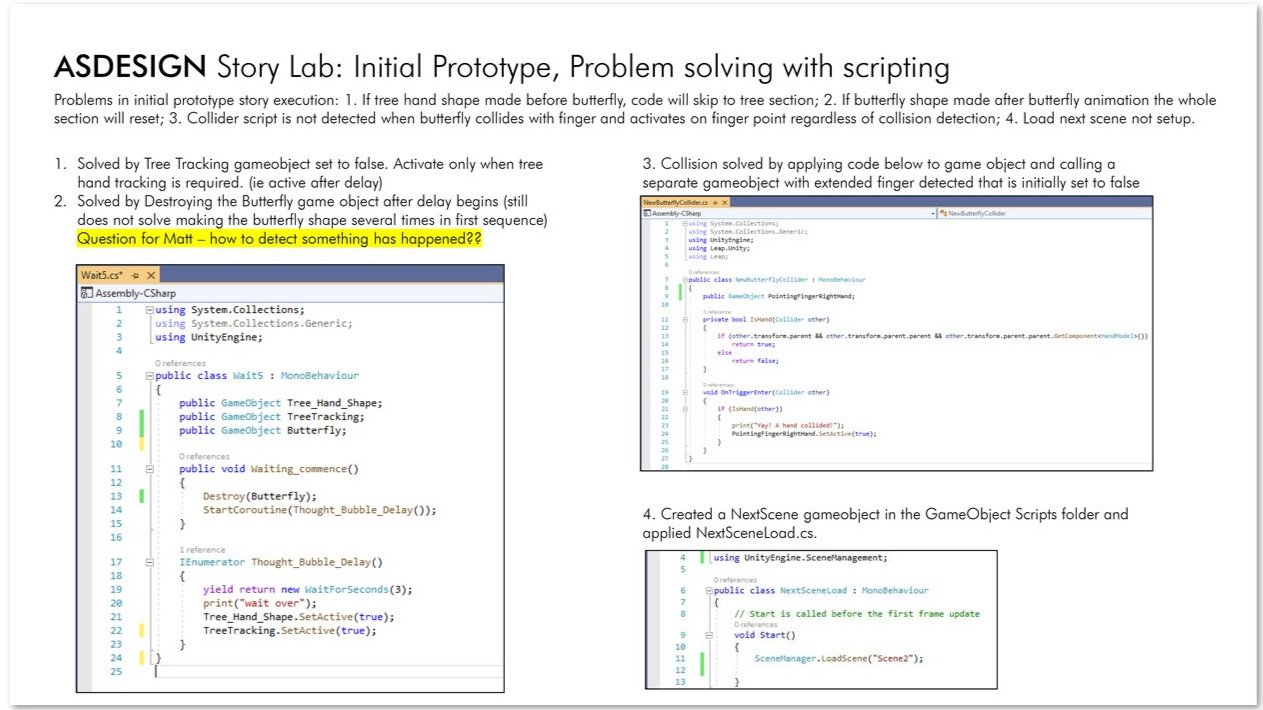
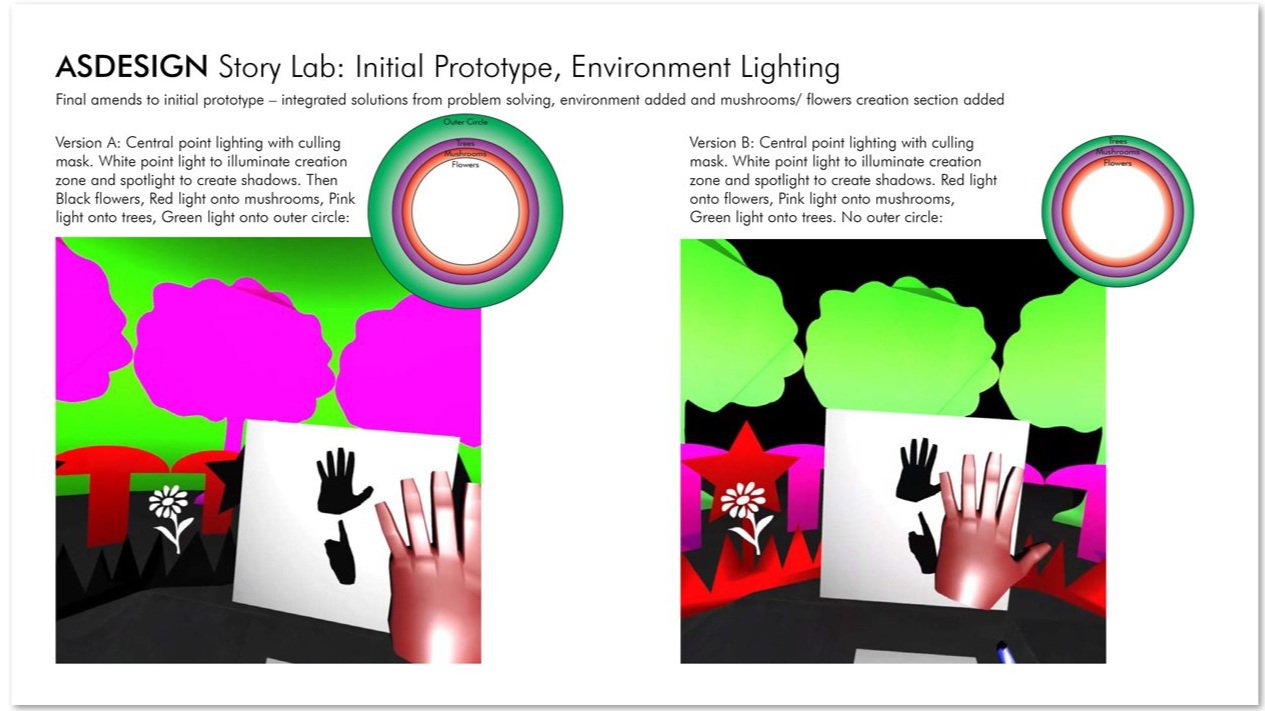
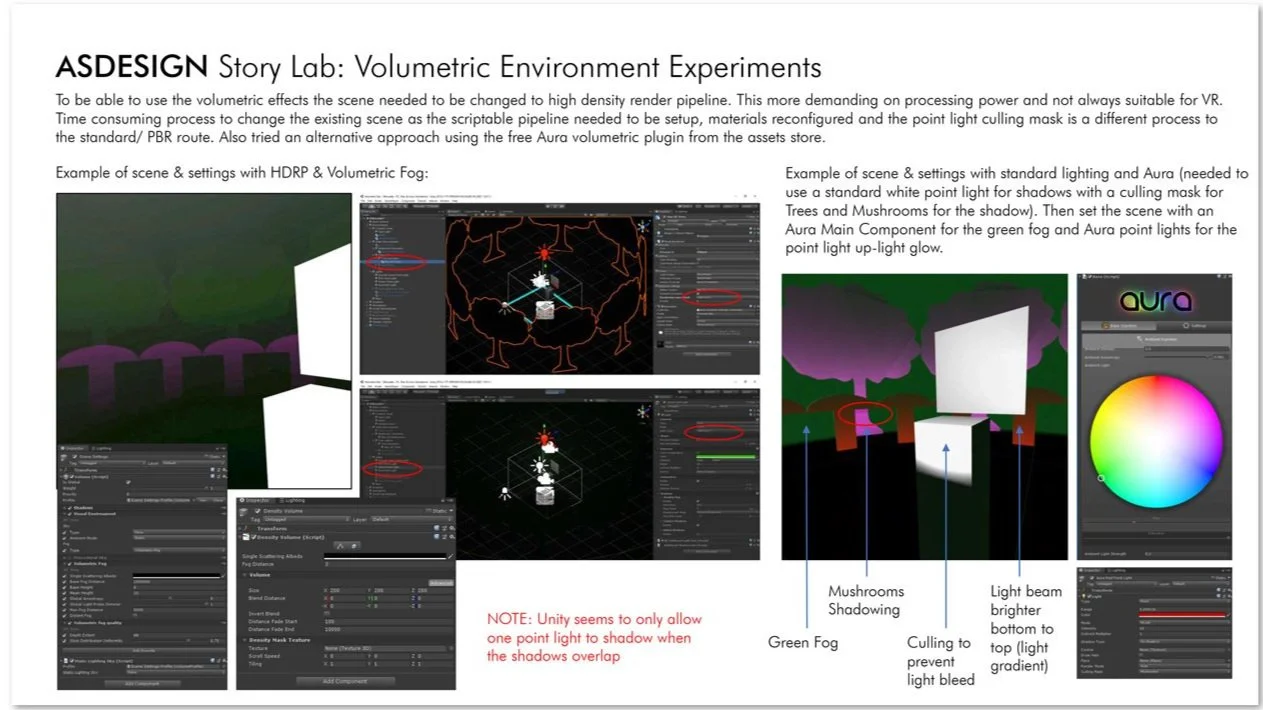

Copyright: Ultraleap
Sales Demonstrator
Making Invisible Chemical Processes Visible Through Augmented Reality
Challenge
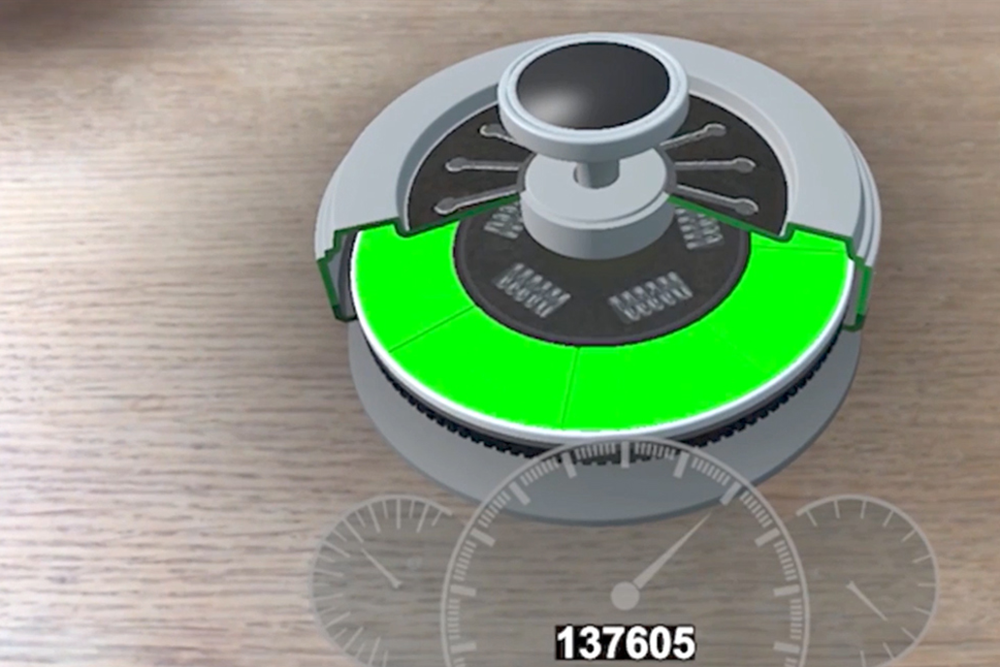
An augmented reality demonstration tool was required communicating friction modifiers' complex benefits in transmission fluid and visualising component protection levels throughout lifecycle mileage. Invisible chemical processes needed to be visible and comprehensible to non-technical audiences, creating interactive AR experience deployable across Android and iOS platforms.
Solution
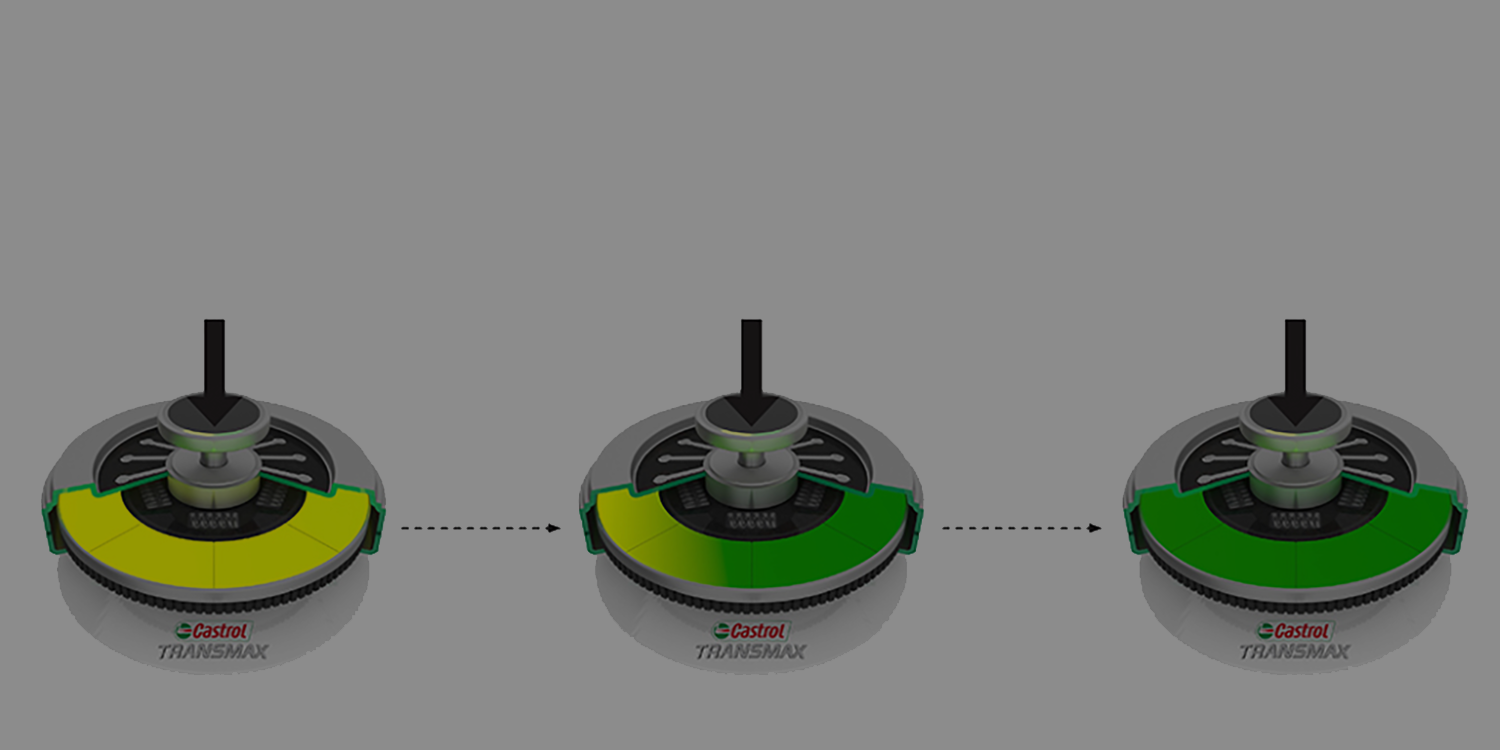
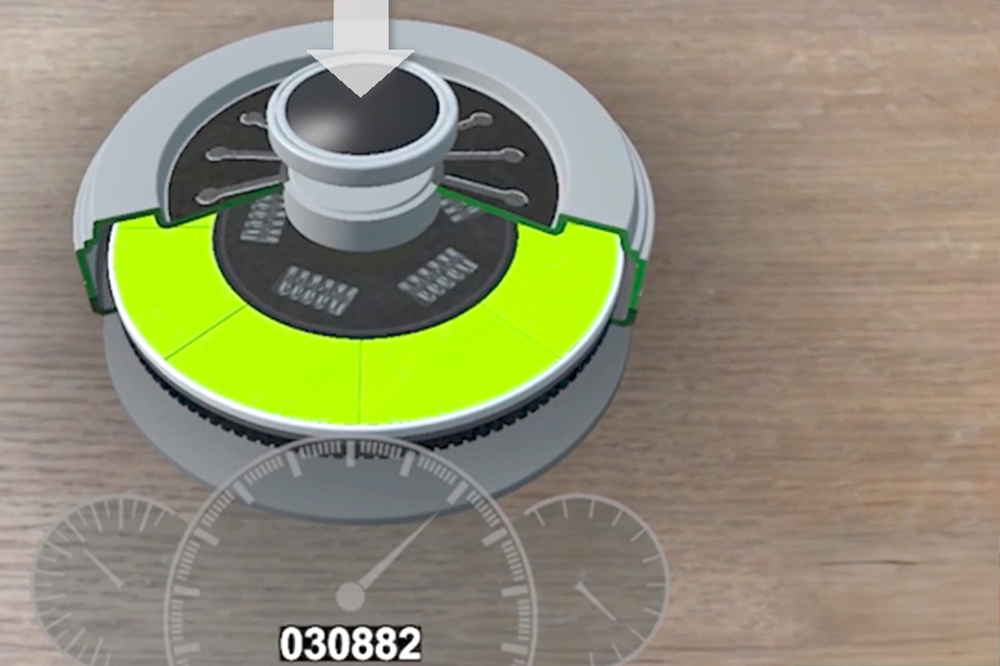
A clutch-based AR demonstration was created featuring pressed discs changing colour representing protection degradation as mileage increases. Using 3ds Max with V-Ray for initial visualisation, the concept was developed into interactive AR application in Unreal Engine utilising ARKit for iOS and ARCore for Android, with UI overlay displaying speedometer readings.
Outcome
The AR Product Demonstrator successfully transformed complex chemical processes into intuitive visual experience, enabling sales teams to communicate technical benefits without requiring deep technical knowledge. Cross-platform deployment ensured broad accessibility, whilst physical plunger interaction created memorable tactile engagement reinforcing the educational message.


Copyright: Oakwood Agency
Production 4.0
Visualising Integrated Performance Through Technical Product Video